Hanseaten: The Elite Ruling Class of Hamburg, Bremen, and Lübeck
The Hanseaten (Hanseatics) represent a historic social hierarchy known as the "First Families." This elite group constituted the ruling class of the free imperial cities of Hamburg, Bremen, and Lübeck. Far more than mere wealthy merchants, the Hanseaten were the custodians of political power, holding hereditary grand burghership (Großbürgerschaft)—a status that granted them exclusive access to the highest offices of the city-states.
These families occupied roles as mayors (Bürgermeister), senators (Senatoren), diplomats, and senior pastors. While they are specifically linked to these three cities, they are broadly categorized as patricians, similar to urban elites found across continental Europe.
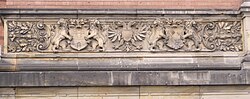
The Political Structure of the Hanseatic Cities
Since the Congress of Vienna in 1815, these cities have been officially designated as the Free and Hanseatic City of Hamburg, the Free Hanseatic City of Bremen, and the Free and Hanseatic City of Lübeck (the latter becoming the Hanseatic City of Lübeck in 1937). Among them, Hamburg stood as one of the oldest and most stringent civic republics.
It is important to note that while these cities were republics, they were not democracies. Instead, they functioned as oligarchies, where power was concentrated within the First Families. In Hamburg, these constitutional privileges were granted as early as 1189 by Holy Roman Emperor Frederick I and remained in place until the German Revolution of 1918–19 and the subsequent Weimar Constitution.
Hanseaten and the Nobility
The relationship between the Hanseaten and the landed nobility was often tense and characterized by mutual suspicion. In many respects, the Hanseaten viewed themselves as equal in rank to the nobility, and frequently regarded rural nobles as inferior to the affluent, urban, and cultivated merchant class of the city republics.
Hamburg was particularly republican in its stance. From the 13th to the 19th century, the nobility were banned from owning property, participating in political life, or even residing within the city walls. This fierce independence meant that many grand burghers abhorred titles and refused to show deference to the Prussian nobility.
This cultural divide was so strong that marriage between a Hanseatic daughter and a nobleman was often discouraged. Even when some families were later ennobled by other German states, such as Prussia, it was often viewed with disdain by their peers. For instance, when the banker Johann von Berenberg-Gossler was ennobled in 1889, his sister Susanne Amsinck lamented the loss of their "good name." Similarly, First Mayor Johann Heinrich Burchard once remarked that while a king could "place" a merchant among the nobles, he could not "elevate" a Hanseatic merchant.
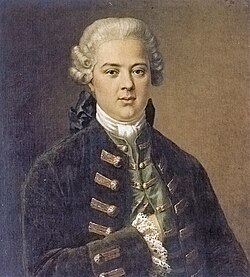
The Tradition of Hanseatic Rejection
A defining characteristic of this class is the hanseatic rejection—the long-standing tradition of refusing medals and honors from foreign powers. This practice reflects a spirit of modesty, equality, and unconditional independence.
The roots of this tradition date back to a 1270 version of the Hamburg constitution, which argued that visible insignia of an order created an unfair distinction between a decorated citizen and their colleagues, contradicting the spirit of the city's constitution. This legacy persists in modern times; figures such as former Chancellor Helmut Schmidt and politician Hans Koschnik refused the Order of the Federal Cross of Merit based on this principle. Notably, Bremen and Hamburg remain the only German federal states that have not created their own orders of merit.
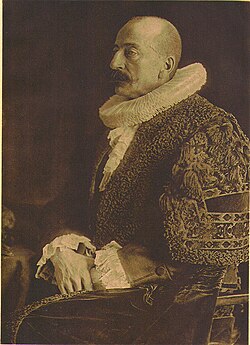
Prominent Hanseatic Families
The influence of the Hanseaten extended into banking, law, arts, and literature. The most famous literary portrayal of this class is found in Thomas Mann's novel Buddenbrooks (1901), which depicted the decline of a Lübeck Hanseatic family and contributed to Mann receiving the Nobel Prize for Literature in 1929.
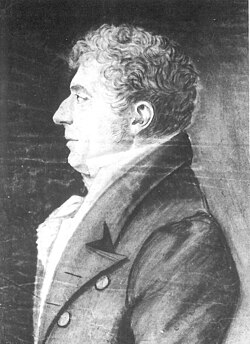
| Family Name | Key Figures | Primary Roles/Contributions |
|---|---|---|
| Berenberg-Gossler | Johann Hinrich Gossler, John von Berenberg-Gossler | Banking and Senate leadership |
| Mann | Thomas Mann, Heinrich Mann | Literature and Senate (Lübeck) |
| Overbeck | Christian Adolph Overbeck | Mayors of Lübeck, Art, and Law |
| Schröder | Christian Matthias Schröder, Carl August Schröder | Mayors of Hamburg and Banking |
| Justus | Friederich Justus | Tobacco industry and Chamber of Commerce |
| Burchard | Johann Heinrich Burchard | Mayors of Hamburg |
Key Facts
- Composition: The Hanseaten were the "First Families" of Hamburg, Bremen, and Lübeck.
- Political Status: They operated as an oligarchy, holding hereditary grand burghership.
- Nobility Relations: They often viewed themselves as superior to landed nobility and banned nobles from Hamburg's political life for centuries.
- Hanseatic Rejection: A cultural refusal to accept foreign medals or honors to maintain civic equality.
- Literary Legacy: The class is immortalized in Thomas Mann's Buddenbrooks.
Frequently Asked Questions
Who exactly were the Hanseaten?
The Hanseaten were the elite ruling families of the free imperial cities of Hamburg, Bremen, and Lübeck. They held hereditary grand burghership and occupied the highest political and religious offices in their respective cities.
Was Hamburg a democracy during the era of the Hanseaten?
No. While Hamburg was a republic, it was an oligarchy. Political power was restricted to a small group of elite families rather than the general population.
What is the "hanseatic rejection"?
It is the tradition of refusing medals, titles, and honors from foreign powers. This practice stems from a belief that such honors create an artificial hierarchy that contradicts the spirit of equality and independence among citizens.
How did the Hanseaten view the landed nobility?
The relationship was often antagonistic. Hanseaten frequently viewed the rural nobility as inferior to their own urban, mercantile, and cultivated lifestyle, and in Hamburg, nobles were legally barred from political participation for centuries.
Which famous author wrote about the Hanseatic class?
Thomas Mann, who came from a Hanseatic family in Lübeck, portrayed the social dynamics and decline of this class in his Nobel Prize-winning novel, Buddenbrooks.