Hampstead: A Guide to London's Historic Village and Cultural Landmarks
Hampstead is a unique enclave in North London, blending a rural atmosphere with a rich history of artistic and intellectual pursuit. Known for its rolling landscapes, remarkable architecture, and a legacy of hosting some of the world's most influential thinkers and artists, it remains one of the city's most desirable and culturally significant neighborhoods.
The Natural Beauty of Hampstead Heath
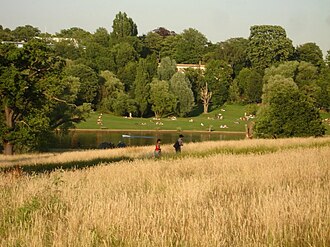
Separating Hampstead from Highgate is Hampstead Heath, London's largest ancient parkland. The Heath is a vital sanctuary for residents and visitors alike, offering a space to "take the air" and escape the urban bustle. One of its most famous features is Parliament Hill, which provides a legally protected view of the London skyline.
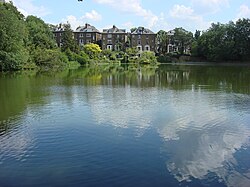
The Heath is also home to three open-air public swimming ponds—dedicated to men, women, and mixed bathing. These ponds originally served as drinking water reservoirs and were the sources of the River Fleet. Visitors may also notice "The Red Arches" (or "The Viaduct"), a bridge built in the 19th century during a failed attempt to develop residential housing on the Heath.
Cultural life on the Heath is vibrant, featuring summer Saturday concerts on the slopes below Kenwood House, the FT Weekend Festival, and various book and poetry readings. The area also supports the Hampstead Scientific Society and the Hampstead Photographic Society.
Architecture and Local Industry
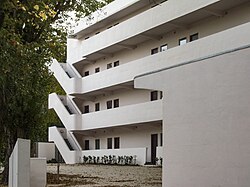
Hampstead is characterized by its striking architecture. A primary example is the Isokon building on Lawn Road, a Grade I listed experiment in collective housing. This modernist landmark was once home to figures such as Agatha Christie, Henry Moore, Ben Nicholson, and Walter Gropius, and has since been restored by the Notting Hill Housing Trust.
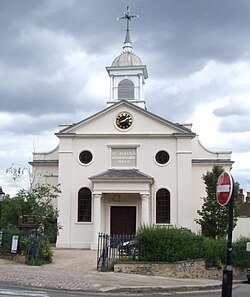
While the Royal Free Hospital on Pond Street is the area's largest employer, Hampstead is also a hub for globally significant small businesses. A notable example is George Martin's AIR recording studios, located in a converted church on Lyndhurst Road. Previously, the area hosted Jim Henson's Creature Shop before its move to California.
Cultural Institutions and Heritage Sites
The neighborhood is densely packed with museums and galleries that reflect its intellectual heritage. From the Freud Museum to the Keats House Museum, the area preserves the legacies of world-renowned figures.
Museums and Art Galleries
- Fenton House: Known for period harpsichord recitals.
- Freud Museum: Located at 20 Maresfield Gardens.
- Burgh House & Hampstead Museum: Situated at New End Square.
- Keats House Museum: Dedicated to the poet John Keats.
- Kenwood House: A stately home on Hampstead Lane.
While many galleries have closed over time, the Catto Gallery has remained since 1986, representing artists such as Ian Berry and Philip Jackson. Other active spaces include Gilden's Art Gallery and Zebra One Gallery.
Religious Sites
Hampstead boasts a diverse array of places of worship, including the Village Shul synagogue and various churches such as Christ Church and St Mary's (Roman Catholic). Of particular architectural note is St Stephen's on Pond Street; originally built in 1869 by Samuel Sanders Teulon, this deconsecrated church received an English Heritage award for its restoration.
Dining, Pubs, and Leisure
Hampstead is famous for its traditional public houses. The Spaniard's Inn is legendary as a former refuge for the highwayman Dick Turpin, while The Holly Bush is noted for its historic gas-lit atmosphere. Other staples include The Old Bull and Bush and The Old White Bear.
The local culinary scene is eclectic, ranging from Thai to French cuisine. Hampstead has often served as a testing ground for successful chains, including Gail's, Giraffe World Kitchen, and Bagel Street. It is also home to popular street food vendors like La Creperie de Hampstead, a favorite among celebrities.
| Category | Notable Site | Key Feature |
|---|---|---|
| Nature | Hampstead Heath | Ancient parkland and swimming ponds |
| Architecture | Isokon Building | Grade I listed collective housing |
| Culture | Kenwood House | Stately home and concert venue |
| Hospitality | The Spaniard's Inn | Historic pub linked to Dick Turpin |
| Healthcare | Royal Free Hospital | Largest local employer |
Hampstead in Cinema and Television
Due to its rural charm, Hampstead is a frequent filming location. The Holly Bush pub appeared as the Marquis of Granby in The Killing of Sister George (1968), and the old Hampstead Town Hall featured in Four Weddings and a Funeral (1994). More recent productions include Notting Hill (1999), which used Kenwood House, and Allied (2016), which filmed at the corner of Christchurch Hill and Willow Road.
The Heath itself has appeared in An American Werewolf in London (1981) and Scenes of a Sexual Nature (2006). Additionally, the West Heath Road is home to the mansion used as Cruella de Vil's residence in the 101 Dalmatians and 102 Dalmatians films. The area continues to be a favorite, with Bridget Jones: Mad About the Boy (2025) utilizing multiple local sites.
Key Facts
- Hampstead Heath is London's largest ancient parkland and features three gender-segregated/mixed swimming ponds.
- Parliament Hill offers a legally protected view of the London skyline.
- The Isokon building is a Grade I listed modernist housing experiment.
- The Royal Free Hospital is the primary employer in the area.
- The Spaniard's Inn is historically associated with the highwayman Dick Turpin.
Frequently Asked Questions
What is the significance of the Isokon building?
The Isokon building is a Grade I listed experiment in collective housing and was once home to influential figures like Walter Gropius, Henry Moore, and Agatha Christie.
What can visitors do at Hampstead Heath?
Visitors can walk the ancient parkland, swim in one of the three public ponds, enjoy the skyline view from Parliament Hill, or attend summer concerts below Kenwood House.
Which famous figures are associated with Hampstead's museums?
The area hosts museums dedicated to Sigmund Freud (Freud Museum) and the poet John Keats (Keats House Museum).
Why is The Spaniard's Inn famous?
The Spaniard's Inn is one of Hampstead's most traditional pubs and is well known as a place where the highwayman Dick Turpin once took refuge.
Has Hampstead been used in any major movies?
Yes, it has appeared in numerous films including Notting Hill, Four Weddings and a Funeral, An American Werewolf in London, and the Dalmatians series.