Westminster Abbey: A Millennium of Royal History and Architecture
Formally known as the Collegiate Church of Saint Peter at Westminster, Westminster Abbey stands as one of the most significant religious and historical landmarks in the United Kingdom. Located in the City of Westminster, London, this Anglican church has served as the stage for the most pivotal moments of the British monarchy for nearly a thousand years.
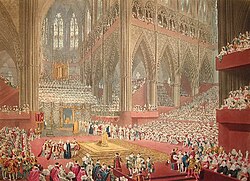
Since 1066, the Abbey has been the site of 40 coronations of English and British monarchs and the final resting place for 18 sovereigns. Beyond its royal duties, it is a sanctuary of art, a gallery of national memory, and a masterpiece of Gothic architecture.
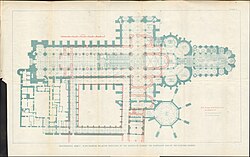
Key Facts
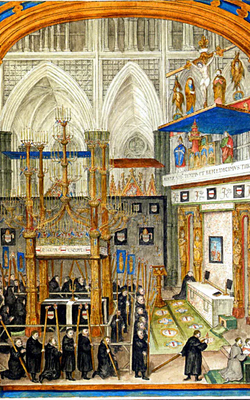
- Founded: Approximately 959 AD.
- UNESCO Status: Designated as a World Heritage Site in 1987.
- Architectural Style: Primarily Gothic, with the present-day church built between 1245 and 1269.
- Royal Significance: Site of 40 coronations and at least 16 royal weddings since 1100.
- Materials: Constructed using Reigate stone, Portland stone, and Purbeck marble.
- Height: The structure reaches a height of 101 feet (31 m).
A History of Power and Faith
From Edward the Confessor to the Gothic Era
The origins of the Abbey date back to the 10th century, but it gained prominence under Edward the Confessor. The current structure is largely the result of a massive rebuilding project initiated by Henry III in 1245, which aimed to create a magnificent Gothic church. This era saw the completion of the north transept in the 13th century and the eventual completion of the nave's west end in 1495, designed by Henry Yevele.
Reformation and Evolution
The Abbey transitioned from a Roman Catholic monastery to a collegiate church during the English Reformation. Over the subsequent centuries, it evolved into a national shrine, incorporating memorials to not only royalty but also the greatest thinkers, scientists, and poets of the British Isles.
Architectural Masterpieces
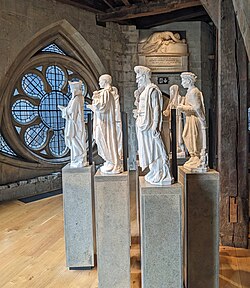
The Exterior and Cloisters
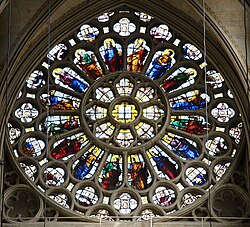
The Abbey is renowned for its flying buttresses—external supports that allow for higher walls and larger windows—and its intricate facades. The grounds include the Great Cloisters and the Little Cloister, areas once used by monks for private study and reflection.
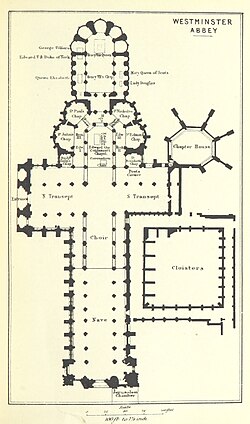
The Interior and Special Chambers
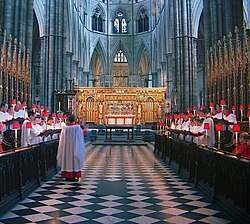
Inside, the nave is characterized by its impressive height relative to its narrow width, leading the eye up toward the lantern roof over the crossing. One of the most ancient features is the Pyx Door in the undercroft of the chapter house, widely considered the oldest door in Britain.
The Henry VII Chapel is another architectural highlight, showcasing the transition of late Gothic style into the Tudor era.
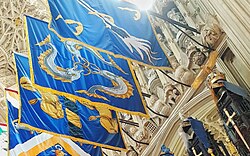
The Cosmati Pavement
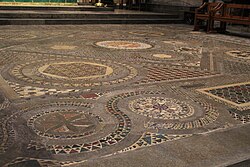
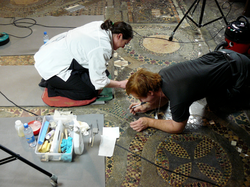
One of the Abbey's most prized treasures is the Cosmati pavement, an intricate mosaic floor made of geometric stone and glass. This masterpiece has undergone extensive restoration to preserve its complex patterns for future generations.
Royal Ceremonies and National Memory
Coronations and the Stone of Scone
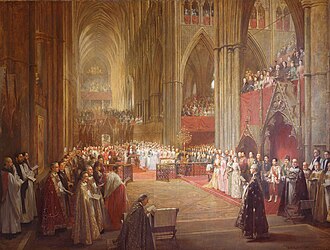
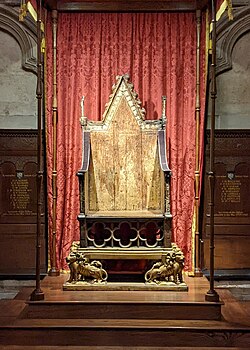
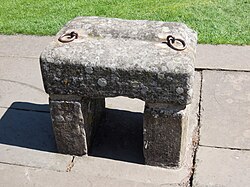
The coronation ceremony is the Abbey's most famous function. Central to this is the Coronation Chair, which features a slot designed to hold the Stone of Scone (also known as the Stone of Destiny), a symbol of Scottish monarchy.
Royal Weddings and Funerals
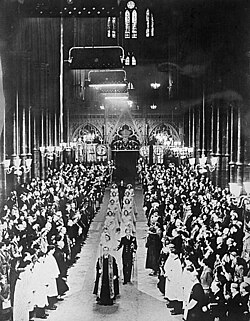
The Abbey has hosted numerous royal unions, from the wedding of Henry I and Matilda of Scotland in 1100 to the marriage of Prince William and Catherine Middleton in 2011. It has also served as the site for many royal funerals, including that of Edward the Confessor in 1066 and the funeral service of Queen Elizabeth II.
Burials and Poets' Corner
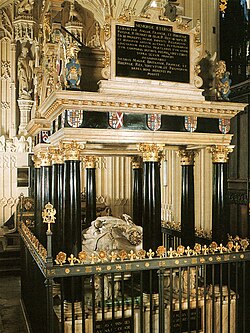
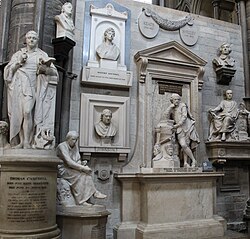
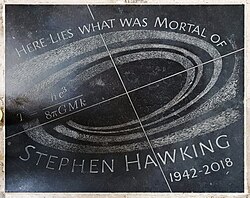
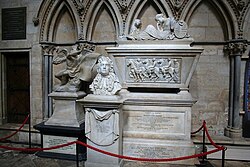
The Abbey is a vast necropolis. While it houses the tombs of monarchs like Elizabeth I and Mary I, it also contains Poets' Corner, where memorials to literary giants such as William Shakespeare are located. In more recent times, the nave has become a place of honor for figures like the scientist Stephen Hawking.
Summary of Westminster Abbey
| Feature | Detail |
|---|---|
| Official Name | Collegiate Church of Saint Peter at Westminster |
| Denomination | Church of England (Anglo-Catholic) |
| UNESCO Designation | World Heritage Site (1987) |
| Key Materials | Reigate stone, Portland stone, Purbeck marble |
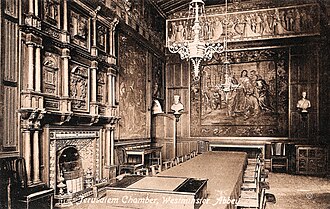
| Notable Areas | Poets' Corner, Henry VII Chapel, Jerusalem Chamber |
Frequently Asked Questions
What is the significance of the Coronation Chair?
The Coronation Chair is the seat used by British monarchs during their coronation. It is historically significant for its association with the Stone of Scone, which is placed beneath the seat during the ceremony.
What is Poets' Corner?
Poets' Corner is a specific area within the Abbey dedicated to memorials and burials of famous writers, poets, and playwrights, including William Shakespeare.
Is Westminster Abbey a cathedral?
No, it is a collegiate church, meaning it is governed by a college of canons (the Dean and Chapter) rather than being the seat of a bishop.
What is the Cosmati pavement?
The Cosmati pavement is a medieval mosaic floor located near the high altar, created using a technique of inlaying small pieces of colored stone and glass into geometric patterns.
Who is buried at Westminster Abbey?
The Abbey houses the remains of 18 monarchs, as well as numerous historical figures, including scientists like Stephen Hawking and various literary figures in Poets' Corner.