Haiti 2010 Earthquake: Global Humanitarian Response and Aid Distribution
The catastrophic earthquake that struck Haiti in 2010 triggered one of the most extensive international relief efforts in modern history. National governments from every inhabited continent pledged humanitarian aid to support the Haitian people in the wake of unprecedented destruction. To manage this massive influx of support, the United Nations Office for the Coordination of Humanitarian Affairs (OCHA) and ReliefWeb took the lead in coordinating and tracking the global response.
While the initial wave of generosity was immense, the transition from pledges to actual delivery revealed significant gaps in the international aid pipeline. The response involved a complex mix of financial grants, personnel deployment, and material supplies, often routed through various diplomatic and non-governmental channels.
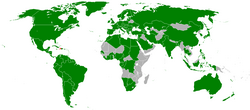
Key Facts
- Funding Gap: Six months after the quake, less than 10% of the money pledged to the UN special fund had been received.
- Limited Contributors: Only 20 countries actually delivered funds to the UN special fund by July 20, 2010.
- Total Earmarks: By 2015, the UN reported US$13.34 billion earmarked for Haiti through 2020.
- Deployment Delay: Less than half of the earmarked funds were deployed in the first two years following the disaster.
- U.S. Aid Distribution: Less than 1% of U.S. aid went directly to the Haitian government.
The Mechanics of International Aid
The global response was categorized by different types of assistance. While many nations pledged financial support, others provided in-kind aid, which includes the delivery of physical supplies and the deployment of specialized personnel, such as medical teams and search-and-rescue experts.
A significant portion of the aid was sent outside of United Nations channels, making comprehensive tracking a challenge for OCHA. High-level diplomatic coordination was evident in meetings between world leaders to synchronize the humanitarian response.
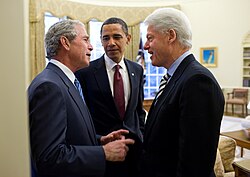
Regional Contributions
The response spanned the globe, with diverse contributions from various regions:
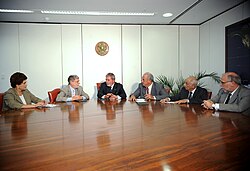
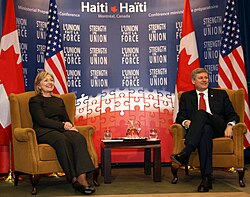
- The Americas: North American nations, including the U.S. and Canada, provided massive logistical and financial support. South American nations, notably Brazil, convened emergency meetings to coordinate relief.
- Europe: Numerous European nations provided funds, with some regional administrations in Italy also contributing.
- Asia and Oceania: Countries such as China, India, and South Korea provided financial aid, medical teams, and troops.
- Africa and Middle East: Nations including Algeria, Saudi Arabia, and various African states pledged millions in aid and sent emergency shipments.
Analysis of U.S. Aid Allocation
The United States provided a substantial portion of the relief, but the allocation of these funds was heavily weighted toward operational and military logistics rather than direct government support. The breakdown of U.S. assistance reveals a focus on immediate disaster management and security.
| Category | Percentage of Aid |
|---|---|
| Direct Disaster Assistance | 42% |
| U.S. Military Aid | 33% |
| Food Supplies | 9% |
| Food Transportation | 9% |
| Payment to Haitian Recovery Workers | 5% |
| Direct Aid to Haitian Government | < 1% |
This distribution highlights the reliance on military infrastructure to manage the logistics of a disaster zone where local government capacity had been severely compromised.
Fundraising and Non-Governmental Efforts
Beyond government action, the private sector and celebrity-led initiatives played a major role in fundraising. Notable funds and campaigns included the Clinton Bush Haiti Fund, Hope for Haiti Now, and Young Artists for Haiti, among others. These organizations worked alongside non-governmental organizations (NGOs) and for-profit entities to provide a secondary layer of support to the affected populations.
Frequently Asked Questions
Which countries actually paid into the UN special fund?
As of July 20, 2010, only 20 countries had sent money to the fund: Australia, Brazil, Canada, China, Denmark, Estonia, Finland, France, Germany, Ireland, Italy, Netherlands, New Zealand, Norway, South Africa, Spain, Sweden, Switzerland, United Kingdom, and the United States.
How much total funding was earmarked for Haiti?
The United Nations reported in 2015 that US$13.34 billion had been earmarked for Haiti for the period leading up to 2020.
Why was so little money received by the UN fund initially?
While many governments pledged money, less than one-tenth was received within the first six months. This was partly because some nations sent supplies or personnel instead of cash, or routed their financial contributions through channels other than the UN.
How was U.S. aid primarily spent?
The majority of U.S. aid was spent on direct disaster assistance (42%) and military aid (33%), with very little (less than 1%) going directly to the Haitian government.
Who coordinated the international response?
The United Nations Office for the Coordination of Humanitarian Affairs (OCHA) and ReliefWeb were responsible for coordinating and tracking the aid sent by national governments.