Typhoon Haiyan: The Devastation of a Category 5 Super Typhoon
In November 2013, the world witnessed one of the most powerful tropical cyclones ever recorded. Known as Typhoon Haiyan (and locally in the Philippines as Typhoon Yolanda), this storm became a benchmark for meteorological intensity and humanitarian crisis. From its formation in the Pacific to its destructive path across Southeast Asia, Haiyan left a trail of unprecedented loss and a lasting impact on disaster management.
The storm was characterized by its extreme wind speeds and a catastrophic storm surge—a coastal flood caused by the storm's low pressure and high winds pushing seawater inland—which obliterated entire coastal communities.
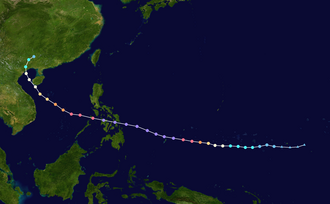
Key Facts
- Peak Intensity: 1-minute sustained winds of 315 km/h (195 mph).
- Lowest Pressure: 895 hPa (mbar).
- Total Fatalities: 6,352 people.
- Economic Impact: Over $2.99 billion (2013 USD), making it the costliest storm in Philippine history.
- Primary Affected Areas: Philippines, Vietnam, China, Taiwan, Guam, and the Caroline Islands.
Meteorological History
Typhoon Haiyan formed on November 3, 2013, and rapidly intensified as it moved across the Pacific. By the time it approached the Philippines on November 7, it had reached Category 5-equivalent super typhoon status. According to the Japan Meteorological Agency (JMA), it maintained 10-minute sustained winds of 230 km/h, while the Joint Typhoon Warning Center (JTWC) recorded 1-minute sustained winds of 315 km/h.
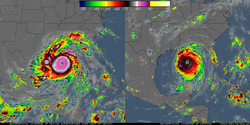
The storm's sheer scale was evident when compared to other historic cyclones. Its intensity remained high as it traversed the archipelago, eventually dissipating on November 11, 2013, after passing through Southern China and Vietnam.
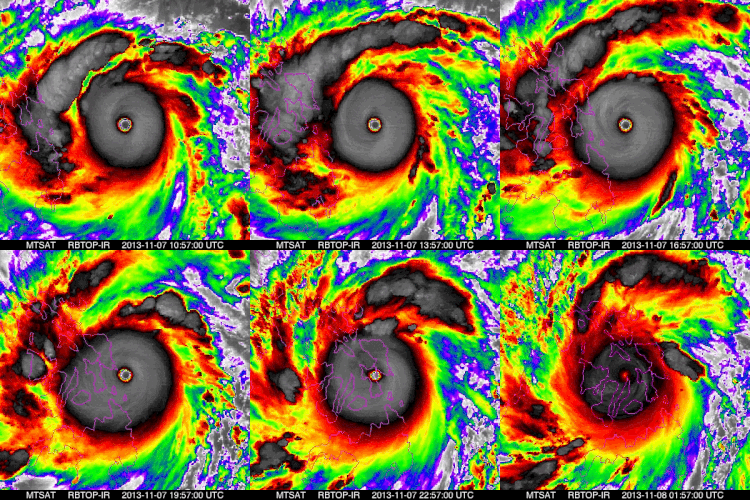
Impact on the Philippines
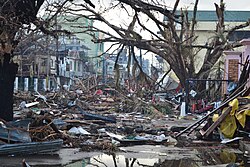
The Philippines bore the brunt of the storm's fury. The typhoon made its first landfall in Guiuan, Eastern Samar, before tearing through the Visayas region. The city of Tacloban was particularly devastated, as it was struck by the northern eyewall—the most violent part of the storm.
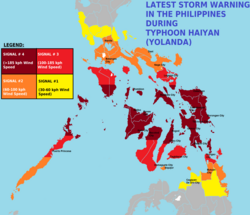
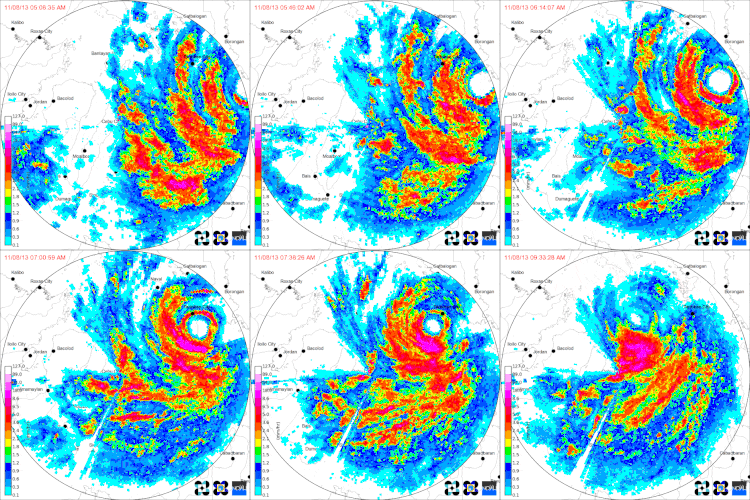
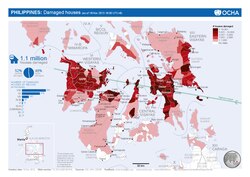
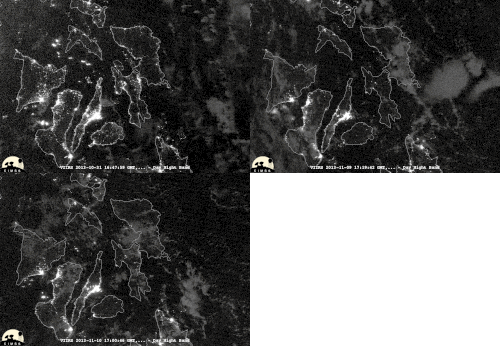
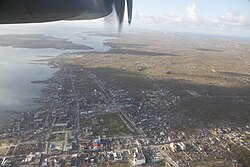
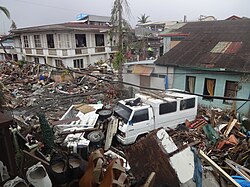
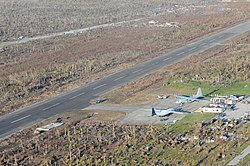
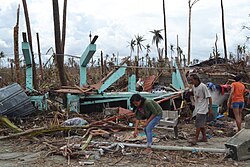
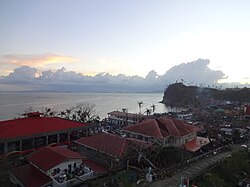
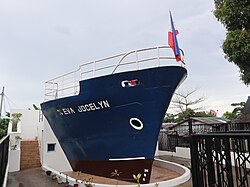
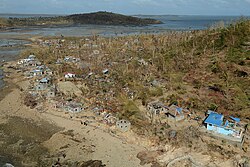
The resulting destruction was comprehensive. In towns like Basey, Samar, storm surges claimed more than 300 lives. The environmental toll was equally severe, with vast tracts of coconut trees leveled and infrastructure completely erased.
Human Toll and Casualties
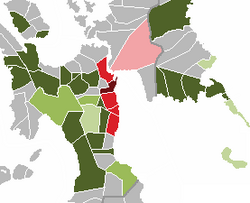
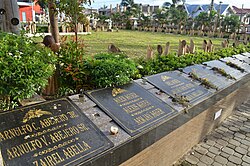
The human cost was staggering. In the Philippines alone, approximately 6,300 people died and over 1,000 went missing. The scale of the tragedy necessitated the use of mass graves, such as those established within the Palo Cathedral grounds.
Regional Effects and Global Response
While the Philippines suffered the most, Haiyan's path extended further. Vietnam reported 14 deaths, Mainland China 30, and Taiwan 8. The storm is ranked as the 9th deadliest typhoon in the history of the region.
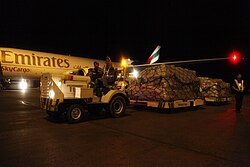
The international community responded with a massive humanitarian effort. The United Kingdom provided the largest cash donation at $131 million, followed by the United States at $86.7 million and Japan at $52 million. Military assets, including U.S. Marines and the UK's HMS Daring and HMS Illustrious, were deployed to assist in search, rescue, and supply delivery.
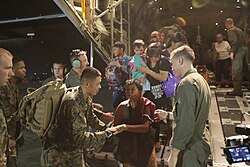
Despite the aid, the response faced criticism regarding the speed of government delivery and reports of looting and lawlessness in the immediate aftermath of the disaster.
Summary of Impact and Aid
| Category | Details / Value |
|---|---|
| Total Deaths | 6,352 |
| Total Missing | 1,071 |
| Total Injuries | 28,781 |
| Financial Damage | >$2.99 Billion (USD) |
| Top Donor (Cash) | United Kingdom ($131 Million) |
| Most Affected City | Tacloban, Philippines |
Frequently Asked Questions
What made Typhoon Haiyan so destructive?
The combination of extreme wind speeds (up to 315 km/h) and a massive storm surge caused the majority of the destruction and fatalities, particularly in coastal cities like Tacloban.
How does Haiyan rank among other Philippine typhoons?
It is the costliest typhoon in Philippine history, with damages totaling ₱95.5 billion ($2.15 billion). In terms of fatalities, it is one of the deadliest, ranking second only to Typhoon Thelma (Uring) in some records.
Which countries provided the most aid?
The United Kingdom, United States, Japan, and Norway were among the largest contributors of financial and material aid to the relief efforts.
Did Typhoon Haiyan affect countries other than the Philippines?
Yes, the storm also impacted Guam, the Caroline Islands, Taiwan, Southern China, and Vietnam, causing deaths and property damage in each of these regions.
What was the lowest pressure recorded during the storm?
The lowest central pressure recorded for Typhoon Haiyan was 895 hPa (mbar).