Understanding Humanitarian Aid: Saving Lives and Maintaining Dignity
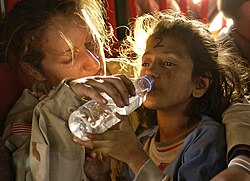
In times of extreme crisis, the global community often responds with humanitarian aid—the provision of material and logistical assistance to people in urgent need. Whether facing the aftermath of a natural disaster, the devastation of war, or the slow onset of famine, humanitarian efforts aim to achieve three primary objectives: to save lives, alleviate suffering, and maintain human dignity.
While the terms are often used interchangeably, it is important to distinguish between humanitarian aid and humanitarian assistance. Aid typically refers to immediate, short-term relief such as food, water, shelter, and medical care. Assistance is a broader concept that includes longer-term support for recovery, rehabilitation, and capacity building. Both are distinct from development aid, which focuses on addressing the underlying socioeconomic factors that cause vulnerability in the first place.
Key Facts
- 2024 Global Need: Nearly 300 million people require humanitarian assistance and protection.
- Funding Requirements: The estimated global response requirement for 2024 is approximately US$46.4 billion.
- Primary Drivers: Conflict, climate-related disasters, and economic factors are the leading causes of humanitarian needs.
- Funding Distribution: In 2024, 59% of direct financing went to UN agencies, while only 2% went to international NGOs.
- Local Impact: Only 9.5% of humanitarian funding reaches local or national actors directly or indirectly.
The Scale of Global Need
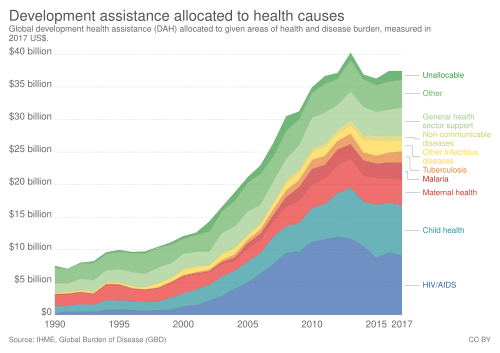
The demand for humanitarian intervention is vast and growing. According to the OCHA Global Humanitarian Overview, approximately 1 out of every 27 people worldwide requires assistance in 2024. The scale of this challenge is reflected in the massive financial requirements needed to target the 188 million most vulnerable people across 69 different countries.
Recent history shows how rapidly these needs can escalate. During the COVID-19 pandemic in 2019, roughly 216 million individuals required aid. By the end of 2020, that number surged to 235 million—representing 1 in 33 people globally—marking an 85% increase in humanitarian aid compared to the previous year.
Types of Humanitarian Aid
Humanitarian efforts are categorized by the specific type of relief being provided:
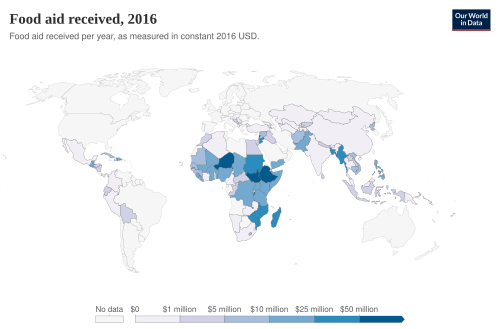
- Food Aid: Essential nutrition provided to combat hunger and famine.
- Medical Aid: Provision of healthcare, medicine, and emergency medical services.
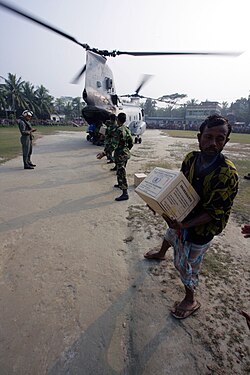
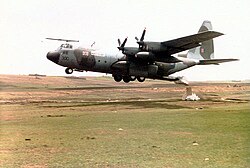
- Logistical Support: The movement of goods and people to crisis zones.
Challenges and Limitations in Aid Delivery
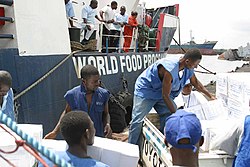
Delivering aid is rarely a straightforward process. Organizations face significant hurdles, ranging from logistical complexities to ethical dilemmas and security risks.
The Risk of Conflict Distortion
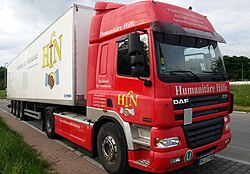
One of the most significant unintended consequences of aid is its potential to fuel conflict. In many regions, food aid must be transported across vast territories where central government control is limited. This makes aid shipments prime targets for armed forces. For example, in Somalia during the early 1990s, reports indicated that between 20% and 80% of food aid was stolen or confiscated. Similarly, in the former Yugoslavia, the UNHCR lost up to 30% of aid value to armed forces, while additional bribes were often required to bypass roadblocks.
Corruption and Abuse of Power
The humanitarian sector must constantly battle waste, corruption, and the potential for abuse of power by aid workers. To combat these issues, there is a continuous push to invest in audit capacities that go beyond simple paper trails to ensure resources reach those truly in need.
Barriers to Access
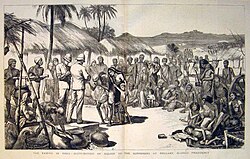
Humanitarian access—the ability to reach people in need—is often blocked by political actors. The prevention of relief aid has been widely condemned by the international community, such as the restrictions placed on the population of Tigray during the 1980s and again during the 2020–2021 Tigray War.
The Humanitarian Workforce

The global humanitarian system relies on a massive network of professionals. As of 2008, the total number of humanitarian aid workers was calculated at 210,800. This workforce is composed of:
- 50% from Non-Governmental Organizations (NGOs)
- 25% from the Red Cross/Red Crescent Movement
- 25% from the United Nations system
The field is expanding; in 2010, it was reported that the humanitarian fieldworker population had been increasing by approximately 6% annually over the preceding decade.

Standards and History
To ensure quality and accountability, the sector adheres to specific frameworks. The Core Humanitarian Standard (CHS) and the Sphere Project provide guidelines to ensure that the right to life with dignity is respected and that the distinction between combatants and non-combatants is maintained.

Historical Origins
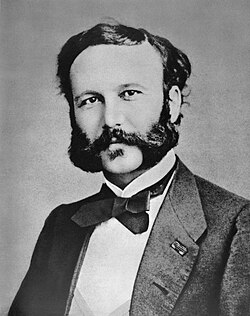
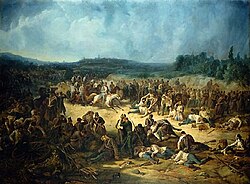
The modern humanitarian movement has deep historical roots, evolving from the 19th century to the present day. Much of the foundation was laid following the horrors of the Battle of Solferino, which led to the creation of the International Committee of the Red Cross and the original Geneva Conventions.


Summary of Humanitarian Funding (2024 Estimates)
| Recipient Type | Percentage of Funding |
|---|---|
| UN Agencies | 59% |
| International NGOs | 21% |
| Red Cross and Red Crescent | 7% |
| Local or National NGOs | 2% |
Frequently Asked Questions
What is the difference between humanitarian aid and development aid?
Humanitarian aid is short-term, emergency relief designed to save lives during a crisis. Development aid is long-term and focuses on addressing the underlying socioeconomic factors to prevent future crises.
Why is so little funding going directly to local NGOs?
While local and national actors are essential, only about 9.5% of funding reaches them directly or indirectly. Most funding is channeled through large UN agencies and international NGOs, which then act as implementing partners for local organizations.
How does food aid sometimes increase conflict?
Food aid can become a target for theft and looting by armed groups. When aid is stolen or used to feed combatants, it can inadvertently prolong or fuel violent conflicts.
What are the main drivers of humanitarian needs today?
The three primary drivers of humanitarian needs worldwide are ongoing conflicts, climate-related disasters, and economic factors.
What is the principle of non-refoulement?
Non-refoulement is a fundamental humanitarian principle that prohibits the return of refugees or asylum seekers to a country where they would face serious threats to their life or freedom.