Gumbo: The Soul and History of Louisiana's Official State Cuisine
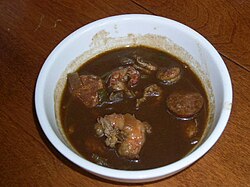
Gumbo is more than just a meal; it is a culinary symbol of the American Gulf Coast and the official state cuisine of Louisiana. This rich, hearty stew is a tapestry of flavors that reflects the diverse cultural heritage of the region, blending influences from Central and West Africa, France, Spain, Germany, and Native American Choctaw traditions.
At its core, gumbo consists of a strongly flavored stock, a protein—typically meat, shellfish, or a combination of both—and a thickener. Every authentic pot begins with the "holy trinity": a aromatic base of celery, bell peppers, and onions.
Key Facts
- Official Status: Gumbo is the official state cuisine of Louisiana.
- The Holy Trinity: The essential aromatic base consisting of celery, onions, and bell peppers.
- Thickeners: Traditionally thickened using roux, okra, or filé powder.
- Cultural Roots: A fusion of African, French, Spanish, German, and Native American influences.
- Regional Styles: Primarily divided into Cajun (southwestern Louisiana) and Creole (New Orleans/southeastern Louisiana) varieties.
The Art of Thickening Gumbo
The texture and depth of a gumbo are defined by its thickener. While many recipes use a combination, the choice of thickener often categorizes the dish.
Roux
Roux is the most popular thickener, created by cooking equal parts flour and fat. While hog lard was traditionally used, butter has become more common since the mid-20th century. The flavor is determined by the cooking time: a light roux provides more thickening power, while a very dark roux—cooked until just a few shades from burning—offers a thinner consistency but a much more intense, nutty flavor.
Okra
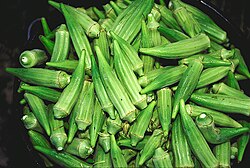
Okra is a vegetable introduced to Louisiana via the slave trade from West Africa. It acts as a natural thickener and provides a distinct texture to the stew.
Filé Powder
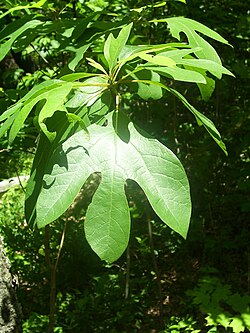
Filé powder is made from dried and ground sassafras leaves, a contribution from the Native American Choctaw people. Unlike roux or okra, filé is often added at the very end of the cooking process.
Cajun vs. Creole Gumbo
While both styles are beloved, they reflect the different histories of the people who created them.
Cajun Gumbo
Common in southwestern Louisiana, Cajun gumbo is the legacy of the Acadian settlers expelled from Canada in the 18th century. It is typically characterized by a dark roux and the use of fowl (chicken or duck) and sausage. In this style, the meat is often left on the bone, and the vegetables of the holy trinity remain in the pot. It is frequently garnished with green onions and parsley.
Creole Gumbo
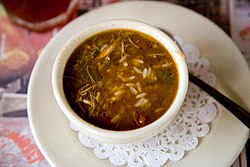
Associated with New Orleans and southeastern Louisiana, Creole gumbo reflects the heritage of the Louisiana Creole people—descendants of French, Spanish, and enslaved Africans. This version more frequently features seafood and tomatoes. Historically, celery was less common in Creole recipes until the latter half of the 20th century.
A Multicultural History
Gumbo serves as a metaphor for the "melting pot" of southern Louisiana. Its evolution began in the early 18th century as various immigrant and enslaved groups lived in close proximity, exchanging ingredients and techniques.
- French & Spanish: Brought the concept of stews (like bouillabaisse) and the use of onions and bell peppers.
- West Africans: Introduced okra and the practice of using it as a soup base.
- Germans: Settled near New Orleans in 1721 and introduced the art of making sausage.
- Canary Islanders: Spanish settlers who brought a love for seasoned food and cayenne pepper, as well as a steady supply of shrimp, crab, and oysters.
- Choctaw: Provided indigenous knowledge of edible plants and the use of filé powder.
The dish gained national prominence in the 1970s when the U.S. Senate dining room added it to the menu in honor of Senator Allen Ellender, and further surged in popularity during the 1980s thanks to chef Paul Prudhomme.
Preparation and Tradition
Preparing a proper gumbo is a slow process, typically simmering for at least three hours and sometimes all day. Meats are browned first, followed by the roux and okra. Seafood is added last because it cooks quickly.
In Louisiana, gumbo is a social event. It is a staple at fais do-do (dance parties) and casual family gatherings. Some towns have even embraced the dish as a point of civic pride; Bridge City, Louisiana, calls itself the "Gumbo Capital of the World" and hosts an annual festival featuring massive cast-iron pots.
| Feature | Cajun Gumbo | Creole Gumbo |
|---|---|---|
| Primary Region | Southwestern Louisiana | New Orleans / Southeastern LA |
| Common Proteins | Chicken, Duck, Sausage | Seafood, Shrimp, Crab |
| Key Ingredients | Dark Roux, Holy Trinity | Tomatoes, Roux, Holy Trinity |
| Cultural Influence | Acadian (French-Canadian) | French, Spanish, African |
Frequently Asked Questions
What is the "holy trinity" in gumbo?
The holy trinity is the foundational aromatic base of the dish, consisting of equal parts celery, bell peppers, and onions.
What is the difference between okra and filé powder?
Okra is a green vegetable used as a thickener during the cooking process, while filé powder is made from ground sassafras leaves and is typically stirred in at the end of cooking.
How does the color of the roux affect the gumbo?
A lighter roux provides more thickening power, whereas a darker roux results in a thinner sauce with a more intense, toasted flavor.
Is gumbo always served with rice?
While rice is the most common accompaniment today, historical records show that some Cajuns previously served gumbo over corn grits when rice was a luxury.
What is Gumbo z'herbes?
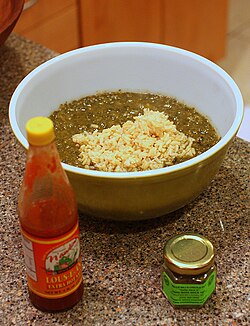
Gumbo z'herbes is a variation of the stew that emphasizes the use of greens, often served with filé powder and hot sauce.