Yaka Mein: The Unique Fusion Beef Noodle Soup of the American South
In the vibrant culinary landscape of New Orleans, few dishes capture the city's spirit of fusion quite like yaka mein (also known as yat gaw mein). This hearty beef noodle soup is a staple in many Creole restaurants and a beloved local secret, blending Chinese influences with the bold flavors of the coastal South and Mid-Atlantic.
At its core, yaka mein consists of tender stewed beef—typically brisket—simmered in a rich beef-based broth. This savory mixture is served over noodles and traditionally garnished with a hard-boiled egg and chopped green onions. To add a local kick, many cooks incorporate Cajun or Creole seasonings and chili powder into the broth.
Key Facts
- Origin: Likely rooted in New Orleans' historic Chinatown, with variations across port cities in the South and Mid-Atlantic.
- Primary Ingredients: Stewed beef brisket, beef broth, noodles (spaghetti or wheat), hard-boiled egg, and green onions.
- Local Nicknames: Known as "Old Sober" in New Orleans and "box of yock" in Norfolk, Virginia.
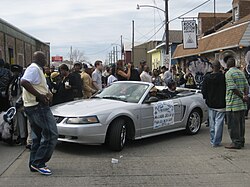
- Cultural Significance: Often served at New Orleans second lines and the Jazz & Heritage Festival.
- Etymology: Possibly derived from the Cantonese phrase jat1 go3 min6, meaning "one order of noodles."
Regional Variations and Cultural Influence
While yaka mein is deeply associated with New Orleans, it has evolved into several distinct regional styles across the United States.
The New Orleans Style
In Louisiana, the dish is frequently called "Old Sober" because locals often use it as a remedy for hangovers. It is a common sight at cultural events, including the Oak Street Po’Boy Fest and the Ogden Museum of Southern Art. Some modern variations in New Orleans are influenced by the city's large Vietnamese population, resulting in a dish that resembles pho (a Vietnamese noodle soup) but with a different flavor profile and stronger tastes.
The Mid-Atlantic Variations
As the dish spread to other port cities, it adapted to local tastes:
- Baltimore, Maryland: Known as "dirty yak" or yat gaw mein, this version often replaces beef with local shellfish like shrimp, crayfish, or blue crab. It uses udon noodles and a thicker, richer gravy.
- Norfolk, Virginia: Here, the dish is called a "box of yock" and is traditionally served in takeout pails.
- Cambridge, Maryland: The "yock" found here differs significantly, using tomato sauce and hot sauce, and likely lacks a direct link to Chinese immigration.
- Pennsylvania: In cities like Philadelphia and Pittsburgh, some versions feature thick wheat noodles in a brown gravy or ketchup-based sauce, sometimes including roast pork (char siu), chicken, seafood, or even pigs' feet.
Origins and History
The exact origins of yaka mein are debated, but several theories exist. The late chef Leah Chase suggested the dish began in New Orleans' now-extinct Chinatown, established by Chinese immigrants who arrived from California in the mid-19th century to work on sugar plantations and railroads. Documentation shows "Ya-Ca-Mein" on New Orleans menus as early as 1945, though it may have appeared earlier; the 1935 film Whipsaw features a character ordering the dish from a Chinese restaurant in New Orleans.
The spread of the dish to cities like Baltimore and Philadelphia may be due to similar patterns of Chinese immigration in port cities or the movement of African Americans from Louisiana during the Great Migration. Interestingly, a version called "yet-ca mein" was mentioned in a 1927 issue of Maclean's magazine in Canada, indicating the dish's presence in North America by the 1920s.
| Region | Common Name | Primary Protein | Noodle/Base Type |
|---|---|---|---|
| New Orleans | Yaka Mein / Old Sober | Beef Brisket | Spaghetti / Beef Broth |
| Baltimore | Dirty Yak / Yat Gaw Mein | Shrimp, Crab, or Crayfish | Udon / Thick Gravy |
| Norfolk | Box of Yock | Various | Takeout pail style |
| Cambridge, MD | Yock | Meat | Spaghetti / Tomato Sauce |
Frequently Asked Questions
What does the name "Yaka Mein" mean?
It is believed to come from the Cantonese phrase jat1 go3 min6, which translates to "one order of noodles," a term typically used by waitstaff when communicating with the kitchen.
Why is it called "Old Sober" in New Orleans?
It earned this nickname because it is commonly recommended by locals as an effective cure for hangovers.
Is yaka mein the same as pho?
No, but some New Orleans variations are influenced by Vietnamese cuisine and resemble pho in appearance, though they maintain different flavor palettes and stronger tastes.
Where can I find yaka mein today?
It is most common in Creole restaurants in New Orleans and carry-out restaurants in Baltimore, Norfolk, Philadelphia, and Pittsburgh.
What are the traditional toppings for yaka mein?
The most traditional garnishes are a half of a hard-boiled egg and chopped green onions.