Louisiana Creole Cuisine: A Fusion of Global Flavors
Louisiana Creole cuisine is a sophisticated culinary tradition that mirrors the complex history of the American South. Originating in Louisiana, this style of cooking is a vibrant blend of West African, French, Spanish, and Native American influences, further shaped by the general culinary trends of the Southern United States.
The term "Creole" originally described the population of French colonial Louisiana, consisting of descendants of the French and Spanish. Over time, this identity expanded to include Acadians, Germans, Caribbeans, and native-born slaves of African descent, as well as those of mixed racial ancestry. This melting pot of people created a unique gastronomic language that defines the region to this day.
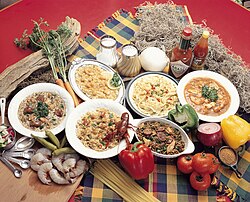
Key Facts
- Cultural Roots: A blend of French, Spanish, West African, Native American, Caribbean, and German influences.
- The Holy Trinity: The foundational aromatic base consisting of bell pepper, onion, and celery.
- City vs. Country: Creole food is traditionally viewed as "city food" (New Orleans), while Cajun food is seen as simpler "country food."
- The Roux: A critical mixture of fat and flour used as a thickener, varying from light to dark chocolate colors.
- Sugar History: Louisiana once accounted for approximately 90% of all national sugar production in the antebellum era.
The History and Legacy of the Creole Kitchen
Much of what we know about traditional Creole cooking was preserved through early documentation. The Picayune Creole Cook Book, published in 1900, is regarded as an authentic account of the Creole kitchen. Compiled from the recipes of "old Creole mammies," the book was released during a period when many African Americans were moving North, sparking fears that the secrets of the Louisiana kitchen would be lost.
While both Creole and Cajun cuisines share French roots and adapt to local resources, they differ in style. Creole cuisine is often more elaborate, reflecting the urban influence of New Orleans, whereas Cajun cuisine remains more rustic.
Essential Ingredients and Seasonings
The heart of Creole flavor lies in its specific ingredients and the way they are combined. The most famous of these is the Holy Trinity—a combination of bell pepper, onion, and celery used as the starting point for many dishes.
Staple Ingredients
- Grains: Rice (long, medium, or short grain), corn, and wheat.
- Vegetables: Okra, mirlitons (chayotes), collard greens, and various peppers including Tabasco and cayenne.
- Proteins: A vast array of seafood (crawfish, shrimp, oysters, redfish, and pompano) and meats (andouille sausage, wild boar, and game birds like duck and quail).
- Unique Game: Alligator, frog, and turtle are traditional additions to the Creole menu.
The Art of the Roux
A roux—a mixture of equal parts fat and flour cooked together—is the backbone of many Creole sauces and soups. The color of the roux determines the flavor profile:
- Medium Roux: The color of a copper penny or peanut butter; versatile and common in New Orleans.
- Dark Roux: The color of milk chocolate with a dense, nutty flavor; ideal for hearty gumbos featuring sausage or alligator.
Classic Creole Dishes
From elegant appetizers to hearty stews, Creole cuisine offers a wide spectrum of flavors.
Soups and Main Courses
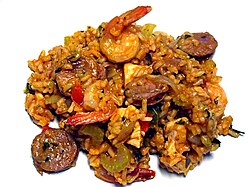
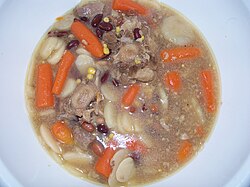
Gumbo is the quintessential Louisiana stew. Derived from the West African word for okra (gombo), it is thickened either with okra or filé (ground sassafras leaves, a technique borrowed from the Choctaw Indians). Jambalaya is another staple, featuring rice, meat or seafood, and the Holy Trinity.
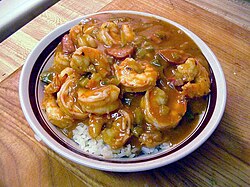
Other notable mains include Shrimp Creole—a tomato-based dish reflecting French and Spanish heritage—and Rice and Gravy, which typically uses slow-cooked, cheaper cuts of meat to create a rich brown sauce.
Appetizers, Breakfast, and Desserts
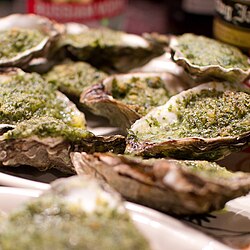
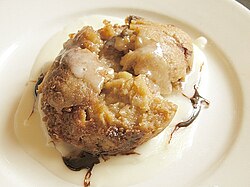
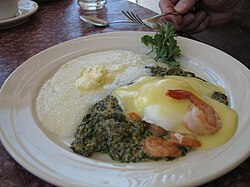
Appetizers often highlight the Gulf's bounty, such as Oysters Rockefeller and shrimp remoulade. Breakfast favorites include Eggs Sardou and beignets. For dessert, the region is famous for Bananas Foster, king cake, and pralines, often sweetened with local cane syrup.
Cooking Methods and Culinary Events
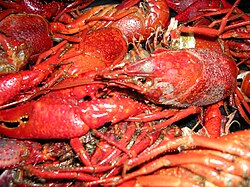
Creole cooking employs a variety of techniques to maximize flavor, including smothering (slow-cooking meat or vegetables in a small amount of liquid) and boiling. The crawfish boil is more than just a meal; it is a celebratory social event where crawfish, corn, and potatoes are boiled in heavily seasoned water and served on newspaper-covered tables.
Summary of Creole Culinary Elements
| Category | Key Examples / Components |
|---|---|
| Core Aromatics | The Holy Trinity (Onion, Celery, Bell Pepper) |
| Thickeners | Roux (Butter/Oil & Flour), Okra, Filé powder |
| Signature Dishes | Gumbo, Jambalaya, Shrimp Creole, Étouffée |
| Common Proteins | Crawfish, Shrimp, Andouille, Alligator, Redfish |
| Famous Desserts | Beignets, Bananas Foster, King Cake, Pralines |
Frequently Asked Questions
What is the difference between Creole and Cajun food?
While both share French influences, Creole cuisine is generally considered "city food" from New Orleans, incorporating more diverse global influences and often using butter in its roux. Cajun food is viewed as "country food," typically simpler and more rustic.
What is the "Holy Trinity" in Creole cooking?
The Holy Trinity is a foundational flavor base consisting of sautéed onions, bell peppers, and celery. It is used in a vast majority of Creole dishes, including gumbo and jambalaya.
What is filé powder?
Filé is a seasoning and thickening agent made from dried and ground sassafras leaves. It was adopted from the Choctaw Indians and is frequently used in gumbos that do not contain okra.
How is a roux used in Louisiana cooking?
A roux is a mixture of fat and flour cooked together to thicken soups and sauces. In Creole cooking, it can range from a light color to a dark, chocolate-brown hue, with the darker versions providing a rich, nutty flavor.
What is a crawfish boil?
A crawfish boil is a celebratory social gathering where crawfish, corn, potatoes, and other vegetables are boiled in a large pot with a spicy blend of seasonings and then served family-style on large tables.