Crawfish Étouffée: A Taste of Louisiana's Smothered Tradition
Deep in the heart of south Louisiana, a rich culinary tradition blends French influence with local ingredients to create some of the most flavorful dishes in the United States. Among these, étouffée stands out as a quintessential example of the region's gastronomic heritage. Typically served as a main course, this hearty shellfish stew is a staple of both Cajun and Creole cuisines, bringing the taste of the bayou to plates across the Gulf Coast.
What is Étouffée?
The word étouffée is derived from the French verb étouffer, which literally translates to "smothered," "stifled," or "suffocated." This name describes the core cooking technique used to prepare the dish: smothering. This method involves simmering ingredients in a thick sauce to lock in flavor and create a tender, succulent texture.
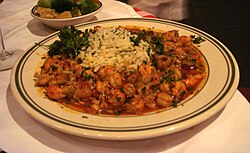
While most commonly associated with crawfish, étouffée can also be prepared using shrimp or crab. Regardless of the shellfish used, the dish is traditionally served over a bed of steamed rice to soak up the savory sauce.
Regional Influence and Variations
Étouffée is most popular in New Orleans and the Acadiana region of Louisiana. However, its influence extends beyond state lines into the coastal counties of eastern Texas, northern Florida, Alabama, and Mississippi. The preparation often varies depending on whether it follows Cajun or Creole traditions.
The Creole Approach
Creole versions of crawfish étouffée often incorporate tomatoes and rely on a specific type of roux—a mixture of fat and flour cooked together to thicken the sauce. Depending on the desired depth of flavor, chefs use one of two types:
- Blond Roux: Cooked for approximately 5 minutes to remove the raw flour taste and add a subtle nutty flavor.
- Brown Roux: Cooked for 30 to 35 minutes to achieve a deeper color and a more intense, robust flavor.
The Cajun Approach
While similar to the Creole style, Cajun étouffée is distinguished by its own unique blend of seasonings and typically omits the tomatoes found in Creole versions, focusing instead on the purity of the shellfish and the richness of the roux.
History and Cultural Impact
The origins of crawfish étouffée are rooted in the bayous and backwaters of Louisiana, where it was a popular meal among the Cajun population. While some sources suggest the dish may have been invented as early as the late 1920s, it gained wider commercial popularity around the 1950s when it was introduced to restaurant diners in Breaux Bridge, Louisiana.
Beyond the kitchen, étouffée has made appearances in popular culture. It was featured in the King of the Hill episode "A Beer Can Named Desire," where the character Bobby Hill attempts to order the dish via hotel room service. More recently, the New Orleans hip-hop scene was referenced in the song "Étouffée," the sixth track on Vince Staples' 2024 album Dark Times.
Key Facts
- Origin: Louisiana, United States.
- Meaning: The French word étouffée means "smothered."
- Primary Ingredients: Shellfish (crawfish, shrimp, or crab) and rice.
- Core Technique: Smothering, using a blond or brown roux for thickening.
- Regional Reach: Popular in New Orleans, Acadiana, and coastal areas of TX, FL, AL, and MS.
| Feature | Creole Style | Cajun Style |
|---|---|---|
| Common Ingredients | Shellfish, Roux, Tomatoes | Shellfish, Roux |
| Roux Type | Blond or Brown | Typically Brown |
| Flavor Profile | Nutty to Deep, slightly acidic | Robust and savory |
Frequently Asked Questions
What does the word "étouffée" mean?
It comes from the French word for "smothered," "stifled," or "suffocated," referring to the slow-simmering cooking method used to prepare the stew.
What is the difference between a blond roux and a brown roux?
A blond roux is cooked for about 5 minutes to remove the raw flour taste, while a brown roux is cooked for 30 to 35 minutes to create a darker color and a deeper, more complex flavor.
Is étouffée the same as a gumbo?
While both are stews from Louisiana, étouffée specifically uses the "smothering" technique and is typically served over rice, whereas gumbo often includes a wider variety of meats and vegetables and has a different consistency.
Which shellfish are typically used in étouffée?
The most common shellfish used are crawfish, shrimp, and crab.
Where is crawfish étouffée most popular?
It is most popular in New Orleans and the Acadiana region of Louisiana, as well as coastal regions of Mississippi, Alabama, northern Florida, and eastern Texas.