Grand Duchy of Hesse and by Rhine
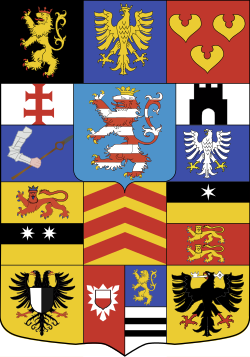
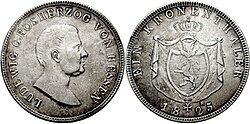
The Grand Duchy of Hesse and by Rhine (German: Großherzogtum Hessen und bei Rhein) was a sovereign state in western Germany that existed from 1806 to 1918. Originally emerging from the Landgraviate of Hesse-Darmstadt, the state evolved through the turbulent eras of the Napoleonic Wars, the unification of Germany, and the First World War. While colloquially known as Hesse-Darmstadt, it adopted its formal name in 1816 to distinguish itself from the neighboring Electorate of Hesse.
Based in its capital, Darmstadt, the Grand Duchy served as a constitutional monarchy that balanced traditional nobility with progressive legal and cultural reforms, eventually becoming a federal state of the German Empire.
Key Facts
- Existence: 1806 to 1918.
- Capital: Darmstadt.
- Government: Constitutional Monarchy.
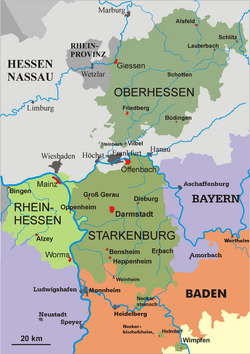
- Provinces: Upper Hesse, Starkenburg, and Rhenish Hesse.
- Motto: Gott, Ehre, Vaterland (God, Honour, Fatherland).
- Final Ruler: Grand Duke Ernest Louis.
Geography and Political Structure
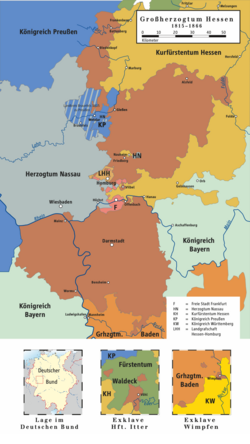
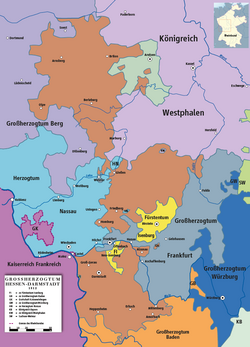
The Grand Duchy was strategically positioned in western Germany, bordered by the Electorate of Hesse to the north, the Kingdom of Bavaria to the east, the Grand Duchy of Baden to the south, and the Bavarian Palatinate to the southwest. Its territory was divided into three primary provinces: Upper Hesse, Starkenburg, and Rhenish Hesse.
The state's borders shifted over time. In 1866, it inherited Hesse-Homburg, though this and other territories like the Biedenkopf district were later ceded to Prussia. These areas eventually formed part of the Prussian Province of Hesse-Nassau in 1868.
Historical Evolution
Establishment and Early Years (1806–1830)
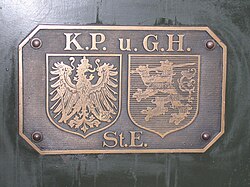
Established on August 13, 1806, the Grand Duchy began as a state of the Confederation of the Rhine. Under Louis I, the state expanded through treaties with the French Empire in 1810, acquiring territories from Electoral Hesse and Baden.
Constitutional and Legal Reforms
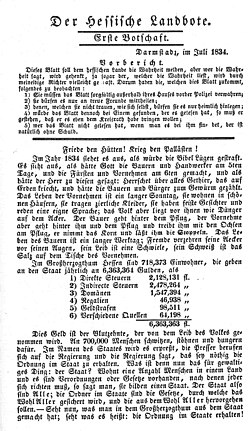
The 1820 Constitution marked a pivotal shift toward modern governance. The state implemented significant administrative reforms, including the establishment of Bürgermeister (mayors) for settlements with at least 400 inhabitants and the abolition of serfdom. These efforts aimed to streamline civic administration and modernize the social hierarchy.
![Louis I depicted with Hessian Constitution in his right hand on the Ludwigsmonument [de] in Darmstadt](/images/e6/3e/e63ef2a303cff84d8276f997b43d4a2fe1bb502cde56a0fe24dcab1557bedaf0.jpg)
Political Turmoil and the 1848 Revolution
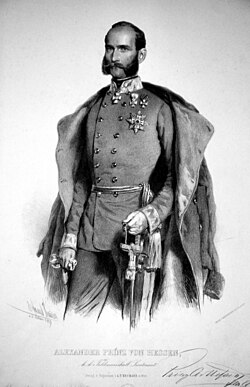
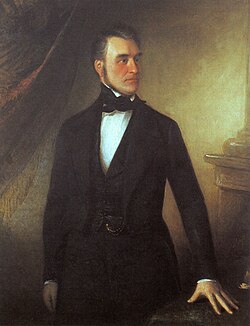
The mid-19th century was marked by instability. A financial crisis erupted when Louis II attempted to have the state pay his personal debts of two million guilders, leading to a clash with the liberal opposition in the Landstände (the legislative assembly). This tension culminated in the March Revolution of 1848, which forced further political reforms before a reactionary period in the 1850s restored previous provincial structures.
![Karl du Thil [de], President of the Council of Ministers, 1829–1848](/images/68/04/68043167150c0dc480d855f17efefad8f6f041369a1d707362fa1b8548d89641.jpg)
Integration into the German Empire (1871–1918)
Following the Austro-Prussian War of 1866 and the subsequent unification of Germany, the Grand Duchy became a federal state of the German Empire in 1871. While it was the sixth-largest state, it held no reserved powers, meaning much of its authority shifted to Berlin. Notably, the Hessian military was integrated into the Prussian Army in 1872, and the state adopted the Imperial Penal Code.
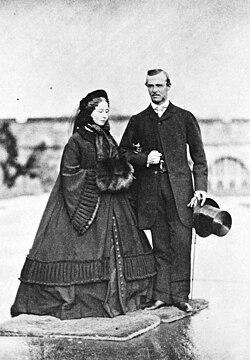
![Reinhard von Dalwigk [de], Minister-President, 1852–1871](/images/f7/b2/f7b2c70ffd4ab0dc64211f91dcfa60a1aa4d1aa63bc291ce6a1fe6518c88008d.jpg)
Government and Society
The Grand Dukes
The state was led by a succession of Grand Dukes from the House of Hesse, starting with Louis I and ending with Ernest Louis, who abdicated during the revolution of November 9, 1918.
| Ruler | Reign | Notable Spouse |
|---|---|---|
| Louis I | 1806–1830 | Louise of Hesse-Darmstadt |
| Louis II | 1830–1848 | Wilhelmine of Baden |
| Louis III | 1848–1877 | Mathilde Caroline of Bavaria |
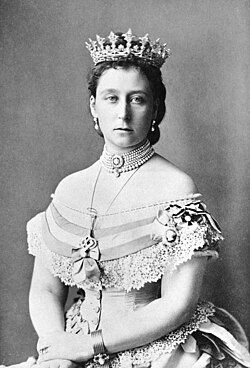
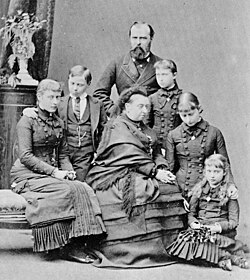
| Louis IV | 1877–1892 | Princess Alice of the UK |
| Ernest Louis | 1892–1918 | Victoria Melita of Saxe-Coburg and Gotha |
Demographics and Religion
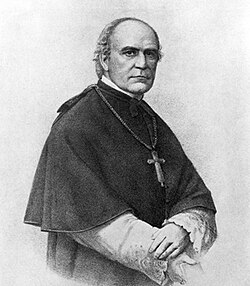
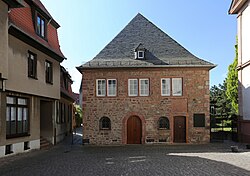
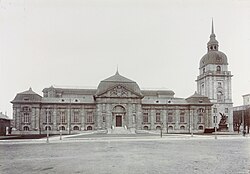
The population grew steadily from 546,000 in 1806 to over 1.28 million by 1910. The society was religiously diverse, comprising Protestants, Catholics, and a significant Jewish community, with the oldest Jewish community located in Worms.
![Interior of the Main Synagogue, Mainz [de].](/images/3e/06/3e06a0fd1f878938758c9a9f79d04cd4567b2656c7ce78950f31b24b1afe224b.jpg)
Economy, Transport, and Culture
Industrialization and Commerce
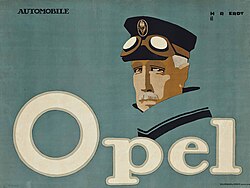
The Grand Duchy fostered several key industries. Darmstadt became a hub for chemicals and pharmaceuticals (notably E. Merck) and machine manufacturing. The state also saw the rise of early gasworks for street lighting, starting in Mainz in 1853.
![Former headquarters of the Darmstadt Bank [de] in Darmstadt](/images/57/97/5797201864b6c971dade3d9262034dcc2f25cd3795a66fb7b0d5c96b2dd9bcde.jpg)
Transport Infrastructure
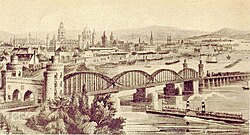
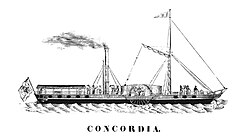
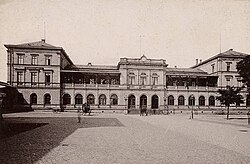
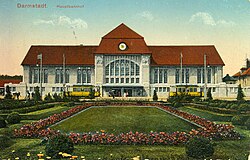
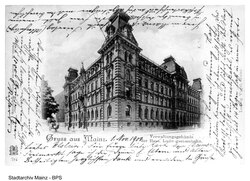
The transition from horse-drawn carriages to steam power was rapid. The Rhine became a vital artery for steamboats, and a comprehensive railway network developed. The Hessian Ludwig Railway was the dominant provider, accounting for 55% of the network by 1889.
Cultural Legacy
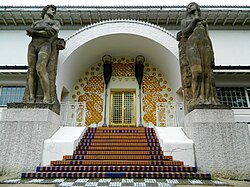
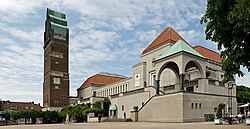
Hesse was a pioneer in heritage management; its 1902 Law on Cultural Heritage Management was the first of its kind in Germany. The state is also remembered for its embrace of Jugendstil (Art Nouveau), particularly in the architecture of Darmstadt.
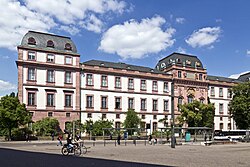
![The Ständehaus on Luisenplatz in Darmstadt (1888), seat of the Landstände of the Grand Duchy of Hesse [de]](/images/19/ff/19ffd3ad5293a75cfddc5eba8cc8edbf1a803db976c831fb2f83c8b102028a52.jpg)
Frequently Asked Questions
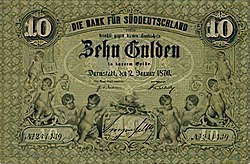
![100 mark bank note from the Bank für Süddeutschland [de], 1875](/images/31/44/3144aa9c6ecd05833fdb345f15ee8ed0e6e816f9806514b3fc4d28fc0bec4e56.jpg)
![Cast iron stairs in the library of Herrnsheimer Schloss [de], originally displayed in the First German Industrial Exhibition [de] at Mainz in 1842[180]](/images/57/c7/57c73496f9632f9ac28cc75758a7aedf9fdc85b8f0961846ad025bae6c851512.jpg)
![The "Rechtschreibgrenze" ("Correct Spelling Boundary"): traffic sign leaving "Preußisch-Bösgesäß" and stating that Hessisch-Bös-Gesäß is 1 km away[204]](/images/3d/77/3d77b895e5f7c2ab2e511a0565c9db53f6dd98e255d88b189c00c996a3b9218d.jpg)
Why was the state called "Hesse and by Rhine"?
The name was adopted in 1816 to distinguish the Grand Duchy from the Electorate of Hesse (Hesse-Kassel), reflecting its territory's extension to the Rhine river.
What happened to the Grand Duchy in 1918?
The Grand Duchy fell during the German Revolution on November 9, 1918, leading to the abdication of Grand Duke Ernest Louis and the establishment of the People's State of Hesse.
How did the military change after 1871?
Following a military convention on June 13, 1871, the Hessian forces were incorporated into the Imperial German Army on January 1, 1872, and the Hessian ministry of war was abolished.
What was the significance of the 1902 Heritage Law?
The "Law on Cultural Heritage Management" was the first modern, codified law of its kind in Germany and served as a model for other regions until 1986.
Which industries were most prominent in the Grand Duchy?
Key industries included chemicals and pharmaceuticals (E. Merck), leather works (Cornelius Heyl AG), and railway car manufacturing (Gebrüder Gastell).