Göynük: A Journey Through Ottoman History and Architecture
Nestled in a landscape of timeless beauty, Göynük stands as a living museum of the Ottoman Empire. This charming town is defined by its narrow, winding streets and a picturesque stream that flows through its center, creating an atmosphere of tranquility and historical depth. From its well-preserved residential architecture to its spiritual landmarks, Göynük offers a rare glimpse into the social and religious fabric of the Ottoman era.
Architectural Heritage and Landmarks
The town is renowned for its exceptional collection of over 100 houses dating back to the early 20th century. These structures, alongside ancient mosques, fountains, and hammams (traditional Turkish baths), contribute to the town's status as a site of significant historical interest.
Among the most prominent landmarks is the Müderrisoğlu Konağı, a historic Ottoman mansion located in the heart of the town. For those seeking a panoramic view, the victory tower situated on the hill at the top of Göynük serves as a defining beacon of the town's skyline.
The Spiritual Legacy of Akshamsaddin
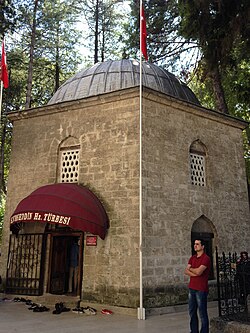
Beyond its architecture, Göynük is a center of spiritual importance, primarily due to the presence of Akshamsaddin (1389-1459). A towering figure in Ottoman history, Akshamsaddin was an influential religious scholar, poet, and mystic saint.
He is perhaps best known for his role as the guide to Mehmed the Conqueror, providing the spiritual and intellectual support necessary during one of the empire's most pivotal eras. His tomb remains the most significant site of pilgrimage and reflection in the town.
Key Facts
- Residential History: Home to more than 100 Ottoman-period houses from the early 20th century.
- Key Landmarks: Features the Müderrisoğlu Konağı mansion and a victory tower on the town's highest hill.
- Spiritual Figure: The town houses the tomb of Akshamsaddin (1389-1459).
- Historical Influence: Akshamsaddin served as a mystic saint and guide to Mehmed the Conqueror.
- Town Layout: Characterized by narrow streets and a central stream.
Göynük Historical Summary
| Category | Key Feature | Description/Significance |
|---|---|---|
| Architecture | Ottoman Houses | Over 100 structures from the early 20th century. |
| Landmarks | Müderrisoğlu Konağı | A prominent old Ottoman mansion in the town center. |
| Landmarks | Victory Tower | Located on the hill overlooking the town. |
| Spirituality | Tomb of Akshamsaddin | Final resting place of the scholar and guide to Mehmed the Conqueror. |
Frequently Asked Questions
What makes Göynük historically significant?
Göynük is significant for its preservation of early 20th-century Ottoman architecture, including over 100 period houses, as well as its ancient mosques, hammams, and fountains.
Who was Akshamsaddin?
Akshamsaddin (1389-1459) was an influential Ottoman religious scholar, poet, and mystic saint who served as the guide to Mehmed the Conqueror.
What are the must-visit landmarks in Göynük?
Visitors should explore the Müderrisoğlu Konağı mansion in the center, the victory tower on the hill, and the tomb of Akshamsaddin.
What is the general atmosphere of the town?
The town is characterized by its attractive narrow streets and a pretty stream that runs through the center, blending natural beauty with historical charm.