Göttingen: A Historic University City in Lower Saxony
Nestled in central Germany, Göttingen is a vibrant university city in the state of Lower Saxony. Situated along the banks of the River Leine, it serves as the capital of its eponymous district. Known globally as a powerhouse of academic excellence and scientific discovery, Göttingen blends a rich medieval heritage with a youthful, modern energy driven by its large student population.
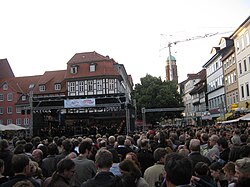
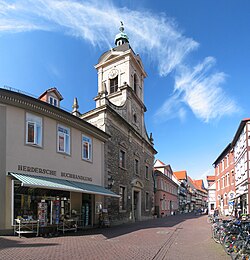
The city's atmosphere is defined by its pedestrian-friendly inner city, filled with cafes, bars, and shops. Because it remained largely untouched by Allied bombing during World War II, the historic core remains remarkably intact, providing a scenic backdrop for the thousands of students who call the city home.
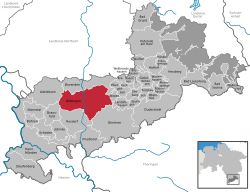
Key Facts
- Population: 127,259 (as of December 31, 2024).
- First Mentioned: 953 AD as the village of Gutingi.
- Geography: Located in Lower Saxony, Germany, at an elevation of 150 meters.
- Academic Status: Home to the Georg-August University and several Max Planck Institutes.
- Economy: A transition from a wealthy Hanseatic trading town to a modern academic and research hub.
History and Evolution
Early Origins and the Grona Fortress
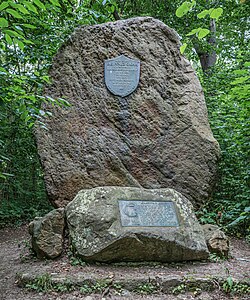
The roots of the city trace back to a village called Gutingi, first documented in 953 AD. The actual town was founded between 1150 and 1200 AD to the northwest of the original village. One of the area's earliest landmarks was the Grona fortress, which served as an imperial palace. It is noted that Emperor Henry II retreated here in ill health and died at the site in 1025. Over the centuries, the fortress changed hands and was eventually razed to the ground by Duke Otto I in 1387 during his feuds with the city.
Growth and the Hanseatic League
Göttingen experienced significant growth under the Welf dynasty. Duke Albert II "the Fat" established the city as his residence in the late 13th century, rebuilding the residency into a fortress known as the Ballerhus. By 1351, the city joined the Hanseatic League—a powerful commercial and defensive confederation of merchant guilds and market towns—which brought substantial wealth to the region.
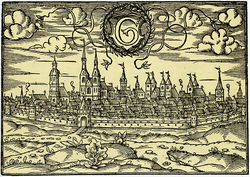
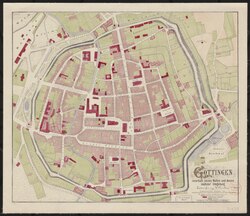
Around 1360, the city expanded its fortifications to encompass both the new town and the old village, growing to approximately 75 hectares. This era of expansion saw the establishment of the four city gates and the acquisition of surrounding villages in the Leine Valley.
Modern Era and Development
In the 20th century, Göttingen became a center for culture and cinema, with the Göttingen Studios serving as a major film production hub in West Germany from 1948 to 1961. Administratively, the city grew through the incorporation of several communities between 1963 and 1973, including Geismar, Grone, and Weende.
Academic and Scientific Legacy
Göttingen is perhaps most famous for its contribution to global science and philosophy. The Georg-August University of Göttingen and the Göttingen Academy of Sciences and Humanities have attracted some of the greatest minds in history.
Nobel Laureates and Pioneers
The city has been home to numerous Nobel Prize winners across various disciplines:
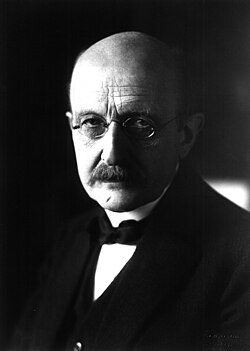
- Physics: Max Planck (1918) and Max Born (1954).
- Chemistry: Richard Adolf Zsigmondy (1925), Otto Hahn (1944), and Manfred Eigen (1967).
- Medicine: Thomas C. Südhof (2013).
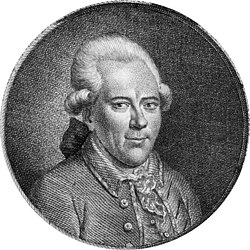
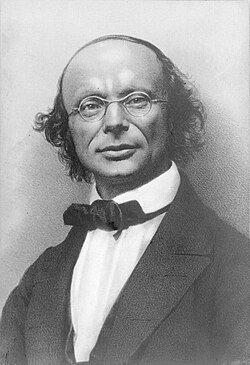
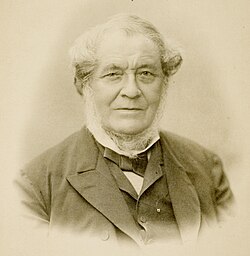
Beyond Nobel prizes, the city is linked to legendary figures such as mathematician Carl Friedrich Gauss, chemist Robert Bunsen, and physicist Wilhelm Eduard Weber.
Current Research Institutions
Today, the city remains a global research hub, hosting multiple Max Planck Institutes focusing on Biophysical Chemistry, Experimental Medicine, Dynamics and Self-Organization, Solar System Research, and the Study of Religious and Ethnic Diversity, as well as the German Primate Center.
City Landmarks and Culture
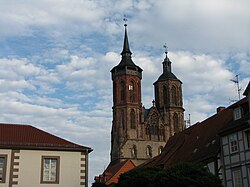
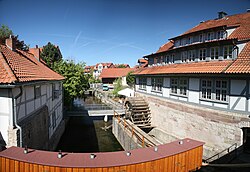
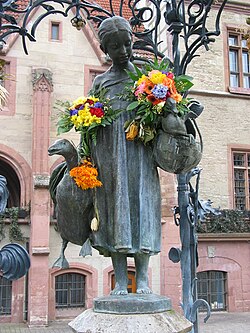
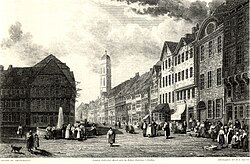
The heart of the city is characterized by its historic architecture and public spaces. The Gänseliesel fountain stands as the most iconic landmark in the main market, symbolizing the city's charm.
Religious and Historic Sites
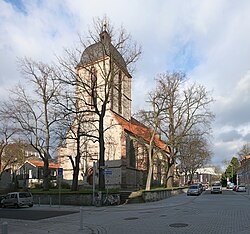
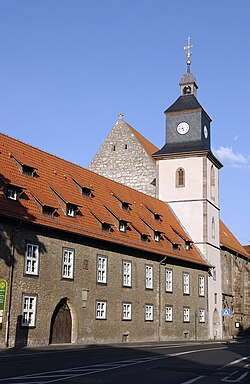
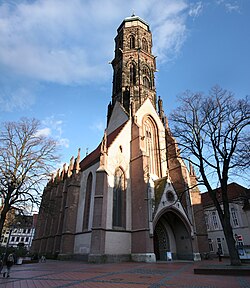
The city's skyline is dotted with historic churches, including St. Alban's, Marienkirche, St. John's, St. Jacobi's, and St. Michael's. These structures reflect the city's long religious history, though modern trends show a shift toward secularism.
Botanical Gardens
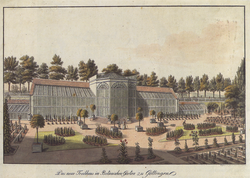
The university maintains three significant botanical gardens, including the Alter Botanischer Garten and the Neuer Botanischer Garten, which serve as both research facilities and public green spaces.
City Profile Summary
| Category | Details |
|---|---|
| State | Lower Saxony, Germany |
| Population (2024) | 127,259 |
| Total Area | 116.93 km² |
| Elevation | 150 m |
| Key River | Leine |
| Major Institution | Georg-August University |
Climate
Göttingen experiences a temperate climate. According to data from 1991–2020, the annual mean daily maximum temperature is 14.0°C, with the warmest month being July (24.0°C) and the coldest being January (3.9°C). The city receives an average annual precipitation of 624 mm, with the highest rainfall typically occurring in July.
Frequently Asked Questions

When was Göttingen first mentioned in historical records?
Göttingen was first mentioned in a document in 953 AD, referring to a village called Gutingi.
What is the significance of the Hanseatic League to Göttingen?
Göttingen joined the Hanseatic League in 1351, which allowed the town to become a wealthy center of trade during the medieval period.
Which famous scientists are associated with Göttingen?
The city is associated with many giants of science, including Carl Friedrich Gauss, Max Planck, Robert Bunsen, and Otto Hahn.
What is the Gänseliesel?
The Gänseliesel is a famous fountain located at the main market and is one of the most recognizable landmarks of the city.
How has the population of Göttingen changed over time?
The population has grown significantly from roughly 6,000 in 1393 to over 127,000 by the end of 2024, reflecting its growth as an academic and administrative center.