German Revolution of 1918–1919: The Fall of the Empire and the Birth of Weimar
The German Revolution was a pivotal period of political upheaval that transformed Germany from a monarchical empire into a democratic republic. Occurring in two distinct stages between October 1918 and August 1919, the revolution was fueled by the exhaustion of World War I, military collapse, and a deep ideological divide within the socialist movement.
At the heart of the conflict was the Social Democratic Party of Germany (SPD). While the SPD had historically adhered to class conflict and maintained international anti-war ties, patriotism led them to support the war effort in 1914. However, as the conflict dragged on, the party split, and the pressure for peace and systemic change became irresistible.
Key Facts
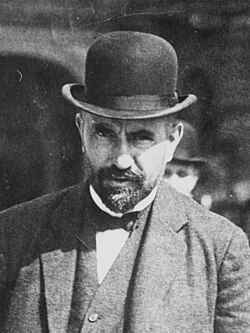
- Timeline: The revolution occurred in two stages: the fall of the Empire (Oct 29 – Nov 9, 1918) and the defeat of the radical left (Nov 10, 1918 – Aug 11, 1919).
- Outcome: The victory of the Weimar Republic and the abdication of Kaiser Wilhelm II.
- Key Figures: Friedrich Ebert and Philipp Scheidemann (SPD) led the transition to a republic, while the radical left was represented by the Spartacus League and later the KPD.
- Major Events: The Kiel Mutiny, the proclamation of the republic at the Reichstag, and the violent Spartacist Uprising.
- Political Shift: The first national elections in 1919 included women for the first time in German history.
The First Stage: The Collapse of the Empire
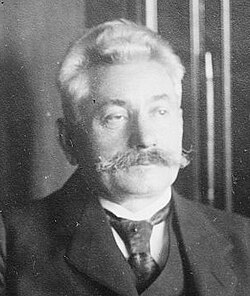
The revolution was triggered by a combination of military failure and domestic unrest. In January 1918, massive strikes erupted in armament factories, with roughly one million workers nationwide demanding an end to the war. While the military suppressed these strikes, the seeds of rebellion were sown.
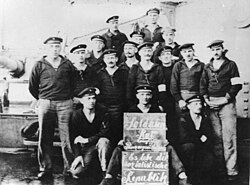
The spark that ignited the final collapse was the Kiel Mutiny, where sailors refused orders to engage in a final, futile battle against the British Royal Navy. This revolt spread rapidly across Germany, leading to the formation of workers' and soldiers' councils—local governing bodies modeled after the Russian soviets.
By November 9, 1918, the revolution reached Berlin. To prevent a full-scale Bolshevik-style uprising, Philipp Scheidemann proclaimed a republic from a window of the Reichstag building. Shortly thereafter, Kaiser Wilhelm II abdicated, ending centuries of monarchical rule in Germany.
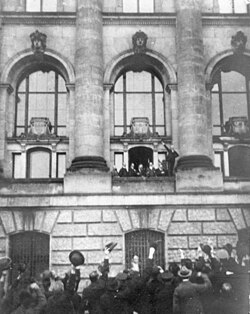
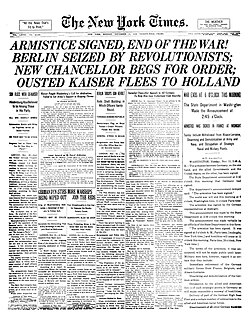
The transition was marked by a chaotic atmosphere, as reported by international media at the time, noting that Berlin had been seized by revolutionists on Armistice Day.
The Second Stage: The Struggle for the Republic's Soul
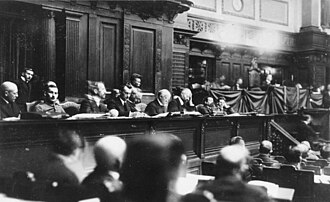
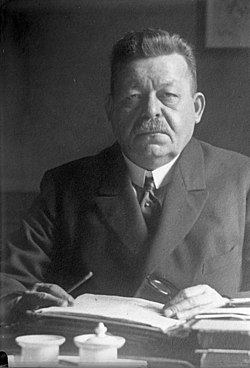
Following the fall of the Empire, a power struggle emerged between the moderate SPD and the radical left, including the Independent Social Democrats (USPD) and the Spartacus League. The moderates, led by Friedrich Ebert, sought a parliamentary democracy, while the radicals pushed for a council republic—a system where power resided in workers' and soldiers' councils rather than elected parliamentarians.
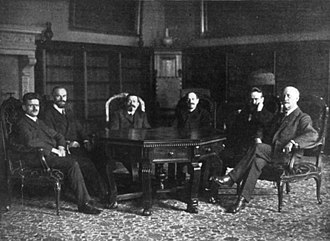
To maintain order, the interim government, known as the Council of the People's Deputies, formed a pact with the military. This alliance included the Freikorps, paramilitary units composed of former soldiers who were fiercely anti-communist.
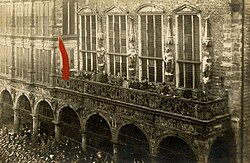
This period saw the rise of short-lived Soviet Republics in cities like Bremen and Munich, where radicals attempted to implement socialist governance.
The Turn to Violence
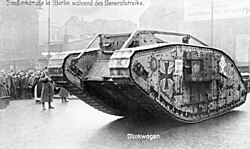
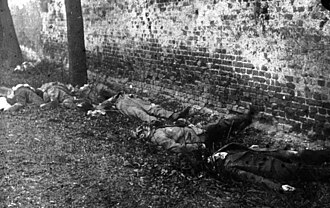
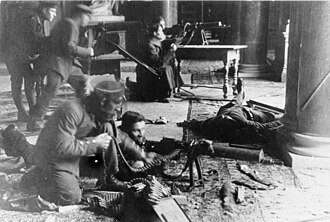
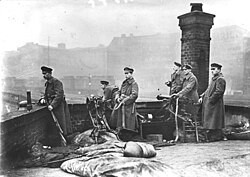
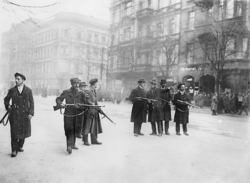
Tensions peaked during the "Christmas Crisis" of 1918 and the subsequent Spartacist Uprising in early 1919. The government utilized the Freikorps to brutally suppress these revolts. This violence culminated in the summary execution of radical leaders and bloody street battles in Berlin, sometimes involving captured British tanks.
The aftermath of these clashes left the radical left decimated and created a legacy of bitterness. The summary executions of revolutionaries marked a dark beginning for the new republic.
Establishing the Weimar Republic
On January 19, 1919, Germany held its first democratic elections for a constituent national assembly. In a landmark move, women were granted the right to vote. The SPD emerged as the strongest party, forming the Weimar Coalition with the Catholic Centre Party and the German Democratic Party.
The assembly met in the town of Weimar to avoid the volatility of Berlin. There, they elected Friedrich Ebert as temporary president and Philipp Scheidemann as minister president, drafting a new constitution that established the legal framework for the Weimar Republic.
Despite the democratic victory, the republic was born into instability. The "stab-in-the-back" myth, promoted by figures like Erich Ludendorff, falsely claimed the army had been betrayed by civilians at home, fueling right-wing resentment.
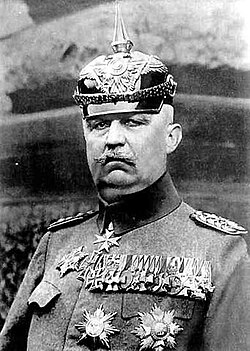
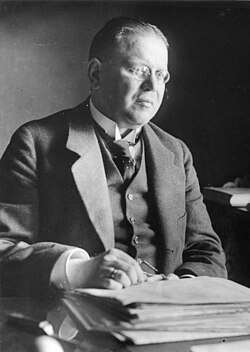
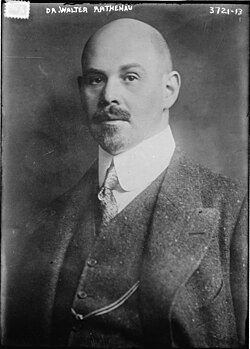
This resentment eventually led to political assassinations of key republicans, including Matthias Erzberger and Walther Rathenau, who were targeted for their roles in the Treaty of Versailles and their political affiliations.
Summary of the Revolutionary Transition
| Feature | First Stage (Fall of Empire) | Second Stage (Consolidation) |
|---|---|---|
| Primary Goal | End of WWI and Monarchy | Parliamentary vs. Council Republic |
| Key Event | Kiel Mutiny / Abdication | Spartacist Uprising / National Assembly |
| Dominant Force | Sailors and Workers' Councils | SPD and Freikorps |
| Political Result | End of Hohenzollern Dynasty | Establishment of Weimar Republic |
Frequently Asked Questions
What was the "stab-in-the-back" myth?
The "stab-in-the-back" myth was a conspiracy theory promoted by military leaders like Erich Ludendorff. It claimed that the German army remained undefeated on the battlefield but was betrayed by civilians, socialists, and Jews at home, who allegedly caused the collapse of the Empire.
Who were the Freikorps?
The Freikorps were volunteer paramilitary units consisting primarily of former WWI soldiers. They were utilized by the SPD-led government to suppress leftist uprisings and maintain order during the transition to the republic.
Why did the revolution split into two stages?
The first stage was a broad-based movement focused on ending the war and removing the Kaiser. The second stage was an ideological conflict over whether Germany should become a liberal parliamentary democracy or a socialist council republic.
What was the significance of the 1919 elections?
The January 1919 elections were historic because they were the first in Germany to allow women to vote. They also legitimized the Weimar Coalition and provided the mandate to create the new Reich constitution.
What happened to the radical left after 1919?
The radical left suffered heavy losses due to the violent suppression of the Spartacist Uprising and the March Battles. Many leaders were executed or forced underground, while the KPD (Communist Party of Germany) emerged as a distinct political entity from the SPD.