German Revolution of 1918–1919: The Fall of the Empire and Rise of Weimar
The German Revolution was a pivotal period of political upheaval that transformed Germany from a monarchical empire into a democratic republic. Spanning from late October 1918 to August 1919, this transition was marked by intense class conflict, military collapse, and a violent struggle between moderate socialists and radical revolutionaries.
At the heart of the conflict was the Social Democratic Party of Germany (SPD). Despite its socialist roots and international ties to anti-war movements, the SPD had supported the German war effort since 1914. However, as the pressures of World War I became unsustainable, the party found itself caught between the demands of a starving population and the rigid structure of the Imperial government.
Key Facts
- Timeline: Occurred in two stages: the fall of the Empire (Oct 29 – Nov 9, 1918) and the defeat of the radical Left (Nov 10, 1918 – Aug 11, 1919).
- Outcome: The victory of the moderate Weimar Republic over radical council-based systems.
- Key Figures: Friedrich Ebert and Philipp Scheidemann (SPD) led the transition to a republic.
- Major Events: The Kiel Mutiny, the abdication of Kaiser Wilhelm II, and the Spartacist Uprising.
- Political Shift: Transition from the German Empire to the Weimar Republic.
The Road to Revolution: War and Internal Strife
The seeds of revolution were sown during the later years of World War I. By January 1918, inspired by the Russian February Revolution, approximately 400,000 workers in Berlin and a million nationwide went on strike. Their primary demand was an immediate end to the war. While the SPD participated to prevent the more radical Spartacists from seizing leadership, the military eventually suppressed the strikes.
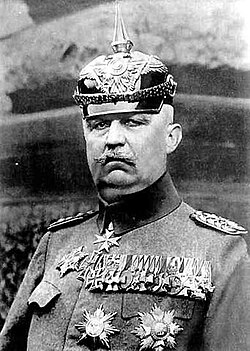
As the military situation deteriorated, the Imperial leadership began to fracture. General Erich Ludendorff later attempted to shift the blame for the war's loss from the army to the civilian government, a narrative that contributed to the "stab-in-the-back" myth.
First Stage: The Fall of the Empire
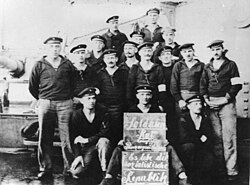
The revolution ignited in earnest with the Kiel Mutiny, where sailors refused orders to engage in a final, futile battle against the British Royal Navy. This defiance spread rapidly across Germany, leading to the formation of workers' and soldiers' councils—local governing bodies intended to replace the old imperial administration.
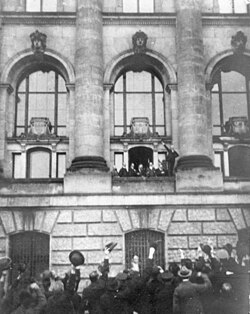
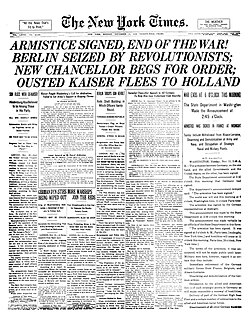
By November 9, 1918, the unrest reached Berlin. In a bid to prevent a full-scale Bolshevik-style revolution, Philipp Scheidemann proclaimed the existence of a republic from a window of the Reichstag building. Shortly thereafter, Kaiser Wilhelm II abdicated, ending centuries of monarchical rule in Germany.
Second Stage: The Struggle for the Republic's Soul
Following the collapse of the Empire, a power struggle emerged between the moderate SPD, led by Friedrich Ebert, and the radical left, including the Independent Social Democrats (USPD), the Spartacus League, and later the Communist Party of Germany (KPD).
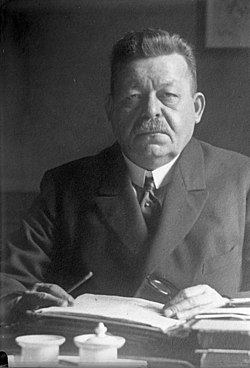
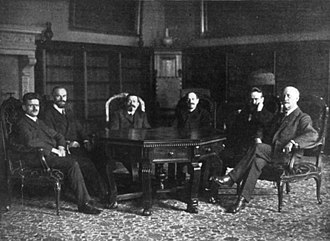
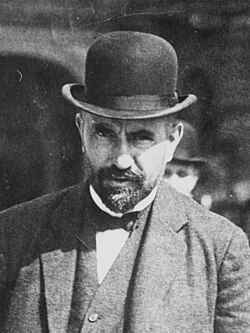
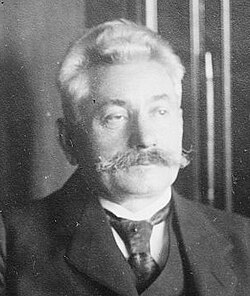
The interim government, known as the Council of the People's Deputies, attempted to stabilize the nation. They formed a pact with the military to maintain order and signed the armistice to end the war. To address labor unrest, the Stinnes-Legien Agreement was reached between industrialist Hugo Stinnes and union leader Carl Legien, recognizing unions in exchange for labor peace.
The Rise of Soviet Republics
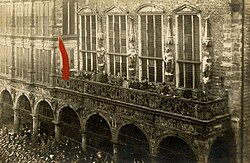
While the moderates sought a parliamentary democracy, radicals in various cities attempted to establish Soviet Republics (council-based states). These emerged in Bremen, Bavaria, Würzburg, and Alsace-Lorraine, mirroring the Russian model of governance.
Violence and the Spartacist Uprising
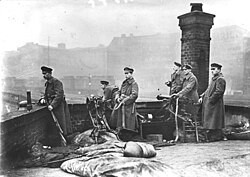
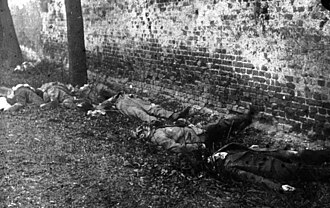
The tension culminated in the "Christmas Crisis" of 1918 and the Spartacist Uprising of January 1919. The Ebert government, relying on the Freikorps (paramilitary units of former soldiers), brutally suppressed these revolts. This period saw the summary execution of radical leaders Karl Liebknecht and Rosa Luxemburg.
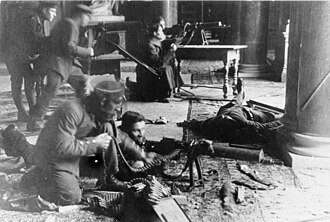
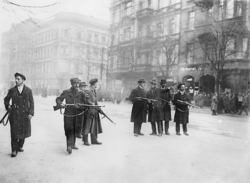
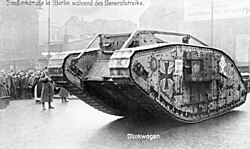
Further unrest continued into March 1919 with the Berlin March Battles, as workers fought for the nationalization of industry and the formal recognition of the councils.
The Birth of the Weimar Republic
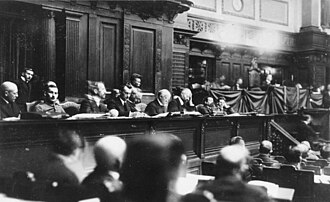
On January 19, 1919, Germany held its first elections for a constituent National Assembly, notably granting women the right to vote for the first time. The SPD emerged as the strongest party, forming the Weimar Coalition with the Catholic Centre Party and the German Democratic Party.
To escape the volatility of Berlin, the Assembly met in the town of Weimar. On February 11, 1919, Friedrich Ebert was elected temporary president, and Philipp Scheidemann became minister president.
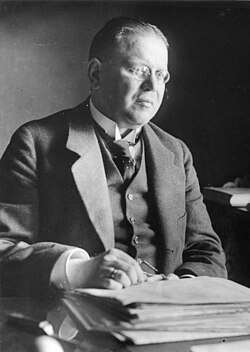
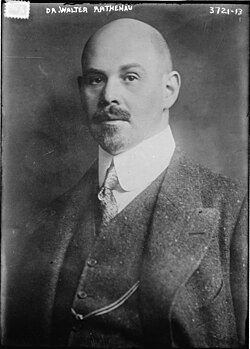
Despite the establishment of a new constitution, the republic remained fragile. The radical right viewed the new government as traitors, leading to the assassinations of Matthias Erzberger in 1921 and Foreign Minister Walther Rathenau in 1922.
Summary of the Revolutionary Transition
| Faction | Key Leaders | Primary Goal | Outcome |
|---|---|---|---|
| Moderate Socialists (SPD) | Friedrich Ebert, Philipp Scheidemann | Parliamentary Democracy | Established the Weimar Republic |
| Radical Left (Spartacists/KPD) | Karl Liebknecht, Rosa Luxemburg | Council Republic (Soviet model) | Suppressed by military/Freikorps |
| Imperial Government | Wilhelm II, Erich Ludendorff | Maintenance of Monarchy | Collapsed; Kaiser abdicated |
| Right-Wing Paramilitaries | Freikorps leaders | Anti-Communism / Order | Used by SPD to crush left-wing revolts |
Frequently Asked Questions
What triggered the start of the German Revolution?
The revolution was triggered by the collapse of the German military at the end of World War I, specifically starting with the Kiel Mutiny in October 1918, where sailors refused to engage in a final battle.
What was the difference between the SPD and the Spartacists?
The SPD (Social Democratic Party) favored a moderate, parliamentary democratic system. The Spartacists (and later the KPD) wanted a radical transformation of society based on workers' and soldiers' councils, similar to the Russian Soviet model.
Who were the Freikorps?
The Freikorps were volunteer paramilitary units composed primarily of former World War I soldiers. They were utilized by the moderate SPD government to suppress leftist uprisings and maintain order during the transition.
Why is the new republic called the "Weimar Republic"?
It is named after the city of Weimar, where the National Assembly met to draft the new constitution in 1919 to avoid the political chaos and violence occurring in Berlin.
What was the significance of the 1919 elections?
The January 1919 elections were historic because they were the first in Germany to allow women to vote, and they provided the democratic mandate for the formation of the Weimar Coalition government.