Exploring Geranium sylvaticum: The Enchanting Wood Cranesbill
In the shaded corners of European woodlands, a hardy and beautiful perennial thrives. Known scientifically as Geranium sylvaticum, this plant is more than just a common wildflower; it is a species steeped in botanical history, folklore, and horticultural charm. Whether you know it as the wood cranesbill or the woodland geranium, this plant offers a striking display of color and texture to any landscape.
The name itself tells a story. The Latin specific epithet sylvaticum translates to "of woodland," a direct nod to its natural habitat. This characteristic makes it a staple of temperate ecosystems across Europe and northern Turkey.
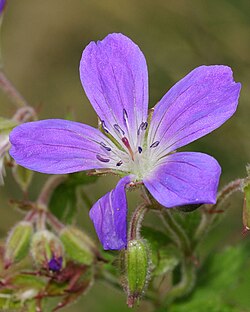
Botanical Profile and Characteristics
Geranium sylvaticum is a gynodioecious perennial, a botanical term meaning that populations consist of both female plants and hermaphroditic plants. It grows in a mound-forming habit, typically reaching heights of 75 cm (30 in) and spreading to a width of 60 cm (24 in).
Leaves and Flowers
The plant is easily identified by its deeply cut, toothed, 7-lobed basal leaves. During the summer months, it produces flowers borne on stalks surrounded by ruffs of leaves. One of the most fascinating aspects of this species is its color variability; depending on the specific soil conditions, the flowers can range in hue from a soft mauve to a bright sky blue.
Each flower features 10 stamens, and the plant produces glandular-hairy fruits, which are characteristic of the Geraniaceae family.
Key Facts
- Common Names: Wood cranesbill, woodland geranium.
- Native Range: Europe and northern Turkey.
- Flower Colors: Ranges from mauve to sky blue.
- Growth Habit: Mound-forming herbaceous perennial.
- Cultural Significance: The city flower of Sheffield, United Kingdom.
Cultivation in the Garden
For gardeners, Geranium sylvaticum is a highly valued species due to its hardiness and aesthetic appeal. It thrives in temperate climates, particularly in locations that are reliably moist and lightly shaded. This makes it an ideal candidate for "underplanting"—the practice of planting smaller species beneath larger ones.
It is especially effective when planted beneath deciduous trees, roses, or lilies, providing a lush, flowering base for summer-blooming subjects. To ensure success, gardeners should look for specific cultivars that have been recognized for their excellence.
Award-Winning Cultivars
The Royal Horticultural Society (RHS) has granted the Award of Garden Merit to several varieties, including:
- 'Album'
- 'Mayflower'
History, Folklore, and Uses
Beyond its beauty, Geranium sylvaticum holds a unique place in European tradition. In ancient times, the flowers were used to produce a blue-gray dye. Legend suggests that this dye was used to color war cloaks, under the belief that it would provide protection during battle. Because of this association, the plant was sometimes referred to as Odin's Grace.
| Rank | Classification |
|---|---|
| Kingdom | Plantae |
| Clade | Embryophytes, Tracheophytes, Angiosperms, Eudicots, Rosids |
| Order | Geraniales |
| Family | Geraniaceae |
| Genus | Geranium |
| Species | G. sylvaticum |
Frequently Asked Questions
What does the name "wood cranesbill" mean?
The name refers to the plant's natural woodland habitat and its flower structure, which resembles the beak of a crane.
Where is Geranium sylvaticum native to?
This species is native to Europe and the northern regions of Turkey.
What kind of soil and light does this plant prefer?
It prefers moist soil and lightly shaded environments, making it perfect for woodland-style gardens.
Why was it called "Odin's Grace"?
It was given this name because its flowers could be used to create a blue-gray dye for war cloaks, which were believed to offer protection in battle.
Is Geranium sylvaticum a good choice for shade gardens?
Yes, it is an excellent choice for underplanting deciduous trees and other summer-flowering plants that prefer light shade and moisture.