Aster: The Star-Shaped Perennial with a Rich Botanical History
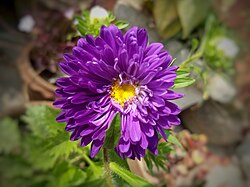
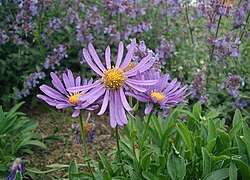
Derived from the Ancient Greek word astḗr, meaning 'star', the Aster genus is named for the distinctive star-like shape of its flower heads. These perennial flowering plants belong to the large Asteraceae family and are beloved by gardeners worldwide for their vibrant, colorful blooms. Often referred to as Michaelmas daisies due to their late-season flowering, they serve as a vital resource in both ornamental landscapes and natural ecosystems.
Botanical Classification and Taxonomy
The classification of the Aster genus has undergone significant changes due to advancements in morphological and molecular research. During the 1990s, scientists determined that the genus was much broader than previously thought. While it once contained nearly 600 species across Eurasia and North America, modern taxonomy has narrowed its scope to approximately 170 to 186 species.
A major shift occurred when North American species were reclassified into different related genera within the same tribe, Astereae. These include genera such as Symphyotrichum, Eurybia, and Doellingeria. Today, almost all species within the true Aster genus are restricted to Eurasia, with only one exception.
Scientific Hierarchy
- Kingdom: Plantae
- Clade: Angiosperms (flowering plants)
- Order: Asterales
- Family: Asteraceae
- Genus: Aster L.
- Type Species: Aster amellus
Key Facts
- Name Origin: The name comes from the Greek word for 'star', reflecting the flower shape.
- Common Name: Frequently called 'Michaelmas daisies' because they bloom around the feast of St. Michael.
- Ecological Role: They serve as essential food plants for the larvae of various Lepidoptera (moths and butterflies) species.
- Global Presence: Most species are native to Eurasia, though they can grow in all hardiness zones.
- Historical Significance: The flower was a symbol of the 1918 Hungarian "Aster Revolution."
Phytochemical Profile
Asters contain various organic compounds that contribute to their biological functions and characteristics:
- Flavonoids: These compounds often provide color to the petals and possess antioxidant properties.
- Terpenoids: These may be responsible for the fragrance of certain species.
- Saponins: These can create frothy solutions in water and may offer antimicrobial properties.
- Phenolic Compounds: Including tannins, these assist in the plant's natural defense mechanisms.
- Alkaloids: Though less common, these can influence the plant's bioactivity.
Summary of Selected Aster Species
| Scientific Name | Common Name / Note |
|---|---|
| Aster amellus | European Michaelmas daisy / Italian aster |
| Aster alpinus | Alpine aster |
| Aster tataricus | Tatarian aster |
| Aster ageratoides | Rough-surface aster |
| Aster arenarius | Beach-sand aster |
Cultural and Historical Significance
Beyond the garden, Asters hold a unique place in human history and folklore. In the United Kingdom, they are celebrated in traditional rhymes associated with the Michaelmas season. The plant's importance is also reflected in horticultural preservation, with national collections held at sites like Old Court Nurseries, Picton Garden, and Upton House.
In political history, the flower became a symbol of protest during the Hungarian revolution of October 31, 1918, an event famously known as the Aster Revolution because of the flowers worn by demonstrators in Budapest.
Frequently Asked Questions
Why are they called Michaelmas daisies?
They are commonly called Michaelmas daisies because they typically bloom during the period around Michaelmas (the feast of St. Michael) in the British Isles.
Are all asters native to North America?
No. Following taxonomic reclassification, almost all species in the genus Aster are restricted to Eurasia. Most North American species formerly classified as asters have been moved to other genera like Symphyotrichum.
What do asters provide for local wildlife?
Asters serve as important food plants for the larvae of several species of Lepidoptera, which includes various butterflies and moths.
Can asters be grown in different climates?
Yes, Aster species are versatile and can grow in all hardiness zones.
What is the type species of the genus?
The type species for the genus Aster is Aster amellus.