Lactuca: The Diverse World of Wild and Garden Lettuces
While most people associate the name Lactuca with the crisp leaves found in a salad bowl, this genus encompasses a vast and fascinating array of botanical life. From common garden vegetables to hardy wild weeds, the genus Lactuca represents a diverse group of flowering plants that have adapted to environments ranging from arid deserts to lush mountain ranges.
Belonging to the Asteraceae family (the daisy or sunflower family), Lactuca includes at least 117 recognized species. While they are distributed worldwide, they are most prevalent in the temperate regions of Eurasia. The name itself is derived from the Latin word for "having milky sap," a reference to the white latex often found within the plant's tissues.
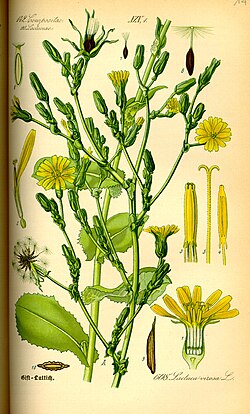
Key Facts
- Scientific Family: Asteraceae (Subfamily Cichorioideae).
- Common Name: Lettuce.
- Primary Species: Lactuca sativa (garden lettuce).
- Global Distribution: Worldwide, with a focus on temperate Eurasia.
- Growth Forms: Includes annuals, biennials, perennials, and shrubs.
- Ecological Role: Serves as a food source for many Lepidoptera (moth and butterfly) larvae.
Botanical Classification and Diversity
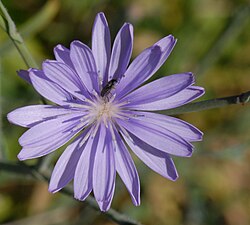
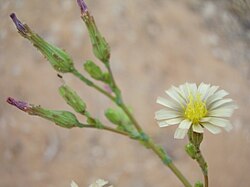
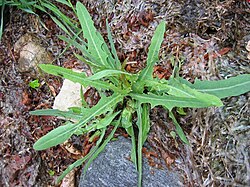
The genus Lactuca is characterized by significant morphological variety. Depending on the species, these plants can appear as small herbs or larger shrubs. Their flower heads are typically composed of ray florets that can be yellow, blue, or white. While many are edible, some species are known for having a notably bitter taste.
Taxonomically, the genus has been subject to various classifications, with several synonyms used in historical botanical studies, such as Agathyrsus and Cyanoseris. As of 2026, researchers recognize more than one hundred distinct species within the genus.
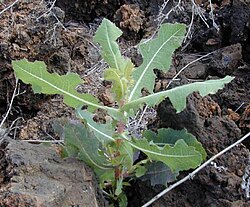
Varied Habitats and Adaptations
Lactuca species have mastered survival in diverse climates. Many are xerophytes, meaning they are biological organisms specifically adapted to survive in environments with very little liquid water, such as dry habitats. However, the genus is not limited to arid zones; some species thrive in more humid environments, including the mountains of central Africa.
Genomic Complexity
Recent scientific research has highlighted the incredible genetic diversity within the genus. There is substantial variation in genome size—the total amount of DNA contained within a cell's nucleus. For instance, Lactuca saligna possesses a genome of approximately 2.1 Gb, whereas Lactuca indica reaches up to 5.5 Gb.
This expansion in genome size is primarily driven by the proliferation of repetitive elements. This process is linked to lower levels of DNA methylation (specifically CHH methylation) and a reduction in the expression of the CMT2 gene, providing a window into how these plants evolve and adapt over time.
Summary of Notable Lactuca Species
| Scientific Name | Common Name / Notes | Primary Region |
|---|---|---|
| Lactuca sativa | Garden lettuce | Global (Cultivated) |
| Lactuca serriola | Prickly lettuce | Africa, Asia, Europe |
| Lactuca virosa | Bitter lettuce | Europe, Northern Africa |
| Lactuca tatarica | Blue lettuce | Northern Hemisphere |
| Lactuca alpina | Alpine sow-thistle | Europe |
Frequently Asked Questions
What is the difference between garden lettuce and wild lettuce?
Garden lettuce, or Lactuca sativa, is a cultivated variety specifically bred for human consumption. "Wild lettuce" refers to the various uncultivated relatives of the garden variety that grow naturally in the wild.
Why is the genus named Lactuca?
The name comes from the Latin root lactis, meaning milk. This refers to the milky-white sap that many species in this genus exude when their stems or leaves are damaged.
Are all species of Lactuca edible?
While Lactuca sativa is the primary food source, many other species exist. Some species are known to be quite bitter, and while they are part of the same genus, they are not all used for culinary purposes.
How do Lactuca plants survive in dry areas?
Many species are xerophytes, meaning they have evolved specific biological adaptations that allow them to thrive in habitats with limited water availability.
What role do these plants play in the ecosystem?
Beyond their relationship with humans, Lactuca species serve as essential food plants for the larvae of many different Lepidoptera species (moths and butterflies).