Georgy Zhukov: The Marshal of Victory
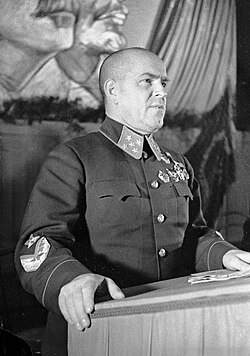
Georgy Konstantinovich Zhukov stands as one of the most influential military figures of the 20th century. A strategist of unmatched tenacity, he rose from the ranks of the Russian Imperial Army to become a Marshal of the Soviet Union, playing a pivotal role in the defeat of Nazi Germany during World War II. Known as the "Marshal of Victory," Zhukov was the primary architect behind some of the Red Army's most decisive triumphs.
Throughout his career, Zhukov served in several high-ranking capacities, including Chief of the General Staff, Minister of Defence, and a member of the Presidium of the Central Committee of the Communist Party (the Politburo). His relationship with Joseph Stalin was complex, characterized by periods of absolute trust and sudden political fallout.
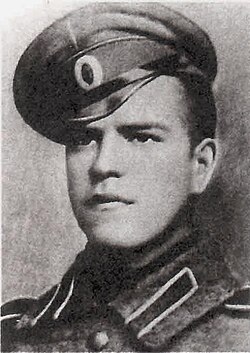
Key Facts
- Highest Rank: Marshal of the Soviet Union (promoted January 18, 1943).
- Major Victories: Oversaw the defense of Moscow and Stalingrad, the Battle of Kursk, and the final assault on Berlin.
- Historic Milestone: Chosen to accept the German Instrument of Surrender in 1945.
- Key Awards: Four-time Hero of the Soviet Union and two-time recipient of the Order of Victory.
- Post-War Role: Served as the first Military Governor of Soviet Occupied Germany.
Early Life and Rise Through the Ranks
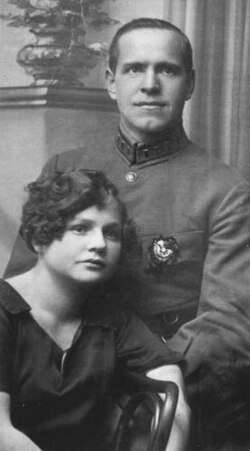
Born on December 1, 1896, in Strelkovka, Kaluga Governorate, Zhukov began his military journey in the Imperial Russian Army during World War I. Following the revolution, he transitioned into the Soviet Red Army, where he specialized in cavalry command during the 1920s.
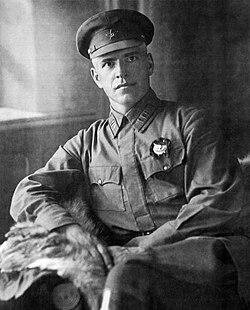
Zhukov's professional development was marked by a commitment to formal education; he attended the Higher School of Cavalry from 1924 to 1925. His early leadership capabilities were further cemented during the Russian Civil War and the Tambov Rebellion.
The Conflict at Khalkhin Gol
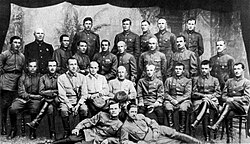
Before the outbreak of World War II in Europe, Zhukov gained international attention during the Soviet-Japanese border conflict. His leadership at the Battle of Khalkhin Gol demonstrated his ability to coordinate complex maneuvers and logistics, earning him the title of Hero of the Mongolian People's Republic.
World War II: The Eastern Front
In the lead-up to the German invasion, Zhukov served as Chief of the General Staff and Deputy Minister of Defense. He was involved in drafting the strategic deployment plans for the Soviet Union. While some historians have theorized about a preemptive attack plan presented to Stalin in May 1941, Zhukov later stated that Stalin did not approve such a plan.
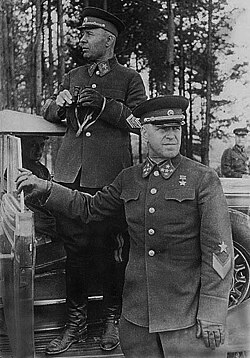
Following the German invasion in June 1941, Zhukov initially lost his post as chief of staff due to disagreements with Stalin regarding the defense of Kiev. However, his expertise was indispensable, and he was soon brought back to coordinate the defense of the Soviet heartland.
Turning the Tide: Stalingrad and Kursk
In August 1942, Zhukov was appointed deputy commander-in-chief, reporting directly to Stalin. He was dispatched to the southwestern front to organize the defense of Stalingrad, where he and Aleksandr Vasilevsky planned the massive counteroffensive that turned the tide of the war. He later coordinated the Leningrad and Volkhov Fronts during Operation Iskra in early 1943.
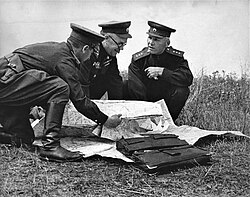
Zhukov's strategic brilliance was further displayed during the Battle of Kursk and the subsequent Operation Bagration in 1944, a massive offensive that cleared German forces from Belarus and paved the way for the advance into Central Europe.
The Fall of Berlin and German Surrender
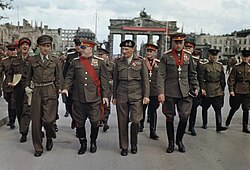
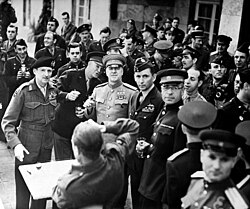
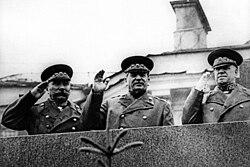
In 1945, Zhukov commanded the 1st Belorussian Front during the Vistula–Oder Offensive. This campaign culminated in the Battle of Berlin, where Zhukov oversaw the final defeat of the Third Reich. Because of his central role in the victory, he was selected to sign the German Instrument of Surrender and lead the 1945 Moscow Victory Parade.
Post-War Career and Political Decline
Immediately following the war, Zhukov served as the Military Governor of the Soviet occupation zone in Germany. During this tenure, he implemented resolutions to restore public services and ensure food and milk supplies for the civilian population.
Despite his military success, Zhukov's popularity and perceived ego led to friction with the Soviet leadership. He was accused of political unreliability and hostility toward the Party Central Committee, leading to his removal as commander-in-chief and his relocation to the Urals Military District.
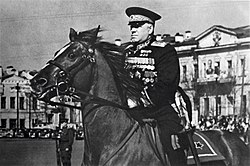
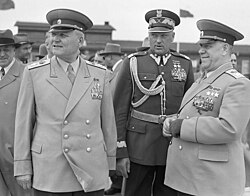
After Stalin's death in 1953, Zhukov briefly returned to the center of power, helping to arrest Lavrentiy Beria and serving as Minister of Defence from 1955 to 1957. However, he eventually fell out of favor with Nikita Khrushchev and was forced into retirement.
Later Years and Legacy
In retirement, Zhukov became a public figure through his memoirs, published in 1969, which became a massive best-seller. He spent his final years in relative peace, passing away on June 18, 1974, at the age of 77. He was interred in the prestigious Kremlin Wall Necropolis.
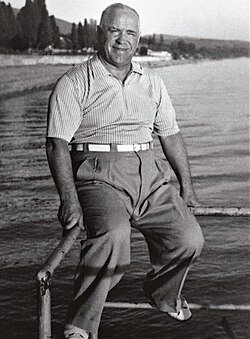
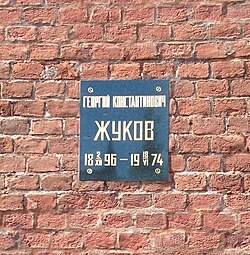
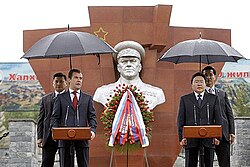
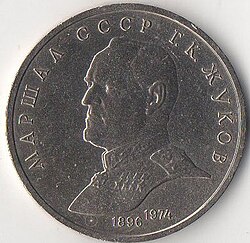
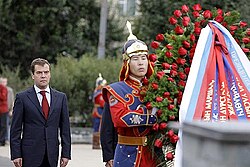
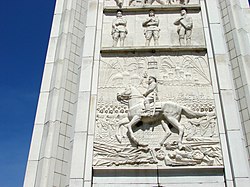
Zhukov's legacy is preserved through numerous monuments, including a house museum in Ulaanbaatar, Mongolia, and the Order of Zhukov established by Russia in 1996. He is also honored in astronomy, with the minor planet 2132 Zhukov named in his memory.
| Period | Role/Position | Key Achievement/Event |
|---|---|---|
| 1915–1920s | Cavalry Officer | Service in WWI and Russian Civil War |
| 1939 | Commander | Victory at Battle of Khalkhin Gol |
| 1941–1945 | Deputy Commander-in-Chief | Defense of Moscow, Stalingrad, and Capture of Berlin |
| 1945–1946 | Military Governor | Administration of Soviet Occupied Germany |
| 1955–1957 | Minister of Defence | Post-Stalin military leadership |
Frequently Asked Questions
Why was Georgy Zhukov called the "Marshal of Victory"?
He earned this nickname because he was the primary Soviet commander responsible for the most critical victories of World War II, including the defense of Moscow and the final capture of Berlin.
What was Zhukov's relationship with Joseph Stalin?
Their relationship was volatile. While Stalin relied on Zhukov's brilliance during crises, he also feared Zhukov's popularity and prestige, leading to several instances where Zhukov was demoted or exiled to remote military districts.
Did Zhukov serve in any conflicts outside of World War II?
Yes, he served in World War I, the Russian Civil War, the Tambov Rebellion, and the Soviet-Japanese border conflict at Khalkhin Gol.
What happened to Zhukov after the war?
He served as the military governor of occupied Germany and later as Minister of Defence, but he was eventually pushed out of power by Nikita Khrushchev and spent his final years in retirement writing his memoirs.
How is Zhukov remembered today?
He is remembered as a national hero in Russia, with monuments dedicated to him in Russia and Mongolia, and a commemorative medal and order named in his honor.