George VI: The Reluctant King Who Led Britain Through War
George VI was a monarch who never expected to wear the crown. Born as the second son of King George V, his life was defined by a sense of duty, a struggle with a speech impediment, and the immense pressure of leading the British Empire through its darkest hour during the Second World War. From his early days as a naval cadet to his role as a symbol of national resilience, George VI transformed from a shy prince into a beloved king.
His reign, which lasted from 1936 to 1952, marked a pivotal transition in global history. He oversaw the dissolution of the British Raj and the evolution of the British Empire into the modern Commonwealth, ensuring the monarchy remained relevant in a rapidly changing geopolitical landscape.
Key Facts
- Reign: 11 December 1936 – 6 February 1952.
- Titles: King of the United Kingdom and the British Dominions, last Emperor of India, and first Head of the Commonwealth.
- Family: Married Elizabeth Bowes-Lyon; father to Queen Elizabeth II and Princess Margaret.
- Military Service: Served in both the Royal Navy and the Royal Air Force during World War I.
- Legacy: Founded the George Cross and George Medal for civilian bravery.
Early Life and Education
Born Prince Albert Frederick Arthur George on 14 December 1895 at York Cottage, Sandringham, he was named after his great-grandfather, Prince Albert of Saxe-Coburg and Gotha. Known affectionately as "Bertie" by his family, he grew up in the shadow of his elder brother, Edward, the heir apparent.
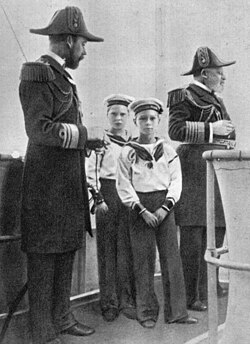
Albert's education was rooted in military discipline. In 1909, he entered the Royal Naval College, Osborne, as a naval cadet. Although he struggled academically—coming bottom of his class in his final examinations in 1911—he continued his training at the Royal Naval College, Dartmouth.
Military Career and Personal Struggles
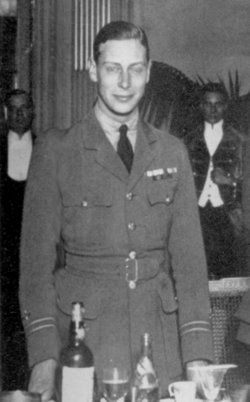
During the First World War, Albert served with distinction in the Royal Navy and the Royal Air Force. His commitment to service was a cornerstone of his character. In 1920, he was created the Duke of York.
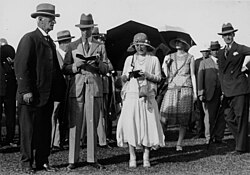
Beyond his public duties, the Duke faced a significant personal challenge: a persistent stutter. To manage this, he engaged speech therapist Lionel Logue in the mid-1920s. Through dedicated work with Logue, he learned to manage his speech, a skill that would prove vital when he eventually ascended the throne.
The Path to the Throne
The trajectory of Albert's life changed forever in 1936. Following the death of their father, George V, his brother ascended as Edward VIII. However, Edward chose to abdicate the throne later that year to marry Wallis Simpson, a twice-divorced American socialite. This unexpected turn of events made Albert the heir presumptive, and he ascended the throne as King George VI on 11 December 1936.
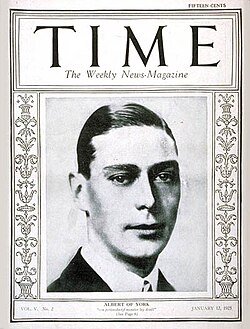
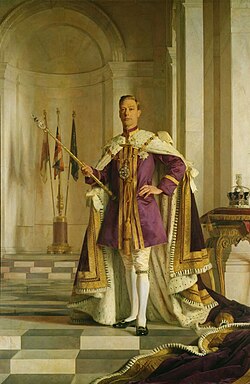
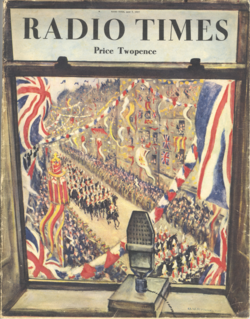
His coronation took place on 12 May 1937. This event was a milestone in media history, as it was the first coronation to be broadcast live via radio and partially televised.
Leadership During World War II
George VI's reign was dominated by the Second World War. Following the invasion of Poland in 1939, the United Kingdom and most Commonwealth nations declared war on Nazi Germany, followed by Italy and Japan. Unlike previous monarchs, George VI was perceived as sharing the hardships of the common people.
The King and Queen remained in London during the Blitz, and Buckingham Palace was bombed while they were in residence. The war also brought personal tragedy when the King's younger brother, the Duke of Kent, was killed on active service. These experiences solidified George VI as a symbol of British determination and steadfastness.
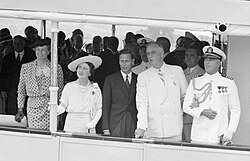
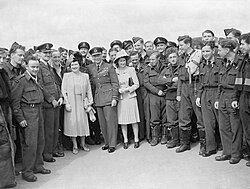
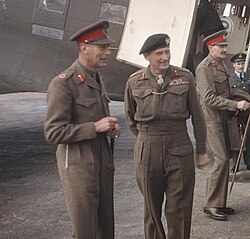
Throughout the conflict, the King visited front lines and military personnel, maintaining high morale across the nation and the empire.
From Empire to Commonwealth
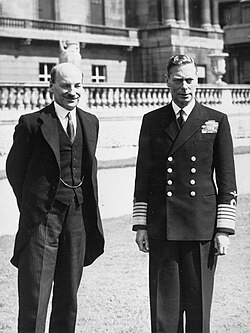
The aftermath of the war saw the decline of the British Empire. Ireland had already largely broken away, and in 1947, India and Pakistan gained their independence. George VI relinquished the title of Emperor of India in June 1948.
In 1949, following the London Declaration, he became the first Head of the Commonwealth, a title that reflected a new era of voluntary association between equal nations rather than imperial rule.
Illness, Death, and Legacy
The stresses of the war and lifelong smoking-related health issues took a toll on the King. On 31 January 1952, he made his final public appearance at London Airport to see his daughter, Elizabeth, and son-in-law, Philip, depart for a tour of Australia.
George VI was found dead in his bed at Sandringham House on 6 February 1952, having suffered a coronary thrombosis at the age of 56. He was succeeded by his eldest daughter, Elizabeth II.
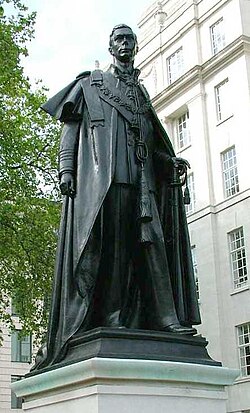
His legacy lives on through the George Cross and George Medal, established to honor exceptional civilian bravery. He was also posthumously awarded the Order of Liberation by the French government in 1960.
| Category | Details |
|---|---|
| Full Name | Albert Frederick Arthur George |
| Reign | 1936–1952 |
| Spouse | Elizabeth Bowes-Lyon |
| Children | Elizabeth II, Princess Margaret |
| Key Conflict | World War II |
| Major Transition | Empire to Commonwealth |
| Cause of Death | Coronary thrombosis |
Frequently Asked Questions
Why was George VI called the "reluctant king"?
He was the second son and was never intended to inherit the throne. He only became king after his elder brother, Edward VIII, abdicated in 1936 to marry Wallis Simpson.
How did George VI deal with his stutter?
He worked with a speech therapist named Lionel Logue in the mid-1920s, which helped him manage his speech impediment and deliver public addresses more effectively.
What was George VI's role during World War II?
He served as a symbol of national resilience and determination. He and the Queen stayed in London during the Blitz, and he frequently visited troops and civilians to boost morale.
What happened to the title of Emperor of India?
Following the independence of India and Pakistan in 1947, George VI relinquished the title of Emperor of India in June 1948, eventually becoming the first Head of the Commonwealth.
Where is King George VI buried?
He is interred in the King George VI Memorial Chapel at St George's Chapel, Windsor Castle, alongside Queen Elizabeth the Queen Mother, Princess Margaret, Queen Elizabeth II, and Prince Philip.