Mary of Teck: The Steadfast Queen Consort of George V
Mary of Teck served as the Queen consort of the United Kingdom and the British Dominions, and the Empress consort of India, from 1910 until 1936. Known for her strong character and unwavering sense of duty, she was the wife of King George V and a pivotal figure in the British monarchy during a period of immense global upheaval.
Throughout her tenure, Mary provided critical support to her husband during the First World War and his subsequent health struggles. Her influence extended beyond her marriage; she navigated the complexities of the throne as a Queen Mother to two different kings, witnessing the abdication of her eldest son and the steady reign of her second. Her life was marked by a transition from a minor royal status to the pinnacle of imperial power.
Key Facts
- Full Name: Victoria Mary Augusta Louise Olga Pauline Claudine Agnes.
- Tenure: Queen consort from 6 May 1910 to 20 January 1936.
- Spouse: King George V.
- Children: Six children, including Kings Edward VIII and George VI.
- Notable First: The first British queen consort born in Britain since Catherine Parr in 1543.
- Death: Passed away on 24 March 1953, aged 85.
Early Life and Royal Lineage
Born on 26 May 1867 at Kensington Palace, Mary was born in the same room as her first cousin once removed, Queen Victoria. While she was a great-grandchild of George III, Mary occupied a lower social tier within the royal hierarchy. Her father, Francis, Duke of Teck, was born of a morganatic marriage (a marriage between people of unequal social rank which prevents the spouse and children from inheriting titles or privileges), meaning he carried the lower style of Serene Highness.
Financial instability plagued her early years; Prince Francis was deeply in debt, leading the family to travel across Europe to economize. During their time in Florence, Italy, Mary developed a passion for art and museums and became fluent in English, German, and French.
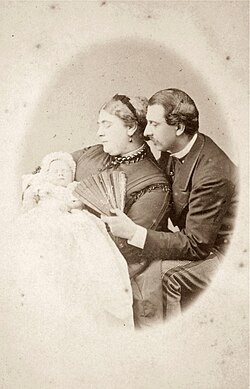
Upon returning to London in 1885, Mary became a close confidante and unofficial secretary to her mother, Princess Mary Adelaide of Cambridge, assisting with the organization of high-society events.
Royal Engagements and Marriage
As the only unmarried British princess not descended from Queen Victoria, Mary was seen as an ideal match for the royal family's most eligible bachelors. In December 1891, she accepted a proposal from Prince Albert Victor, Duke of Clarence and Avondale. However, tragedy struck when Albert Victor died six weeks later during a global pandemic.
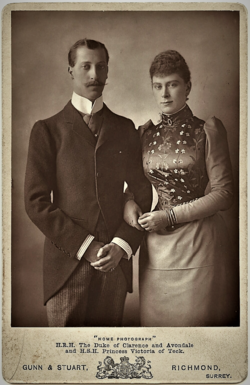
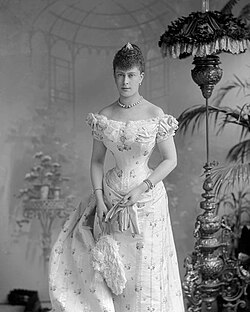
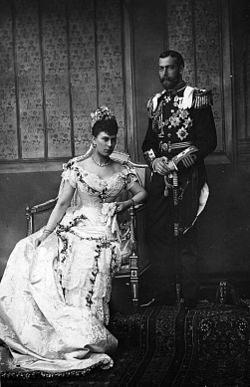
During their shared mourning, Mary grew close to Albert Victor's brother, Prince George, Duke of York. Encouraged by Queen Victoria and a public eager for a settled succession, George proposed in May 1893. Their marriage, which took place on 6 July 1893, was characterized by deep affection and loyalty.
Life as Duchess and Princess of Wales
The couple resided at York Cottage on the Sandringham Estate and apartments at St James's Palace. Together, they had six children: Edward, Albert, Mary, Henry, George, and John. Mary was active in public service, notably becoming the patron of the London Needlework Guild, where she contributed her own embroidery skills.
Following the death of Queen Victoria in 1901, George and Mary embarked on an unprecedented eight-month tour of the British Empire, visiting regions including Canada, Australia, New Zealand, South Africa, and Singapore.
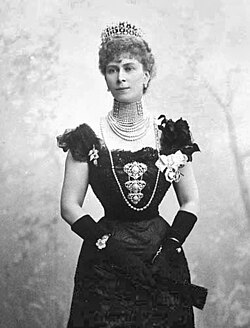
In November 1901, George was created Prince of Wales, and the family moved to Marlborough House. Mary's final pregnancy in 1905 was difficult, and her son John suffered from respiratory problems from birth.
The Reign of Queen Mary
Mary ascended to the throne as Queen consort on 6 May 1910. At her husband's request, she dropped the name Victoria to avoid confusion with her predecessor, choosing to be known simply as Mary. Her coronation took place on 22 June 1911, followed by the Imperial Durbar in Delhi on 12 December 1911, where she served as Empress of India.
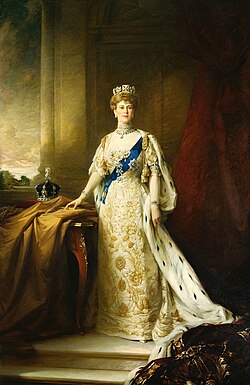
Throughout the 1920s, Mary became the primary caregiver for George V as he suffered from severe lung problems. Her devotion was so significant that his physician, Sir Farquhar Buzzard, credited her with saving the King's life. In 1935, the couple celebrated their silver jubilee, with George V publicly acknowledging the immense debt he owed to his wife.
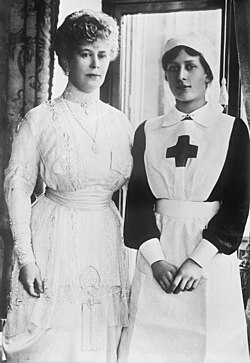
The Queen Mother and Final Years
After George V's death in January 1936, Mary became the Queen Mother. This period was marked by turmoil, including the abdication of her eldest son, Edward VIII, to marry Wallis Simpson. Mary subsequently supported her second son, George VI, throughout his reign.
During the Second World War, Mary actively supported the war effort by visiting factories and troops, and even offering lifts to soldiers on the road. She suffered the loss of her son, the Duke of Kent, in a 1942 air crash.
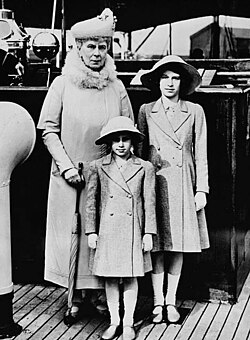
Mary died in her sleep at Marlborough House on 24 March 1953, at the age of 85. She passed away just ten weeks before the coronation of her granddaughter, Elizabeth II, having requested that the ceremony not be postponed on her account. She is buried beside her husband in St George's Chapel, Windsor Castle.
Summary of Queen Mary's Life
| Category | Details |
|---|---|
| Born | 26 May 1867, Kensington Palace, London |
| Died | 24 March 1953, Marlborough House, London |
| Spouse | George V (m. 1893) |
| Titles | Queen consort of the UK, Empress consort of India |
| Children | 6 (Edward VIII, George VI, Mary, Henry, George, John) |
| Burial Site | St George's Chapel, Windsor Castle |
Frequently Asked Questions
Why was Mary of Teck considered a 'minor' member of the royal family?
Despite being a great-grandchild of George III, her father's marriage was morganatic, which meant he did not inherit the full titles or wealth associated with his rank, leaving Mary with a lower royal style than other British princesses.
Who was Mary of Teck originally engaged to?
She was first engaged to Prince Albert Victor, Duke of Clarence and Avondale, the eldest son of the Prince of Wales. He died of a pandemic six weeks after the engagement.
What was Mary's role during the Second World War?
As Queen Mother, she visited troops and factories, directed the collection of scrap materials for the war effort, and provided transport to soldiers she encountered on the roads.
How did Mary's relationship with George V differ from previous royal marriages?
Their marriage was noted for being a genuine success and based on deep love. Unlike his father, King George V never took a mistress and wrote to Mary every day they were apart.
What happened to Mary's children?
Mary had six children. Her eldest, Edward VIII, abdicated the throne. Her second son, George VI, became King. She was predeceased by three of her sons, including the Duke of Kent, who died in an air crash.