George H. W. Bush: A Legacy of Public Service and Global Leadership
George Herbert Walker Bush served as the 41st President of the United States, leaving an indelible mark on both domestic policy and international diplomacy. From his early days as a naval aviator in World War II to his tenure as Vice President and eventually the presidency, Bush's career was defined by a commitment to public service and a steady hand during some of the most volatile transitions in global history.
His journey to the White House was not a direct path but a comprehensive climb through the ranks of American intelligence, diplomacy, and legislative governance. He is remembered as a leader who navigated the end of the Cold War and the reunification of Germany with a cautious, pragmatic approach to power.
Key Facts
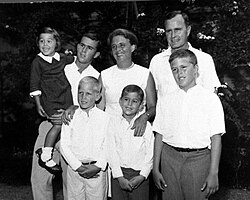
- Presidency: Served as the 41st U.S. President from 1989 to 1993.
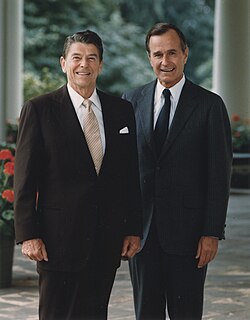
- Vice Presidency: Served as the 43rd Vice President under Ronald Reagan (1981–1989).
- Military Service: Lieutenant in the U.S. Navy during World War II, earning the Distinguished Flying Cross.
- Intelligence: Served as the 11th Director of Central Intelligence (1976–1977).
- Diplomacy: Former U.S. Ambassador to the United Nations and Chief of the U.S. Liaison Office to China.
- Major Legislation: Signed the Americans with Disabilities Act of 1990.
Early Life, Education, and Military Service
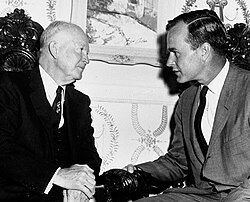
Born on June 12, 1924, George H. W. Bush spent much of his youth in Kennebunkport, Maine. He attended Phillips Academy and later graduated from Yale University with a Bachelor of Arts degree.
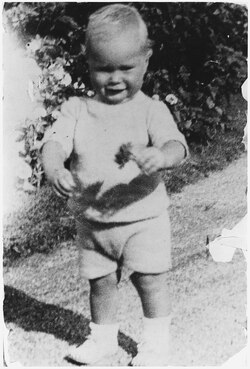

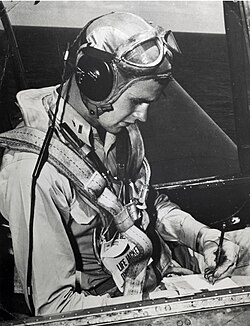
During World War II, Bush joined the United States Navy, serving as a Lieutenant in the Fast Carrier Task Force. He flew the Grumman TBM Avenger in the Pacific War, where his bravery earned him the Distinguished Flying Cross and three Air Medals.
The Ascent Through Public Service
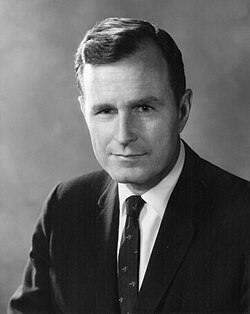
Before reaching the executive branch, Bush built a diverse resume in politics and diplomacy. He served as a member of the U.S. House of Representatives for Texas's 7th district from 1967 to 1971. His subsequent roles saw him operating at the highest levels of international relations.
Bush served as the 10th U.S. Ambassador to the United Nations under Richard Nixon and later as the 42nd Chair of the Republican National Committee. He also played a pivotal role in opening relations with the People's Republic of China as the 2nd Chief of the U.S. Liaison Office.
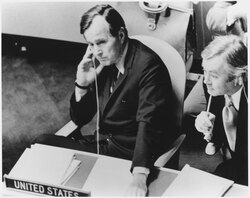
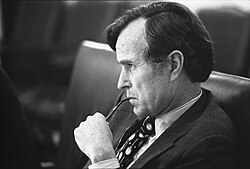
In 1976, President Gerald Ford appointed him as the 11th Director of Central Intelligence (DCI), the head of the U.S. foreign intelligence service, a role he held until 1977.
Vice Presidency and the 1980 Election
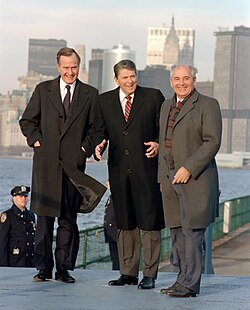
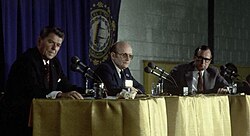
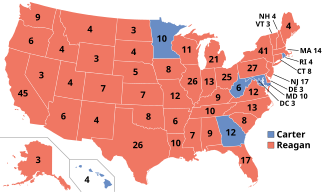
Bush entered the national spotlight as Ronald Reagan's running mate in the 1980 presidential election. The Reagan-Bush ticket won with 50.7% of the popular vote, leading to Bush's tenure as the 43rd Vice President of the United States from 1981 to 1989.
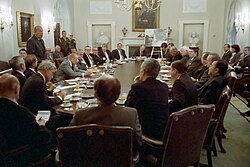
During his eight years as Vice President, Bush remained a close advisor to Reagan, participating in critical discussions regarding national security and foreign interventions, including the 1983 invasion of Grenada.
The Presidency (1989–1993)
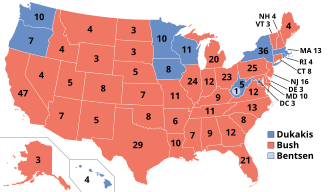
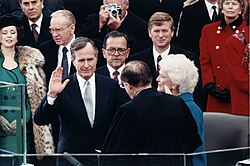
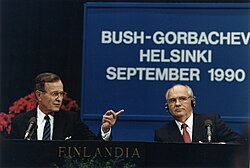
Inaugurated on January 20, 1989, President Bush's term was characterized by seismic shifts in the global order. He presided over the end of the Cold War, maintaining a strategic relationship with Soviet leader Mikhail Gorbachev to ensure a peaceful transition as the Soviet Union dissolved.
Foreign Policy and Global Conflict
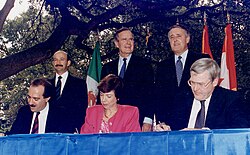
Bush's foreign policy was marked by decisive action. He led the U.S. response to the Iraqi invasion of Kuwait in the Gulf War (1990–1991) and authorized the invasion of Panama. He also focused on economic integration, initiating the North American Free Trade Agreement (NAFTA) to reduce trade barriers between the U.S., Canada, and Mexico.
Domestic Policy and Social Impact
Domestically, Bush is most noted for signing the Americans with Disabilities Act (ADA) of 1990, a landmark civil rights law that prohibited discrimination against individuals with disabilities. He also promoted the "Points of Light" initiative, which encouraged volunteerism and community service.
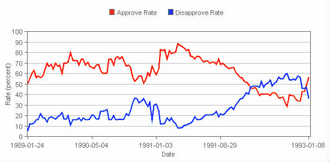
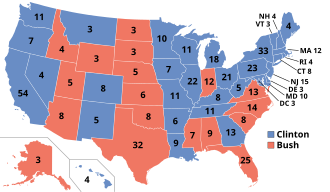
Despite these achievements, his presidency faced challenges. Economic fiscal issues and a dip in approval ratings contributed to his defeat in the 1992 election by Bill Clinton.
Post-Presidency and Final Years
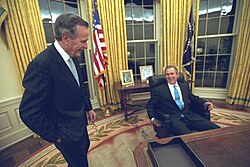
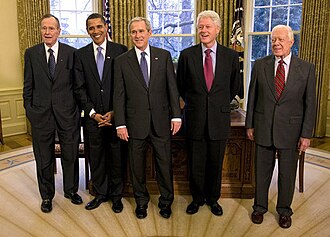
After leaving office, Bush remained a respected elder statesman. He witnessed his son, George W. Bush, become the 43rd President in 2001. He spent his later years focused on family and philanthropy, often appearing alongside other former presidents in acts of national unity.
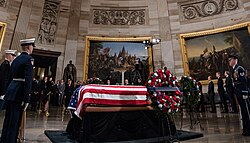
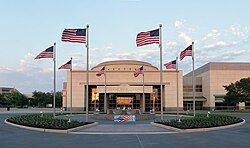
George H. W. Bush passed away on November 30, 2018, at the age of 94. He is interred at the George H. W. Bush Presidential Library and Museum in College Station, Texas.
| Role | Period | Key Focus/Achievement |
|---|---|---|
| U.S. Representative | 1967–1971 | Texas's 7th district |
| UN Ambassador | 1971–1973 | International diplomacy |
| Director of Central Intelligence | 1976–1977 | U.S. Intelligence oversight |
| Vice President | 1981–1989 | Reagan Administration support |
| President | 1989–1993 | End of Cold War, Gulf War, ADA |
Frequently Asked Questions
What was George H. W. Bush's role in World War II?
Bush served as a Lieutenant in the United States Navy, flying a Grumman TBM Avenger in the Pacific War. He was awarded the Distinguished Flying Cross and three Air Medals for his service.
What is the Americans with Disabilities Act (ADA)?
The ADA is a landmark piece of civil rights legislation signed by President Bush in 1990 that prohibits discrimination against people with disabilities in all areas of public life, including jobs, schools, and transportation.
How did George H. W. Bush handle the end of the Cold War?
He worked closely with Soviet leader Mikhail Gorbachev, using a pragmatic and cautious diplomatic approach to manage the dissolution of the Soviet Union and the reunification of Germany without triggering a global conflict.
What was the Gulf War?
The Gulf War (1990–1991) was a conflict initiated by President Bush to liberate Kuwait after it was invaded by Iraq. The operation was a coalition effort that successfully expelled Iraqi forces from Kuwait.
Who succeeded George H. W. Bush as President?
George H. W. Bush was succeeded by Bill Clinton after losing the 1992 presidential election.