Geneva: A Global Hub of Diplomacy, Culture, and History
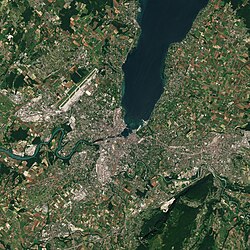
Nestled at the southwestern tip of Lake Geneva, Geneva is a city where international diplomacy meets a rich tapestry of scientific and religious history. Known globally as a center for peace and humanitarianism, this Swiss city balances its role as a host to major international organizations with a vibrant local culture and a stunning natural landscape.
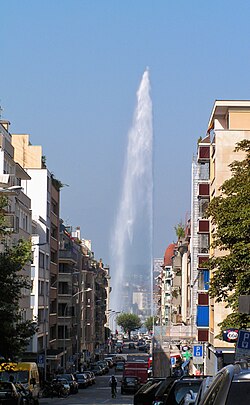
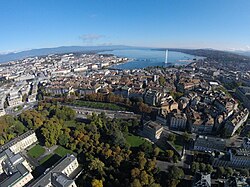
From the towering Jet d'eau to the halls of the United Nations, Geneva serves as a bridge between nations. Its unique geography, bordered by France and defined by the confluence of the Rhône and Arve rivers, has shaped its development into one of the most influential cities in Europe.
Key Facts
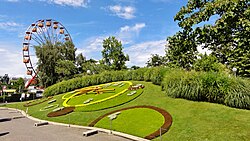
- Population: 203,856 (as of December 2020).
- Area: 15.86 km² (6.12 sq mi).
- Elevation: Ranges from 370 m to 457 m.
- Key Landmarks: Palais des Nations, Jet d'eau, and the Reformation Wall.
- Global Role: Headquarters for the Red Cross and the World Intellectual Property Organization.
Geography and Climate
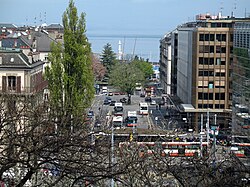
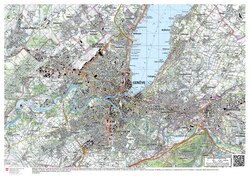
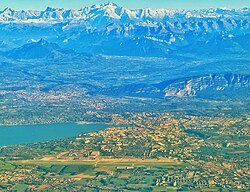
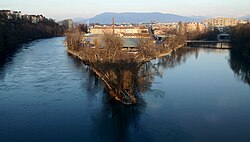
Geneva is situated in a strategic valley, with the Jura mountain chain to the north and the Mont Blanc range providing a dramatic backdrop to the south. The city's landscape is defined by its water bodies, most notably the point where the Rhône and Arve rivers meet.
The climate is temperate, characterized by distinct seasonal shifts. Summer temperatures typically peak in July, while winters can be cold, with record lows reaching -20.0°C. Precipitation is distributed throughout the year, with a notable increase during the autumn months.
![Average temperature and precipitation 1961–1990[32]](/images/a6/54/a6541093d50fddaeaf412bb02ebbc6a49b07f05c03837b70f03621d100ff38be.png)
Governance and Urban Infrastructure
The city is managed through a structured administrative system. For the 2020–2025 mandate, the administration is divided into several key departments:
- Planning, Construction, and Mobility
- Security and Sport
- Culture and Digital Change
- Finance, Environment, and Housing
- Social Cohesion and Solidarity
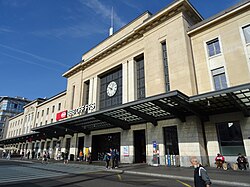
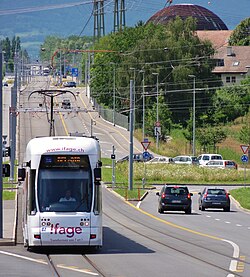
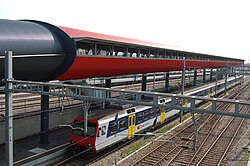
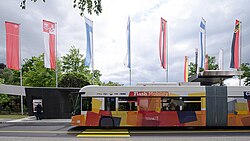
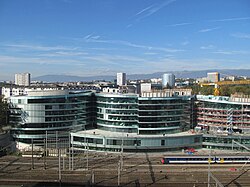
Mobility in Geneva is highly efficient, utilizing a network of railway stations including the main Geneva railway station and the Sécheron station. The city also employs modern transit solutions such as the TCMC (Tramway Cornavin – Meyrin – CERN) and the TOSA Bus system.
Sustainability and Energy
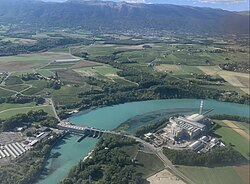
Geneva invests heavily in green infrastructure. Notable examples include the SIG-owned incinerator of Cheneviers, the Verbois dam, and extensive solar farms, reflecting a commitment to environmental sustainability.
Cultural and Historical Heritage
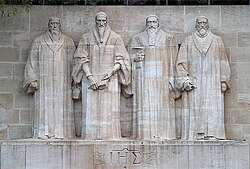
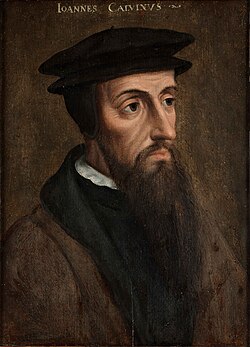
Geneva's identity is deeply rooted in the Protestant Reformation. The city was a focal point for theologians like John Calvin, whose influence is still visible today at the Reformation Wall, which commemorates figures such as William Farel, Theodore Beza, and John Knox.
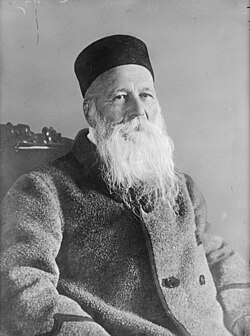
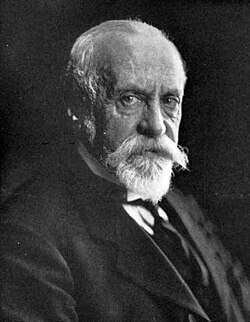
Beyond religion, the city is a beacon of humanitarianism. Henry Dunant, the founder of the Red Cross and the first recipient of the Nobel Peace Prize in 1901, remains one of the city's most revered figures.
Education and Intellectual Life
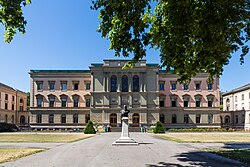
The city is a center for higher learning, home to the University of Geneva and the Geneva Graduate Institute. These institutions have attracted thinkers and scholars for centuries, contributing to the city's reputation as an intellectual crossroads.
International Diplomacy
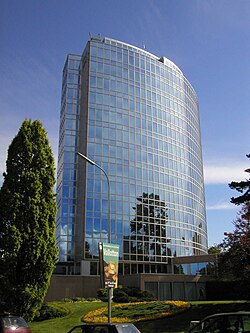
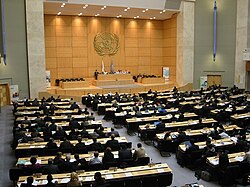
Geneva is perhaps most famous for its role in global governance. The Palais des Nations serves as the European headquarters of the United Nations, while the World Intellectual Property Organization (WIPO) manages global innovation rights.
Notable Residents and Figures
Throughout history, Geneva has been home to a diverse array of influential people, from philosophers and scientists to artists and athletes.
| Name | Field | Contribution/Note |
|---|---|---|
| John Calvin | Theology | Influential Reformer |
| Henry Dunant | Humanitarianism | Founder of the Red Cross |
| Jean-Jacques Rousseau | Philosophy | Writer and Philosopher |
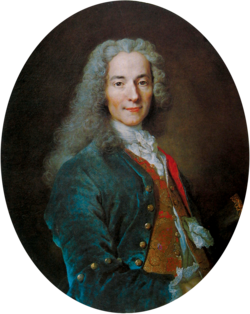
| Voltaire | Literature | French Philosopher and Historian |
| Jean Piaget | Psychology | Devised genetic epistemology |
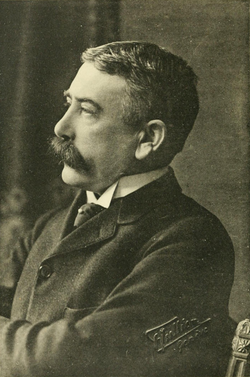
| Ferdinand de Saussure | Linguistics | Semiotician |
Frequently Asked Questions






What is the population of Geneva?
As of December 2020, the population of Geneva was 203,856 residents.
Which major international organizations are based in Geneva?
Geneva hosts the United Nations (Palais des Nations), the International Committee of the Red Cross (ICRC), and the World Intellectual Property Organization (WIPO).
Who is the most influential religious figure in Geneva's history?
John Calvin was a highly influential theologian and reformer who shaped the city's religious and social landscape during the Reformation.
What are the main transportation options in the city?
The city is served by the Geneva railway station, the Sécheron station, the TCMC tramway, and the TOSA bus system.
What is the significance of the Reformation Wall?
The Reformation Wall is a monument that honors the key figures of the Protestant Reformation, including William Farel, John Calvin, Theodore Beza, and John Knox.