Consistories in Protestantism: History, Governance, and Denominational Roles
In the context of Protestantism, a consistory refers to a ruling body within various church structures. However, the specific meaning, scope, and function of a consistory vary significantly depending on the denomination and the specific church body in question.
Historically, these bodies emerged as successors to the courts of Roman Catholic bishops rather than the papal consistory in Rome. Starting in 1539, they were primarily used to manage jurisdiction over marital matters and church discipline. In the Holy Roman Empire, where episcopal offices were often vacant in Lutheran or Reformed states, the secular government assumed the role of the bishop (known as the summepiscopate), with consistories acting as the administrative arm of this authority.
Key Facts
- Diverse Roles: Consistories can function as local church boards, regional administrative offices, or national governing bodies.
- Historical Shift: Many churches abandoned the term after the separation of church and state to distance themselves from the body's governmental origins.
- Denominational Variance: In Reformed traditions, they often focus on local discipline; in Lutheran traditions, they typically handle regional administration.
- French Influence: Napoleon's Organic Articles established consistories as representative bodies to facilitate government communication with non-Catholic religious groups.
Denominational Applications of the Consistory
Anglican Usage
Within Anglican churches, the consistory serves as the diocesan court. This body is typically presided over by the bishop's commissary or chancellor. It manages various diocesan-level issues, and its rulings are subject to appeal in higher national church courts.
Lutheran and United Churches
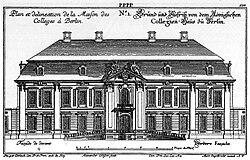
In the Lutheran tradition, a consistory governs ecclesiastical affairs within a specific territory. This may encompass an entire church body, a consistorial district (Konsistorialbezirk), or an ecclesiastical province. In churches with a congregational polity, the term may refer to both the governing body and the geographical area it administers.
The Wittenberg Consistory, established in 1539 by Martin Luther and his associates, serves as a primary historical example. While it began as an ecclesiastical court for the Saxon Electoral District, it evolved into an administrative body appointed by the sovereign to supervise the state church.

Historically, these bodies often merged executive and judicial powers, consisting of both clergy and jurisprudents. Over time, many of these consistories became the foundation for modern, independent regional church bodies.
Reformed (Calvinist) Usage
In the Reformed tradition, the consistory is the primary authority of the local church. It is generally composed of teaching elders (ministers) and ruling elders (lay leaders). Their responsibilities include implementing synod policies and overseeing church discipline.
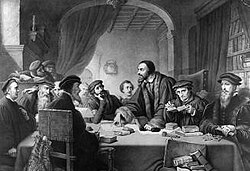
John Calvin was instrumental in this model, drafting the ecclesiastical ordinances in November 1541 to create the Consistory of Geneva. This body consisted of paid pastors and twelve lay commissioners who monitored the conduct of citizens. By 1555, the power of excommunication was added to its authority, with roughly one-fifteenth of the adult population summoned annually for behavioral examinations.
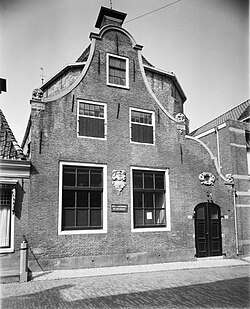
In the Netherlands, congregations within the Protestant Church in the Netherlands often refer to their local church councils as the consistorial chamber (consistoriekamer).
Regional and National Examples
France and the Border Regions
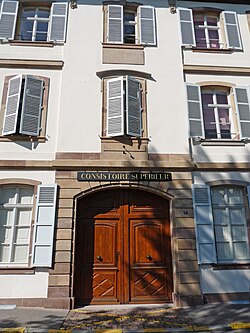
Under the French Organic Articles, the Lutheran Protestant Church of the Augsburg Confession of Alsace and Lorraine (EPCAAL) and the Protestant Reformed Church of Alsace and Lorraine (EPRAL) utilize consistories as religious statutory law corporations. These bodies hold their own property and are composed of pastors and elected laypersons.
Modern Administrative Use
Several modern churches continue to use the term for their central administrative offices, including:
- The Evangelical Church of Berlin-Brandenburg-Silesian Upper Lusatia (EKBO).
- The Evangelical Lutheran Church of Latvia.
- The Protestant Church of Luxembourg.
- The Estonian Evangelical Lutheran Church.
- The Evangelical Lutheran Church in European Russia.
The Transition to Regional Church Offices
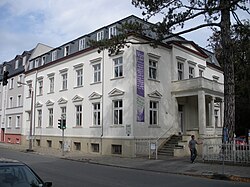
Due to the governmental nature of the term, many European churches renamed their consistories during the 20th century as they moved toward independence from the state. Many were renamed Landeskirchenamt (Regional Church Office) or Landeskirchenrat (Regional Church Council).
| Former Consistory Name | New Designation | Year of Change |
|---|---|---|
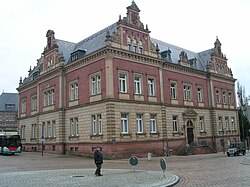
| Speyer Consistory | Landeskirchenrat | 1921 |
| Hanover Landeskonsistorium | Landeskirchenamt | 1924 |
| Hesse-Cassel Konsistorium | Landeskirchenamt | 1924 |
| Church of Lippe Consistory | Landeskirchenamt | 1931 |
| Rhineland Evangelisches Konsistorium | Landeskirchenamt | 1948 |
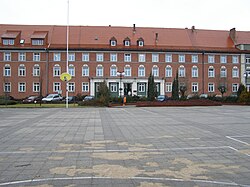
| Pomeranian Consistory (PEK) | Pomeranian Church District Administration | 2012 |
Membership and Leadership
The titles of consistory members vary by role and status. In German-speaking contexts, Konsistorialrat (consistorial councillor) and Konsistorialassessor (consistorial assessor) are common terms for both clergy and lay members.
Leadership is often split between a lay leader and a cleric. The lay leader, typically a legal expert, may be called a Konsistorialpräsident or Konsistorialdirektor. Clerical leaders may hold titles such as General Superintendent, Superintendent, or Provost.
Frequently Asked Questions
What is the primary difference between a Lutheran and Reformed consistory?
In the Lutheran tradition, a consistory is typically a regional or national administrative and governing body. In the Reformed tradition, it is generally the governing authority of a local congregation, focusing heavily on church discipline.
Why did many churches stop using the term "consistory"?
The term often carried a governmental or parastatal connotation. Following the separation of church and state, many denominations renamed these bodies to reflect their independence and ecclesiastical rather than civil nature.
What role did Napoleon play in the development of consistories?
Through the Organic Articles, Napoleon's government encouraged the creation of consistories for Protestants and Jews. This allowed the state to have a centralized representative body to communicate with and influence non-Catholic religious groups.
Who typically makes up a Reformed consistory?
A Reformed consistory is generally composed of all the teaching elders (ministers) and the ruling elders (lay leaders) of the local church.
What is the function of a consistory in the Anglican church?
In Anglicanism, the consistory acts as a diocesan court, handling legal and administrative issues at the diocesan level under the presidency of the bishop's chancellor or commissary.