Gated Communities: Global Trends, Features, and Social Impacts
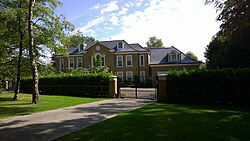
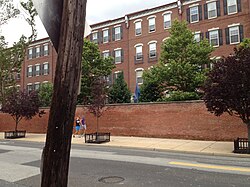
A gated community (also known as a walled community) is a residential housing estate characterized by strictly controlled access for pedestrians, bicycles, and automobiles. These developments are typically enclosed by a perimeter of walls or fences, creating a private enclave within a larger urban or suburban area. While they are a form of common interest development, they differ from intentional communities in their primary focus on security, exclusivity, and shared luxury.
Depending on their size, these communities vary in scope. Smaller developments may offer only a basic common area or park, while larger ones are designed as self-sufficient hubs where residents can conduct most of their daily activities without leaving the gates.
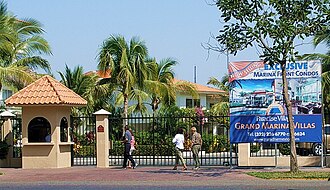
Key Facts
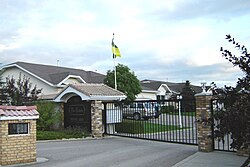
- Controlled Access: Defined by closed perimeters and monitored entrances.
- Guard-Gated: High-value properties or retirement villages often employ private security guards.
- Global Presence: While prevalent in the United States, they are found worldwide, from Argentina to Singapore.
- Social Impact: Anthropologists, such as Setha M. Low, suggest these enclaves may negatively affect the social capital of the surrounding broader community.
- Economic Drivers: Motivations for building include lifestyle preferences, prestige, and physical security.
Common Features and Amenities
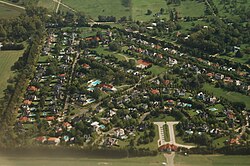
Gated communities often attract residents by offering a suite of shared facilities that enhance quality of life and property value. These amenities can range from basic recreational spaces to high-end luxury services.
Recreational and Wellness Facilities
- Swimming pools and spas
- Tennis courts and golf courses
- Exercise rooms with workout machines
- Bowling alleys and playgrounds
Community and Professional Spaces
- Community centers or clubhouses
- On-site dining options
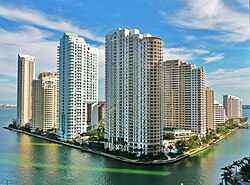
- Marinas for waterfront properties
- Coworking spaces for remote professionals
Economic Models of Gated Living
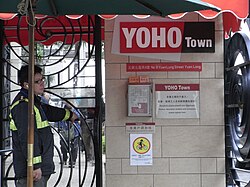
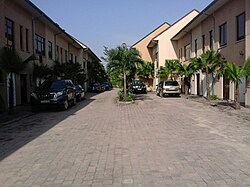
Not all gated communities are built for the same purpose. They generally fall into three primary economic and social categories:
- Life-style: Focused on leisure and specific demographics, such as country clubs or retirement developments.
- Prestige: Designed primarily for status appeal, where the gates serve as a symbol of exclusivity.
- Physical Security: Built specifically to mitigate crime and manage traffic flow.
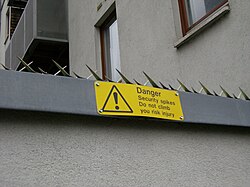
Global Perspectives on Gated Communities
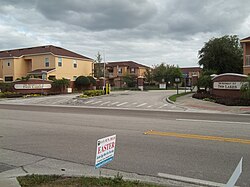
The implementation and perception of gated communities vary significantly across different countries, often reflecting local economic disparities or legal frameworks.
The Americas
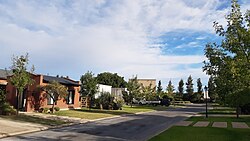
In the United States, gated communities are widespread. By 2009, the American Housing Survey indicated that 11 million households lived in such developments, with a significant concentration of new builds in California.
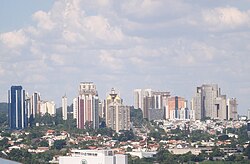
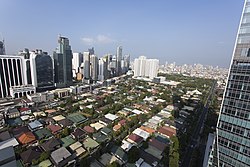
In Mexico, these communities are often a response to the stark income gap between urban and rural areas, providing a perceived security buffer for the middle class in cities like Mexico City, Monterrey, and Guadalajara.
Argentina has a long history of gated communities, particularly in Greater Buenos Aires and the suburb of Pilar. While the Tortugas Country Club dates back to the 1930s, a surge of development occurred in the 1990s.
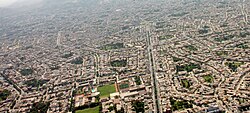
Asia and the Middle East
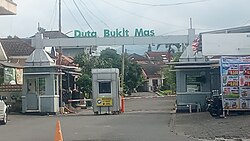
In Indonesia, gated communities range from affordable lots to luxurious estates. Interestingly, regulations often require that social facilities within these developments be handed over to the local government for public use.
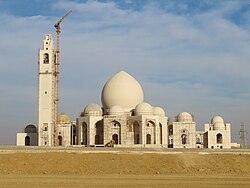
Pakistan sees high-end developments like Bahria Town, which are often more resilient to the energy and law enforcement issues facing the general public. Bahria Town Karachi is notable for constructing the Grand Jamia Mosque, intended to be the third-largest in the world.
Singapore maintains a very strict approach; Sentosa Cove is the only gated residential community in the country and the only landed housing available for purchase by non-citizens.
Europe and Other Regions
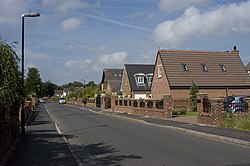
In the United Kingdom, gated communities are relatively rare. As of 2004, approximately 1,000 existed in England, mostly as small developments in the South East.
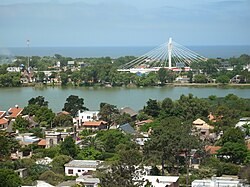
In Uruguay, known as barrios privados, these communities are popular with foreign families, though they are prohibited within the city limits of Montevideo.
Summary of Global Gated Community Characteristics
| Region/Country | Primary Driver | Notable Characteristic |
|---|---|---|
| United States | Lifestyle & Security | Massive scale; millions of households. |
| Mexico | Security | Response to extreme income inequality. |
| Indonesia | Development | Public access to some internal facilities. |
| Singapore | Exclusivity | Only one community (Sentosa Cove). |
| United Kingdom | Privacy | Relatively rare and small-scale. |
| Pakistan | Infrastructure | Immunity from general energy/law issues. |
Frequently Asked Questions
What is the difference between a gated community and an intentional community?
A gated community is a type of common interest development focused on controlled access, security, and shared amenities. An intentional community is formed by people who choose to live together for a shared social, political, or spiritual purpose.
Do gated communities actually increase security?
While many are built for physical security to reduce crime and traffic, the effectiveness varies. Some are "guard-gated" with private security to protect high-value properties, while others rely on simple gates and fences.
How do gated communities affect the surrounding area?
Some experts, including anthropologist Setha M. Low, argue that these enclaves can have a negative effect on the net social capital of the broader community by creating spatial and social segregation.
Are gated communities common in Europe?
They are generally less common than in the Americas. For example, in the UK, they are relatively rare and typically consist of small developments or single blocks of flats.
Can non-residents access facilities in gated communities?
This depends on the country. In Indonesia, for instance, regulations may require that social facilities be handed to the local government for public use, allowing outsiders access to some amenities.