Nightlife: The Pulse of the Urban Evening
Nightlife is a collective term for entertainment that becomes popular from the late evening into the early hours of the morning. While daytime activities often cater to a general audience, nightlife is typically more adult-oriented. It encompasses a wide array of venues and activities, including pubs, bars, nightclubs, parties, live music, concerts, cabarets, theatre, cinemas, and various shows. Many of these establishments require a cover charge for admission. Those who naturally prefer to be active during these hours are commonly known as night owls.
![Nightlife in Times Square, Midtown Manhattan. One of the many nicknames for New York City is The City That Never Sleeps.[1]](/images/4b/47/4b47850311fbbbab2e16eda94ca62b25c417768cfc17c19673e29cef7c53caef.jpg)
Key Facts
- Scope: Includes everything from quiet cafes and theatres to high-energy nightclubs and concerts.
- History: The rise of artificial lighting in 17th and 18th-century Europe enabled the growth of nighttime social culture.
- Sociology: Nightlife venues often serve as "third places"—social environments separate from home and work.
- Modern Trends: Millennials and Zoomers are driving a demand for immersive and unique nightlife experiences.
- Regulation: Alcohol licensing and security certifications are primary regulatory focuses in the UK and Australia.
The History of the Night
For much of human history, staying awake after dark was a challenge. The absence of electric lighting and the demanding nature of agricultural labor meant most people slept shortly after sunset. In ancient times, larger cities like Rome were often perceived as dangerous once night fell.
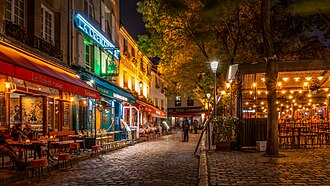
This dynamic shifted during the 17th and 18th centuries in Europe. The development of artificial lighting—including domestic lamps and street lighting—allowed the royal and upper social classes to extend their activities into the night. This era also saw the introduction of coffee, tea, and chocolate, leading to the rise of cafes that remained open until dawn, cementing the foundation of modern nightlife culture.
Sociological Perspectives on Nightlife
Sociologists view nightlife as more than just entertainment; it is a vital area of research. Ray Oldenburg, in The Great Good Place, describes establishments like pubs, bars, and nightclubs as third places—essential social surroundings that are distinct from the two primary environments of home (first place) and work (second place).
Beyond social gathering, nightlife has been a catalyst for cultural and political evolution. David Grazian notes that these scenes contributed to the birth of beat poetry and musical genres such as bebop, urban blues, and early rock. Furthermore, nightlife played a pivotal role in the U.S. gay rights movement, specifically highlighted by the riots at the Stonewall Inn in New York City's Greenwich Village.
Social Capital and Inequality
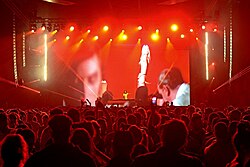
While nightlife can build social capital, researchers also highlight its darker side. Grazian argues that nightlife can mirror the race, ethnic, and class inequalities found in broader society. For example, some U.S. nightclubs employ dress codes that target clothing associated with hip hop culture, which can act as a form of informal racial discrimination. Additionally, club culture has been criticized for environments that may tolerate the harassment of women or expect highly sexualized performances of femininity for entry.
Modernity and the Digital Shift
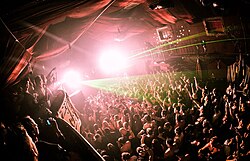
The ability to control lighting in contrast to natural daylight represents human mastery over technology. In the modern era, research from Euromonitor International shows that millennials and Zoomers are increasingly seeking immersive and unique experiences. This shift is amplified by digital platforms and social media, which have fundamentally changed how people discover and engage with nightlife.
![São Paulo, Brazil, has the best nightlife in the world, according to the World's Best Cities 2026.[2]](/images/bf/63/bf635dce44673181e2987fdbe1d06877dc5f70aecd0a6064f92bde386e75bcd5.jpg)
As urban landscapes evolve, nightlife continues to reflect the zeitgeist (the defining spirit or mood of a particular period) of contemporary society, blending innovation with diversity.
Global Regulation of Nightlife
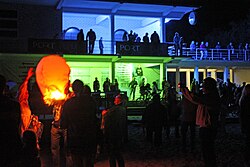
To maintain safety and order, governments implement various regulations on nightlife venues, primarily focusing on alcohol and security.
| Region | Primary Regulatory Focus | Key Legislation/Authority |
|---|---|---|
| Australia | Alcohol Service | Licensing requirements for alcohol |
| United Kingdom | Alcohol & Security | Licensing Act 2003; Security Industry Authority (SIA) |
| United States | Local Governance | State and local level legislation |
In the United Kingdom, the Licensing Act 2003 allowed pubs and bars to stay open later. This created new competition for nightclubs, as patrons no longer felt the need to move to a club to continue their evening. Additionally, any venue employing "bouncers" must ensure their security staff are licensed by the Security Industry Authority.
Frequently Asked Questions
What are "third places" in the context of nightlife?
Coined by Ray Oldenburg, third places are social environments—such as bars, pubs, and clubs—that provide a space for community and interaction separate from the home (first place) and the workplace (second place).
How did artificial lighting change social habits?
Before artificial lighting, nighttime was often dangerous or reserved for sleep. The introduction of street and domestic lighting in 17th and 18th-century Europe allowed people to socialize after dark and led to the creation of 24-hour cafes.
What role did nightlife play in the gay rights movement?
Nightlife venues provided critical spaces for community building. A landmark moment was the riots at the Stonewall Inn in New York City, which helped kick off the gay rights movement in the United States.
How is nightlife regulated in the UK?
Nightlife in the UK is governed by the Licensing Act 2003 (and the Licensing (Scotland) Act 2005), which regulates alcohol service. Furthermore, security personnel must be licensed by the Security Industry Authority.
What are the current trends for younger generations in nightlife?
According to Euromonitor International, millennials and Zoomers are moving away from traditional outings in favor of unique, immersive experiences, often discovered and shared via social media platforms.