French Third Republic: The Rise and Fall of a Parliamentary Era (1870–1940)
The French Third Republic was the system of government that shaped modern France for seven decades, spanning from September 4, 1870, to July 10, 1940. Born from the collapse of the Second French Empire during the Franco-Prussian War, this parliamentary republic navigated a tumultuous path through internal political strife, a golden age of cultural flourishing, and two of the most devastating conflicts in human history.
Throughout its existence, the Third Republic was characterized by a persistent tension between the left and right, a struggle to define the role of the Catholic Church in public life, and an ambitious expansion of its overseas empire. Despite its frequent government crises and dissolved parliaments, it established the foundational structures of the modern French state.
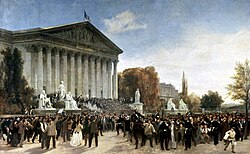
Key Facts
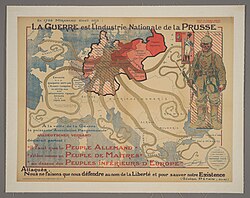
- Duration: 1870 to 1940.
- Government Type: Unitary parliamentary republic.
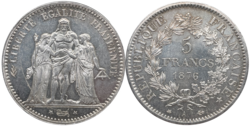
- Motto: Liberté, égalité, fraternité (Liberty, Equality, Fraternity).
- Key Transitions: Succeeded the Second French Empire and was succeeded by Vichy France and German military administration.
- Territorial Peak: By 1938, the republic controlled approximately 13.5 million square kilometers, including colonies and protectorates.
- Major Conflicts: World War I (1914–1918) and World War II (1939–1940).
Origins and the Struggle for Stability
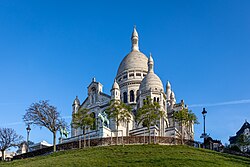
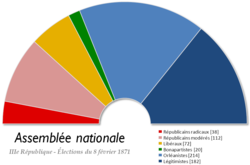
The Third Republic was proclaimed by Leon Gambetta on September 4, 1870, following the defeat of Napoleon III. The early years were marked by instability and attempts to restore the monarchy. However, the republicans eventually secured power, establishing a system with a President and a bicameral Parliament consisting of the Senate (upper house) and the Chamber of Deputies (lower house).
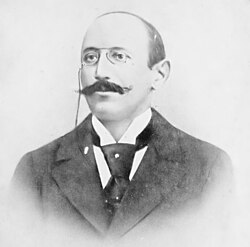
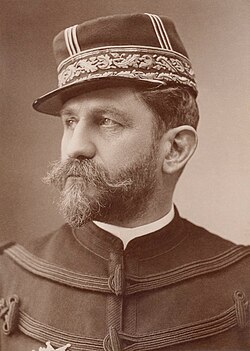
The era was not without crisis. The republic faced the Boulanger crisis and the Panama scandal, which shook public trust in political institutions. One of the most divisive moments was the Dreyfus Affair, a political scandal centered on Captain Alfred Dreyfus, which highlighted deep-seated antisemitism and the conflict between military honor and judicial truth.
The Belle Époque: Culture and Modernization
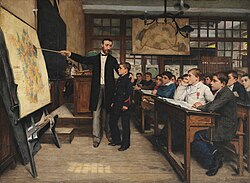
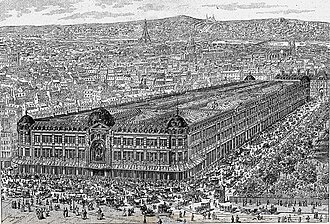
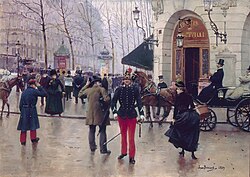
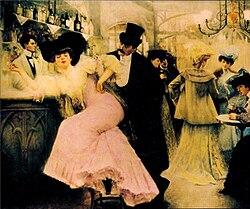
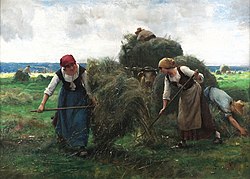
Between 1871 and 1914, France experienced the Belle Époque (Beautiful Era), a period of peace, optimism, and immense cultural productivity. This era saw the rise of the modern city department store, such as Au Bon Marché, and the modernization of the peasantry, integrating rural populations into the national identity.
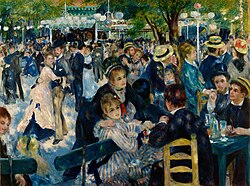
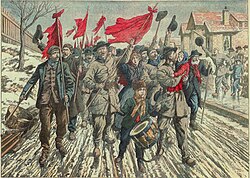
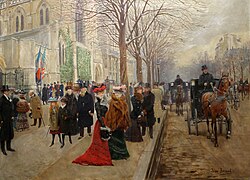
Artistically, the period was defined by the vibrancy of Parisian life, captured in the works of Renoir and Béraud. However, this prosperity coexisted with social unrest, including strikes by miners in Pas-de-Calais following the Courrières mine disaster.
Church and State
A defining feature of the Third Republic was the move toward laïcité (secularism). After years of tension between the republicans and the Catholic Church, the government passed a bill on the separation of Church and State in 1905, ending the Concordat of 1801.
Foreign Policy and the Colonial Empire
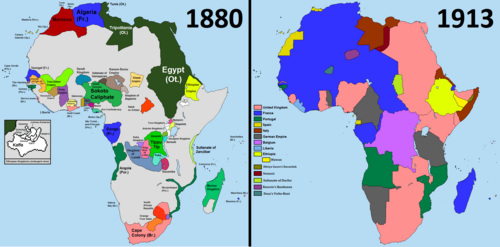
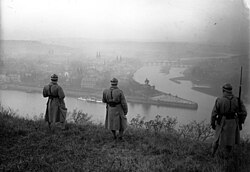
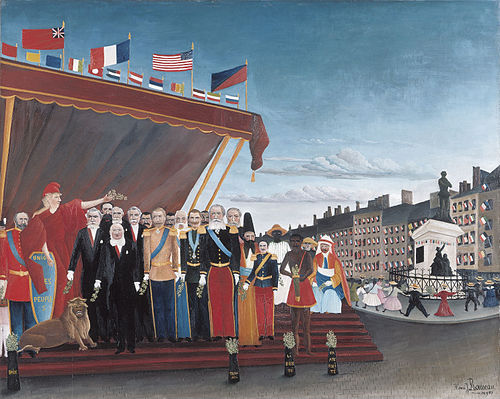
Driven by a desire for revanche (revenge) after the loss of Alsace-Lorraine to Germany in 1871, French foreign policy was heavily focused on security and prestige. This period saw a massive expansion of the French colonial empire across Africa and Asia, formalized in events like the Berlin Conference of 1884.
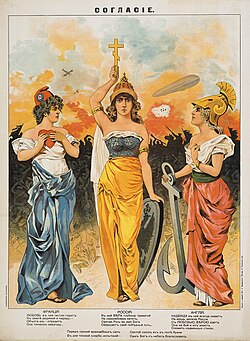
By the early 20th century, France shifted its diplomatic focus toward the Triple Entente, forming a strategic alliance with Russia and Great Britain to counter the Triple Alliance.
The Great War and the Interwar Period
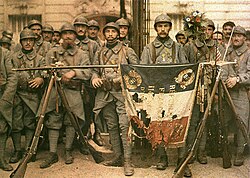
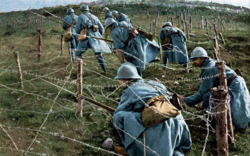
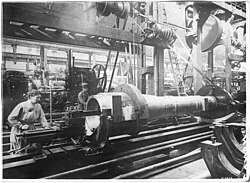
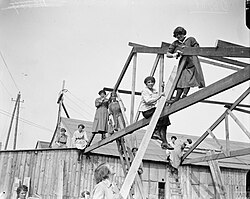
France entered World War I on August 3, 1914. The conflict was catastrophic; France sustained the highest number of casualties among the Entente powers. The war effort required a total mobilization of society, including women entering the industrial workforce to produce munitions and equipment.
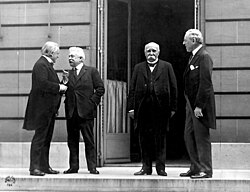
The 1919 Treaty of Versailles brought victory and the return of Alsace-Lorraine, but the interwar years were plagued by the Great Depression and political violence. The Popular Front, a coalition of left-wing movements, attempted to address social inequalities, but the rift between the right and left continued to widen.
The Downfall of the Third Republic
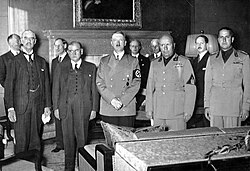
The republic's final years were marked by strategic missteps and a failure to deter the rise of Nazi Germany. Despite the Munich Agreement of 1938, which attempted to avoid war through appeasement, conflict became inevitable.
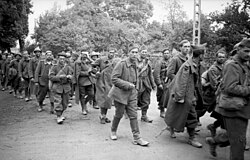
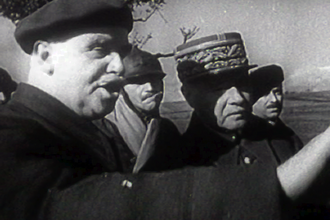
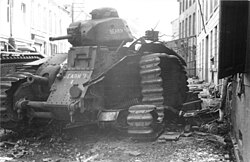
The Battle of France (May 10 – June 25, 1940) led to a rapid German victory. On July 10, 1940, the Third Republic effectively ended when the government authorized the formation of the Vichy regime, leading to a period of German military administration and collaboration.
Summary of the Third Republic
| Category | Details |
|---|---|
| Political System | Unitary Parliamentary Republic |
| Key Figures | Louis-Jules Trochu (1st President), Albert Lebrun (Last President), Paul Reynaud (Last PM) |
| Major Legislation | 1905 Law on the Separation of the Churches and the State |
| Territorial Reach | Metropolitan France plus extensive colonies/protectorates (13.5M km² by 1938) |
| End Event | Fall of France and establishment of Vichy France (1940) |
Frequently Asked Questions
How did the Third Republic begin?
The Third Republic was proclaimed on September 4, 1870, following the collapse of the Second French Empire after Napoleon III's defeat in the Franco-Prussian War.
What was the significance of the Dreyfus Affair?
The Dreyfus Affair was a political scandal involving the wrongful conviction of Captain Alfred Dreyfus. It exposed deep divisions in French society regarding antisemitism, nationalism, and the role of the military in a republic.
What was the 'Belle Époque'?
The Belle Époque was a period of relative peace and prosperity from 1871 to 1914, characterized by cultural flourishing, technological modernization, and the growth of Parisian society.
How did the Third Republic handle the relationship between Church and State?
After decades of conflict, the republic established a formal separation of Church and State in 1905, promoting the concept of laïcité (secularism) in public institutions.
Why did the Third Republic collapse in 1940?
The republic collapsed following the rapid military defeat of France by Nazi Germany during the Battle of France, leading to the establishment of the Vichy government on July 10, 1940.