Posters: A History of Visual Communication and Art
A poster is a large sheet, typically crafted from paper or plastic, designed to be displayed in public spaces for promotion or on walls as decoration. By blending textual and graphic elements, posters serve as eye-catching tools that communicate messages quickly and effectively. While they are widely used by advertisers, musicians, and filmmakers, they also serve as powerful instruments for propagandists and protestors.
Beyond their functional use, posters often act as affordable reproductions of famous artworks. The modern poster emerged in the 1840s and 1850s, coinciding with the printing industry's perfection of colour lithography—a method of printing from a smooth stone or metal plate—which enabled the mass production of vibrant visual media.
Key Facts
- Invention: Lithography was invented in 1796 by Alois Senefelder, paving the way for mass-produced posters.
- Artistic Evolution: Styles have evolved from Art Nouveau and Art Deco to Cubism, Bauhaus, and 1960s psychedelic art.
- High Value: Rare movie posters can fetch hundreds of thousands of dollars; a 1927 Metropolis poster sold for $690,000 in 2005.
- Versatility: Used for everything from government proclamations and war propaganda to sporting commemorations and educational tools.
The Evolution of Mass Production
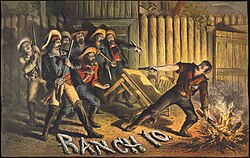
While placards and posted bills have existed since ancient times for government proclamations and theatrical advertisements (including the plays of Shakespeare), the true revolution occurred with the development of cheap mass printing. Following Senefelder's invention of lithography, chromolithography emerged, allowing for the production of posters in vivid, multiple colors.
The Rise of Poster Art in Europe
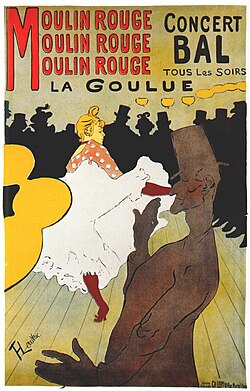
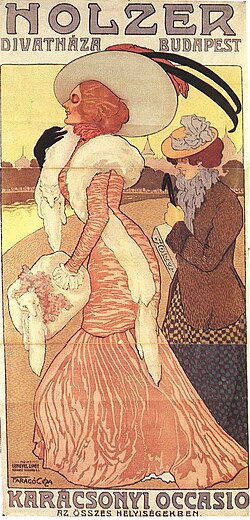
By the 1890s, poster art flourished across Europe. In Paris, Jules Chéret—often called the "father" of advertisement placards—used bright colors and striking characters to create over 1,000 advertisements. This era transformed Parisian streets into a "poor man's picture gallery," attracting fine artists like Alphonse Mucha and Henri de Toulouse-Lautrec. The movement was so influential that Paris hosted a major poster exhibition in 1884.
The American Experience
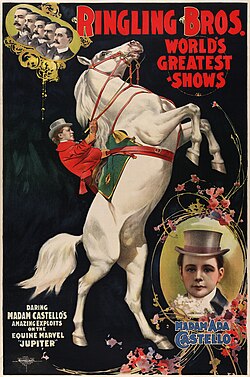
In the United States, the evolution differed slightly. Early colorful posters were often mass-produced woodcuts used by traveling circuses in the 1850s. Initially derided by critics for their crowded style, American poster art matured as chromolithography took hold, with designers like Will Bradley and Edward Penfield gaining international recognition.
The Golden Age and Beyond
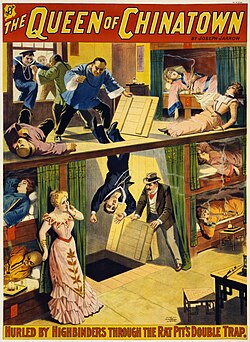
The Belle Époque (late 19th century) marked a peak in the poster's status as a serious art form. Jules Chéret's Maîtres de l'Affiche (Masters of the Poster) series became a landmark historical publication. Posters during this time advertised a vast array of subjects, from bullfights to bicycles.
Decline and the Counter-Cultural Resurgence
After a period of decline, posters experienced a rebirth in the mid-1960s. This "second golden age," or "postermania," was driven by a counter-cultural shift where posters became tools for self-expression and public protest as much as for advertising.

Diverse Applications of the Poster
Political and Propaganda Uses
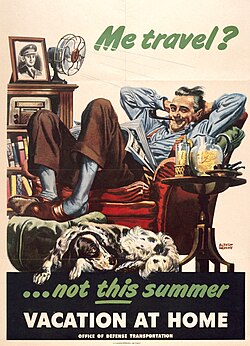
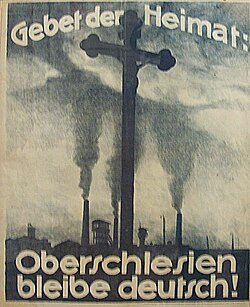
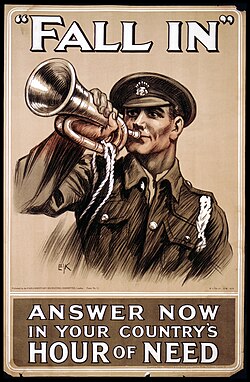
Posters have long been used to sway public opinion. From World War I recruiting efforts to the 1968 Paris student riots, they have been central to political movements. Jim Fitzpatrick's stylized image of Che Guevara became a global symbol of rebellion. More recently, posters played a vital role during the 1989 democratic revolutions in Central and Eastern Europe, appearing on the Berlin Wall and in Prague and Budapest. In the U.S., the "Hope" poster by Shepard Fairey for Barack Obama stands as a modern example of influential political design.
Commercial and Entertainment Industries
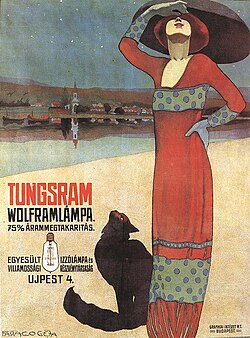
The film industry utilized vibrant posters to drive ticket sales. Today, these are highly collectible; for instance, posters for The Mummy and Bride of Frankenstein have sold for hundreds of thousands of dollars. Similarly, the railway industry in Britain used pictorial posters to advertise routes, with artists like Norman Wilkinson and Terence Cuneo creating iconic landscapes.
Sports and Special Interest
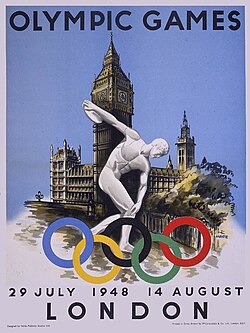
Major sporting events, including the FIFA World Cup and the Olympics, release commemorative posters. At the Paris 2024 Summer Olympics, every medalist received an official poster. Other specialized types include blacklight posters (which glow under ultraviolet light), pin-up posters (popularized in the 1920s and during WWII), and comic book posters.

| Poster Type | Primary Purpose | Notable Example/Era |
|---|---|---|
| Propaganda | Political influence/War effort | WWI Recruiting / 1989 Revolutions |
| Commercial | Product/Event advertising | Belle Époque / Railway posters |
| Cinematic | Film promotion | Metropolis (1927) |
| Commemorative | Event memory/Athletic achievement | Olympic Games posters |
| Decorative | Self-expression/Aesthetics | 1960s Psychedelic art |
Frequently Asked Questions
What is the difference between lithography and chromolithography?
Lithography, invented in 1796, is a printing process based on the immiscibility of oil and water. Chromolithography is a variation of this process that allows for the printing of multiple colors, enabling the creation of vibrant, full-color posters.
Who is considered the father of the advertisement placard?
Jules Chéret is regarded as the father of advertisement placards. He founded a lithography office in Paris in 1866 and created over 1,000 advertisements using bright colors and striking characters.
Why are some movie posters so expensive?
Certain movie posters are highly valued due to their rarity, historical significance, and artistic merit. For example, the 1931 Frankenstein 6-sheet poster is considered the most valuable in the world because only one copy is known to exist.
How were posters used in political revolutions?
Posters served as an indispensable weapon for opposition groups, particularly during the 1989 democratic revolutions in Central and Eastern Europe, where they were used to communicate messages of change on the Berlin Wall and in other public spaces.
What are pin-up posters?
Pin-up posters, also known as "cheesecake" posters, are images of attractive women. They became popular in the 1920s and saw a significant surge in popularity among soldiers during World War II.