Food Science: The Essential Role of Nutrition in Living Organisms
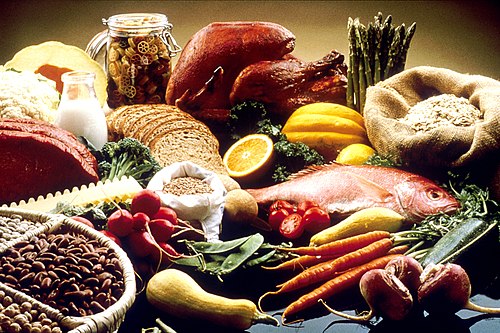
At its most fundamental level, food is any substance consumed by an organism to provide nutritional support. Whether derived from plants, animals, or fungi, food serves as the fuel that allows life to persist. By ingesting these substances, organisms can assimilate essential nutrients into their cells to generate energy, maintain vital functions, support physical requirements, and encourage growth.
Because different species have evolved to fill specific ecological niches, feeding behaviors vary wildly across the animal kingdom. These behaviors are finely tuned to meet the unique metabolic needs of each species within their specific geographical contexts.
Key Facts
- Food provides essential nutrients including carbohydrates, fats, proteins, vitamins, and minerals.
- Animal products are considered complete proteins because they contain all essential amino acids.
- Taste receptors are not limited to the mouth; some insects taste with their legs, and some fish use their entire bodies.
- Foodborne illnesses affect approximately 600 million people globally each year.
- Children under five account for 40% of the global burden of foodborne illness.
Nutritional Classification and Sources
Nutrients are the building blocks of life, and they are categorized based on their chemical composition and biological function. Most food sources fall into three primary categories: plant, animal, or fungal origin.
Plant and Fungal Sources
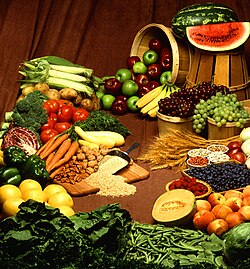
Plants are foundational to most ecosystems. Through processes like photosynthesis, they convert light into energy, forming the base of the food web. Humans and other animals consume a wide variety of plant-based foods, including fruits, vegetables, grains, legumes, and nuts.
Animal-Based Nutrition
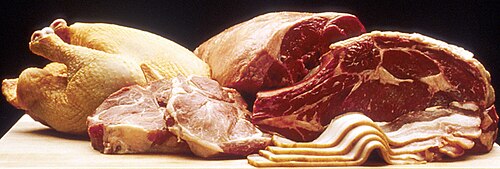
Animals are utilized as food sources both directly and indirectly. Direct consumption includes meat, eggs, and shellfish, while indirect consumption includes dairy products like milk and cheese. Animal products are a critical source of protein and essential micronutrients.
For humans, animal products are often viewed as complete proteins, meaning they provide all the essential amino acids required by the body. They also offer vital nutrients such as Vitamin B12, zinc, iron, calcium, and magnesium.
| Food Item | Serving Size | Approximate Protein Content |
|---|---|---|
| Steak, Chicken, or Pork | 4 oz (110 g) | 30 g |
| Cheese | 4 oz (110 g) | 15 g |
| Large Egg | 1 unit | 7 g |
| Milk | 1 cup (240 mL) | 8 g |
Sensory Perception: The Science of Taste
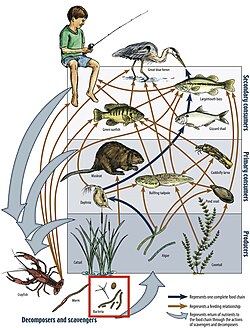
The ability to sense food is a critical survival mechanism. While most animals possess taste buds in their mouths, the distribution and sensitivity of these receptors vary significantly across species.
Herbivores generally possess more taste buds than carnivores, a biological adaptation that helps them distinguish between nutritious plants and those that may be poisonous. In contrast, some carnivores, such as hyenas, dolphins, and sea lions, have actually lost the ability to sense several of the five taste modalities found in humans.
The diversity in taste perception is staggering:
- Humans: Between 2,000 and 4,000 taste buds.
- Chickens: Approximately 30 taste buds.
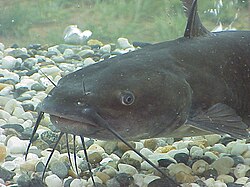
- Catfish: Can possess more than one million taste buds covering their entire bodies.
Food Safety and Global Health
While food is essential for life, contaminated food poses a significant global health risk. According to the World Health Organization (WHO), approximately 600 million people fall ill and 420,000 die annually due to consuming contaminated food. Diarrhea remains the most prevalent illness resulting from foodborne pathogens, causing an estimated 550 million cases and 230,000 deaths each year.
The impact is particularly severe among vulnerable populations. Children under the age of five represent 40% of the global burden of foodborne illness, accounting for 125,000 deaths annually. Regional data also highlights specific risks; for example, in the United States, the CDC and WHO report 76 million cases of foodborne illness annually, leading to 325,000 hospitalizations.
Frequently Asked Questions
Why are animal products called complete proteins?
Animal products are considered complete proteins because they contain all the essential amino acids that the human body requires for proper function and cannot produce on its own.
How do different animals experience taste?
Taste perception varies by species. While humans have thousands of taste buds in the mouth, some insects taste with their legs, and catfish have millions of taste buds across their entire bodies.
What are the most common risks associated with food consumption?
The primary risk is foodborne illness caused by contamination. Diarrhea is the most common illness, and it is a major contributor to global mortality rates, especially in children under five.
What nutrients are typically found in animal-based foods?
In addition to high levels of protein, animal products provide calories, fats, essential vitamins (such as B12), and minerals like zinc, iron, calcium, and magnesium.
Do all animals have the same sense of taste as humans?
No. Some animals, like cats, cannot taste sweetness, and certain carnivores have lost the ability to sense up to four of the five taste modalities that humans can perceive.