Florida: The Sunshine State
Known globally as the Sunshine State, Florida is a vibrant peninsula in the southeastern United States. From its low-lying coastal plains to the sprawling wetlands of the Everglades, Florida blends a rich colonial history with a modern, multicultural identity. Admitted to the Union on March 3, 1845, as the 27th state, it has grown into one of the most populous and economically significant regions in the country.
Key Facts
- Capital: Tallahassee
- Largest City: Jacksonville
- Population: Approximately 23.46 million (2025 est.), ranking 3rd in the U.S.
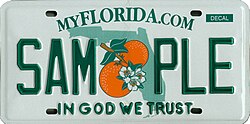
- State Motto: "In God We Trust"
- Highest Point: Britton Hill (344 ft)
- Official Language: English
History and Evolution
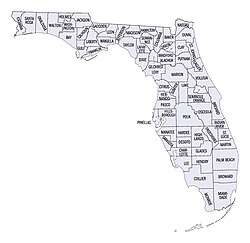
Florida's history is marked by early European exploration and a complex transition of power. Early expeditions, such as those by Hernando de Soto between 1539 and 1543, laid the groundwork for Spanish influence.
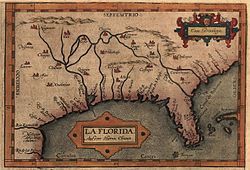
The Spanish era left a lasting architectural legacy, most notably the Castillo de San Marcos, whose design reflects the colors and shapes of the Cross of Burgundy.
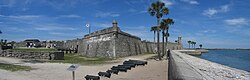
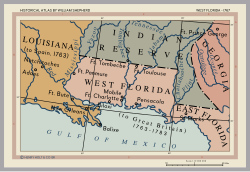
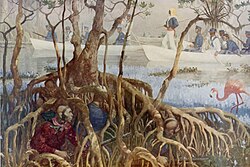
Between 1763 and 1783, the region was divided into East and West Florida under British rule. Following this, the territory eventually transitioned to U.S. control, leading to statehood in 1845. This period was also characterized by the forced removal of Native American populations and conflicts such as the Second Seminole War (1835–1842), where U.S. Marines searched the Everglades for hiding Seminoles.
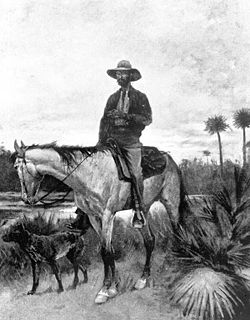
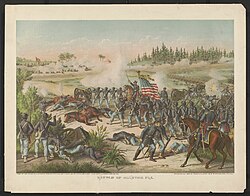
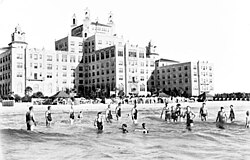
The 19th and 20th centuries saw the rise of the "Cracker" cowboy culture and the state's involvement in the American Civil War, including the 1864 Battle of Olustee. By the 1920s, Florida became a premier destination for tourism, exemplified by the opening of the Don Cesar Hotel in 1928. The mid-20th century was defined by the Civil Rights Movement, including the 1964 protests at the Monson Motor Lodge in St. Augustine.

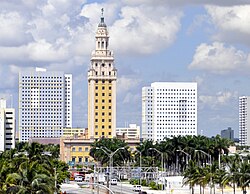
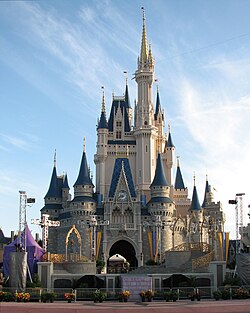
In the latter half of the century, Florida experienced a massive population boom and cultural shift. The construction of Miami's Freedom Tower in 1925 and the later opening of Walt Disney World in 1971 transformed the state into a global hub for immigration and entertainment.
Geography and Climate
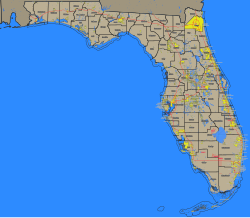
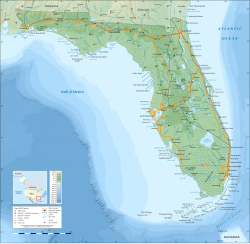
Florida is characterized by its low-lying, flat topography. The state is divided into several distinct regions, including the Panhandle, the Big Bend, and the South Florida peninsula.
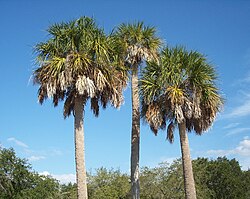
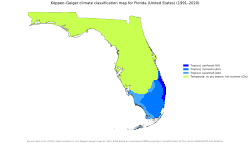
The climate is generally warm, supporting the growth of the state tree, the Sabal palmetto. While much of the state follows a humid subtropical pattern, the southern regions lean toward a tropical climate.
Regional Climate Averages
| City | January (Low/High) | July (Low/High) | December (Low/High) |
|---|---|---|---|
| Jacksonville | 42/65 | 73/92 | 44/67 |
| Miami | 60/76 | 77/91 | 63/78 |
| Orlando | 49/71 | 74/92 | 52/73 |
| Tallahassee | 39/64 | 72/92 | 41/66 |
| Tampa | 51/70 | 75/90 | 54/72 |
Flora and Fauna
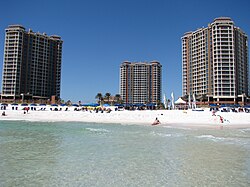
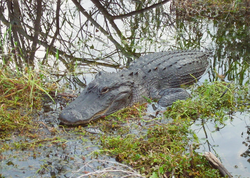
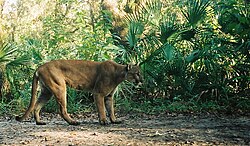
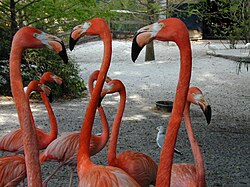
Florida's unique ecosystems, particularly the Everglades, host a diverse array of wildlife. The state is home to the American alligator and the endangered Florida panther.
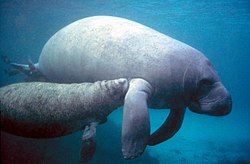
Marine life is equally diverse, featuring the West Indian manatee, bottlenose dolphins, and various coral reefs in areas like John Pennekamp Coral Reef State Park. However, the ecosystem faces challenges from invasive species, such as the Burmese python.
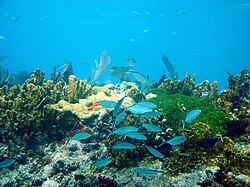
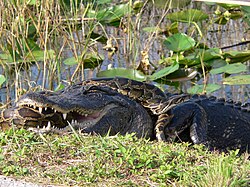
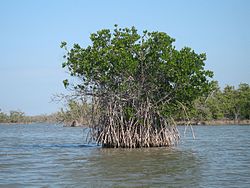
The coastal regions are protected by red mangroves, which serve as critical nurseries for marine life.
![The Florida Keys as seen from a satellite, in December 2003[141]](/images/f9/fc/f9fcdf5f3b099cae3fa32f00fd8b6282d538ccdc64d0b259f358eb6943a69d01.jpg)
Demographics and Society
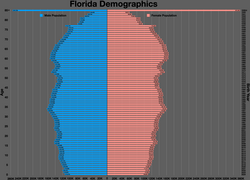
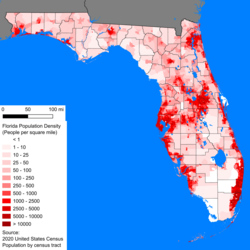
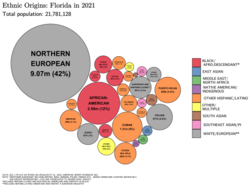
Florida is a melting pot of cultures. As of the 2020 census, the state has seen a significant increase in its Hispanic or Latino population, which now makes up 26.5% of the residents. Spanish is the second most spoken language, used by 23.4% of the population.
![Cuban American men playing dominoes in Miami's Little Havana. In 2010, Cubans made up 34.4% of Miami's population and 6.5% of Florida's.[159][160]](/images/5a/f9/5af9b5a35aa4c6ff8a3e56312a115a9afff0fd954416fc9ef6bf05c52d317993.jpg)
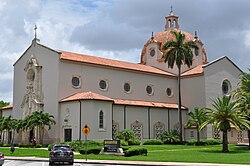
Religious diversity is also prominent, with Protestantism (38%) and Catholicism (22%) being the most common faiths, alongside growing communities of Jewish, Hindu, and Muslim residents.
Government and Economy
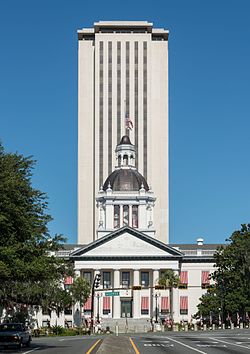
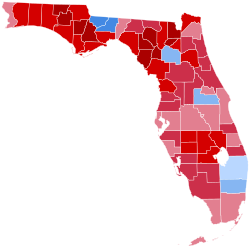
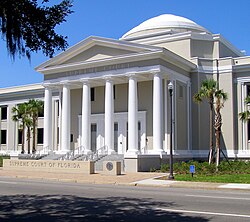
The state is governed by the Florida Legislature and the Supreme Court of Florida, with the executive branch led by the Governor. Politically, the state has seen a shift toward the Republican party in recent election cycles.
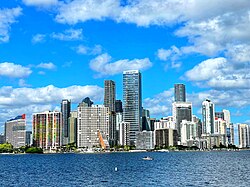
Economically, Florida is a powerhouse in tourism, agriculture, and finance. Miami's Brickell Financial District holds the largest concentration of international banks in the U.S.
Infrastructure and Transportation
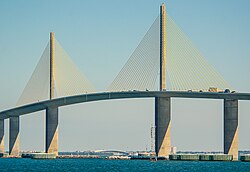
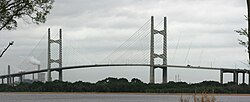
Florida's transportation network is designed to handle millions of tourists and residents. This includes a vast interstate system and major bridges like the Sunshine Skyway and Dames Point Bridge.
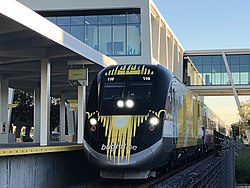
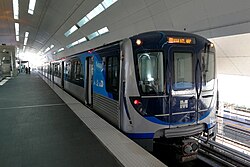
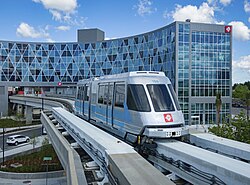
Air travel is critical, with Orlando International Airport serving as the busiest hub in the state. For urban transit, Miami Metrorail provides rapid transit, while Jacksonville utilizes the Skyway people mover system.
![Orlando International Airport, the busiest airport in the state with 44.6 million total passengers in 2017[277]](/images/84/2f/842fadf8aabace3748a3eff3603f982038a4aa90b3a63d40fc6dd7281fb4141c.jpg)
Education and Culture
Florida hosts several major research universities, including the University of Florida in Gainesville and Florida State University in Tallahassee.
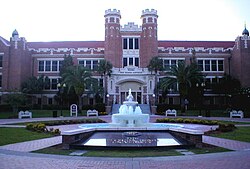
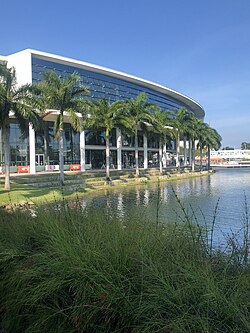
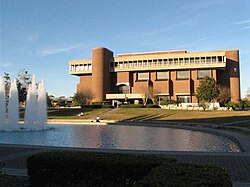
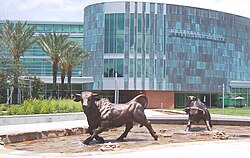
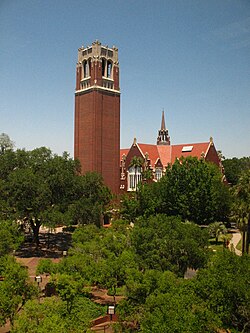
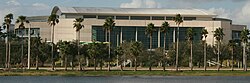
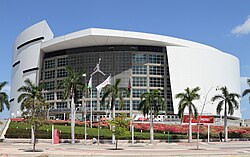
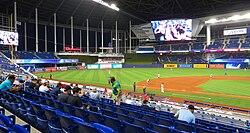
The state's culture is reflected in its sports venues, such as the Kaseya Center and the Daytona International Speedway, and its unique state symbols, including the orange blossom and the state beverage, orange juice.


Frequently Asked Questions
What is the largest city in Florida?
Jacksonville is the largest city in Florida by population.
Which animal is the official state animal of Florida?
The Florida panther is the official state animal.
What is the highest point in Florida?
The highest elevation in the state is Britton Hill, which reaches 344 feet.
What are the primary languages spoken in Florida?
English is the official language, spoken by 68% of the population, followed by Spanish at 23.4%.
When did Florida become a U.S. state?
Florida was admitted to the Union on March 3, 1845, as the 27th state.