Flood Management: Strategies for Resilience and Control
Flood management, also known as flood control, encompasses the diverse methods used to reduce or prevent the detrimental effects of floodwaters. Flooding typically arises from a combination of natural processes, such as extreme upstream weather, and human-induced changes to waterbodies and surface runoff. As climate change increases the intensity and frequency of these events, effective management has become a cornerstone of climate resilience and adaptation.
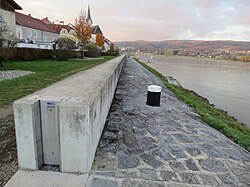
Modern landscape engineering distinguishes between two primary approaches: structural methods, which physically hold back water, and non-structural methods, which focus on risk reduction and planning. While hard infrastructure like flood walls is effective, current best practices emphasize a shift toward soft infrastructure and natural systems, such as marshes and floodplains, to manage excess water more sustainably.
Key Facts
- Structural vs. Non-Structural: Structural methods use physical barriers; non-structural methods use planning, mapping, and policy.
- Climate Adaptation: Flood management is critical for handling sea-level rise and increased precipitation caused by climate change.
- Natural Buffers: Wetlands and mangroves act as sponges, absorbing storm surges and reducing runoff.
- Scalability: Mitigation is applied at three levels: individual properties, small communities, and entire cities.
- Strategic Retreat: In some high-risk areas, buying out homeowners to restore natural wetlands is more effective than building walls.
The Mechanics of Flooding
Precipitation, Absorption, and Runoff
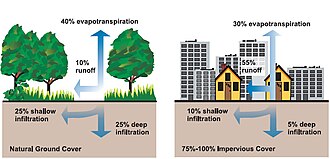
Flooding occurs when the amount of precipitation exceeds the land's ability to absorb water. Impervious surfaces—such as concrete and asphalt in urban areas—prevent water from soaking into the ground, significantly increasing surface runoff and the speed at which water reaches river systems.
Blunting the Flood Peak
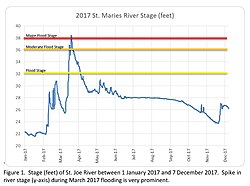
Catastrophic floods are often caused by brief, intense spikes in river levels. The goal of many management systems is to "blunt the peak" by slowing the water down and soaking it up, then allowing it to drain slowly once the peak has passed. This spreads the flow over a longer period, reducing the destructive power of the surge.
Structural Flood Control Methods
Structural methods involve the construction of physical infrastructure to divert or contain water. These are often necessary for protecting high-density urban centers.
River and Coastal Defenses
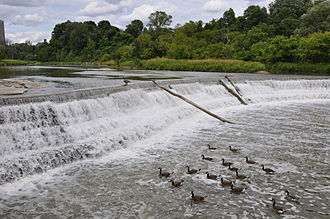
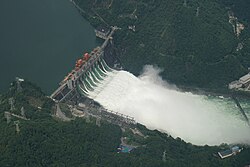
- Dams and Weirs: These structures regulate river flow and prevent catastrophic flooding in downstream areas.
- Diversion Canals and Spillways: These redirect excess water away from vulnerable cities. For example, the Morganza Spillway protects New Orleans and Baton Rouge by diverting water from the Mississippi River.
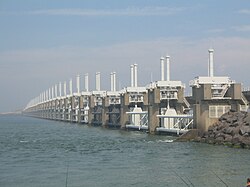
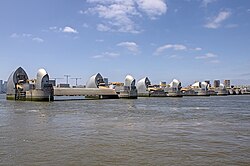
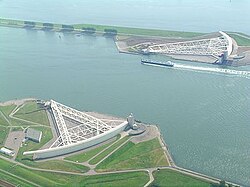
- Flood Barriers: Large-scale gates, such as the Oosterscheldekering in the Netherlands or the Thames Barrier in the UK, protect coastal and estuarine regions from storm surges.
Urban and Property Protection
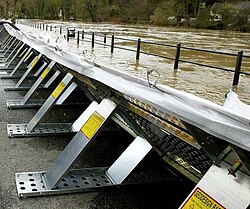
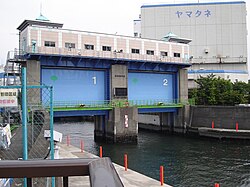
On a smaller scale, cities use floodgates, temporary perimeter barriers, and self-closing systems. In New York City, the MTA utilizes the Flex-Gate system—a deployable fabric cover—to protect subway entrances against up to 14 feet (4.3 m) of water.
Non-Structural Mitigation and Resilience
Non-structural methods focus on reducing vulnerability and exposure without the use of heavy engineering.
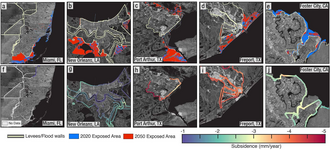
Risk Assessment and Mapping
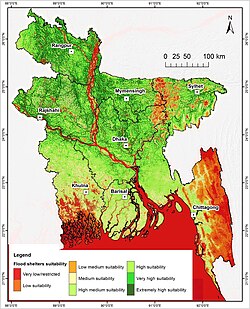
Effective management begins with flood risk assessment and flood mapping. By modeling potential flood hazards, authorities can identify susceptible areas and create suitability maps for flood shelters, as seen in Bangladesh.
Nature-Based Solutions
Restoring wetlands and protecting mangroves provides a natural defense against flooding. These ecosystems absorb water and reduce the energy of storm surges. In the United States, the government successfully converted 25,000 bought-out properties in the Midwest into wetlands following the 1993 floods, creating a natural sponge that mitigated future disasters.
Summary of Flood Management Approaches
| Approach | Primary Goal | Examples | Key Advantage |
|---|---|---|---|
| Structural | Physical Containment | Dams, Sea Walls, Floodgates | Immediate, high-level protection for assets |
| Non-Structural | Risk Reduction | Flood Mapping, Zoning, Policy | Sustainable, lower long-term cost |
| Nature-Based | Absorption & Resilience | Wetland Restoration, Mangroves | Environmental benefits and natural buffering |
Frequently Asked Questions
What is the difference between flood management and flood mitigation?
Flood management is the overarching process of reducing the detrimental effects of floodwaters. Flood mitigation is a specific subset of strategies aimed at reducing the potential impact and improving long-term resilience against flood events.
How does climate change affect flood management?
Climate change increases the risk and intensity of floods through rising sea levels and more extreme precipitation. This requires adaptation strategies, such as raising street levels, increasing pumping capacity, and enhancing coastal defenses.
Why are wetlands considered effective for flood control?
Wetlands act as natural sponges. They absorb excess rainwater and storm surges, slowing the movement of water and reducing the peak flow that reaches inhabited areas.
What is strategic retreat in the context of flooding?
Strategic retreat involves moving people and infrastructure away from high-risk flood zones. This often includes government buyouts of flood-prone properties to convert the land back into natural floodplains or wetlands.