United States Army Corps of Engineers: Building National Infrastructure and Defending the Nation
The United States Army Corps of Engineers (USACE) stands as one of the most vital organizations in the United States, serving a dual role that bridges military necessity and civilian progress. From the early days of the American Revolution to the modern management of complex environmental ecosystems, the Corps has been instrumental in shaping the nation's landscape through engineering excellence.
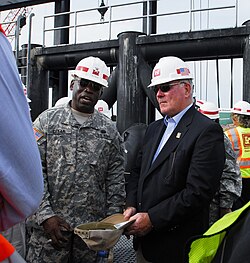
Operating as a Direct Reporting Unit within the Department of the Army, the Corps manages billions of dollars in national infrastructure. Their work spans from high-stakes military construction to the essential maintenance of waterways, dams, and flood protection systems that safeguard American communities.
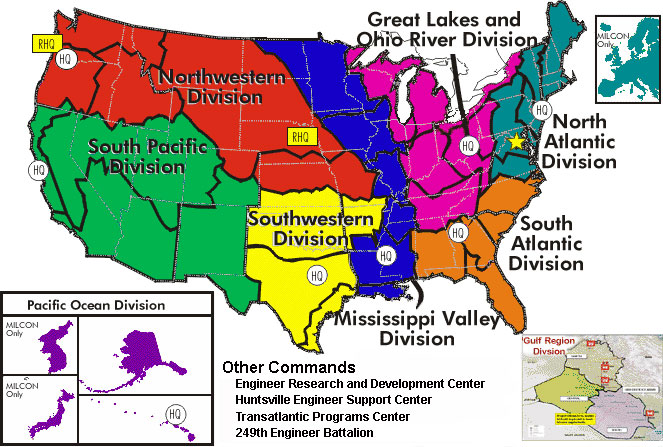
Key Facts

- Motto: "Essayons" (French for "Let Us Try")
- Headquarters: Washington, D.C.
- Primary Roles: Military engineering and civil works
- Core Colors: Scarlet and white
- Major Infrastructure: Manages 609 dams and 257 navigation locks
- Environmental Impact: Restores approximately 38,700 acres of wetlands annually
A Legacy of Engineering: Historical Evolution
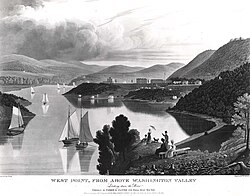
The origins of the Corps date back to the 18th century. On June 16, 1775, the Continental Congress authorized the creation of a "chief engineer for the Army." By March 1, 1779, a formal corps of engineers was authorized for the United States. The modern iteration of the organization was established on March 16, 1802, when the President authorized the organization of a Corps of Engineers stationed at West Point, New York, to serve as a Military Academy.
Throughout the 19th century, the Corps expanded its scope. In 1838, the Corps of Topographical Engineers was authorized to handle mapping and the design of federal civil works and coastal fortifications. This specialized group eventually merged with the Corps of Engineers in March 1863, a move that also integrated the Lakes Survey District mission for the Great Lakes.
The 20th century brought unprecedented challenges and massive projects. The Corps played a central role in the Manhattan Project (1942–1946) and oversaw the rapid planning and construction of the Pentagon, which was completed in just 16 months. They also supervised the completion of the landmark Panama Canal in 1914.
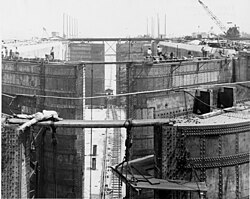
Civil Works and Water Resource Management

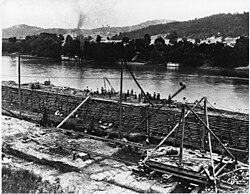
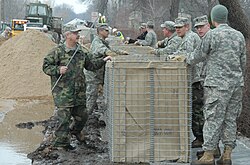
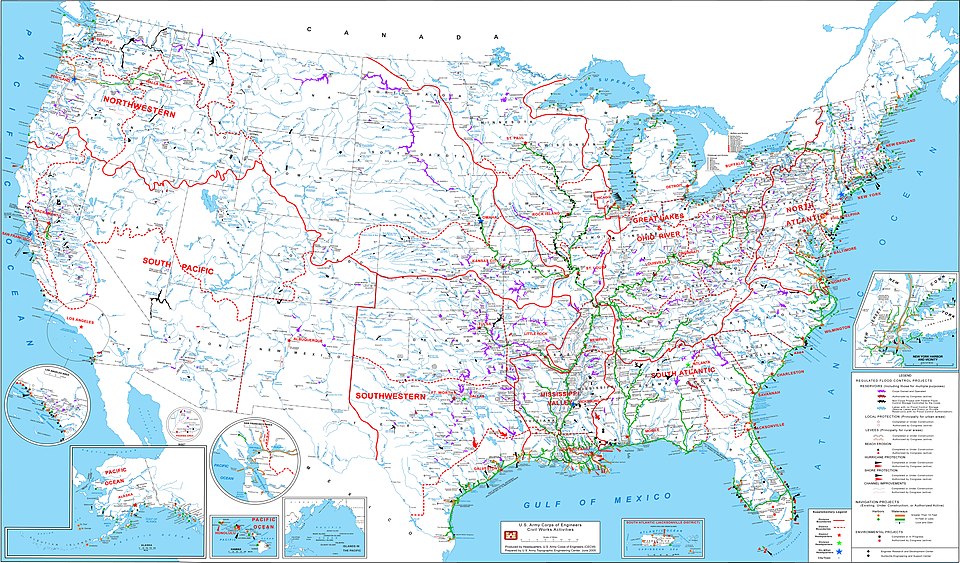
One of the most visible aspects of the USACE mission is its Civil Works program. This involves managing the nation's water resources to ensure safety, navigation, and economic stability. The Corps' involvement in river management began in earnest during the mid-19th century with the Mississippi River, leading to the 1936 Flood Control Act, which granted the Corps a nationwide mission for flood protection.
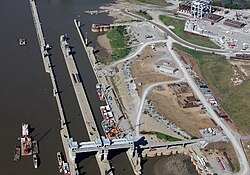
Flood Risk Management and Hydropower
The Corps manages a massive network of water control structures. They operate 75 hydroelectric facilities, which generate 24% of the nation's hydropower and 3% of its total electricity. Additionally, their 136 multi-use flood control projects provide a total water storage capacity of 9,800,000 acre-feet, making them one of the largest water supply agencies in the country.
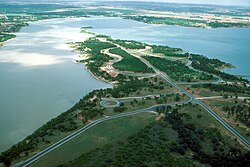
Navigation and Harbor Maintenance
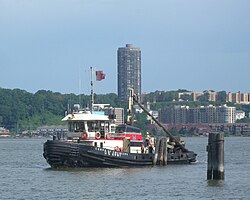
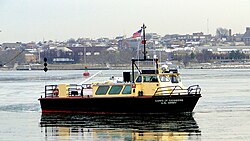
To support commerce, the Corps maintains 12,000 miles of commercial inland navigation channels and 926 harbors across the coasts and Great Lakes. This requires massive annual operations, including dredging approximately 255,000,000 cubic yards of material to keep waterways clear for shipping.
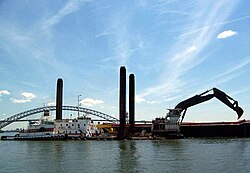
Environmental Stewardship and Sustainability

Modern engineering is inseparable from environmental protection. The USACE is tasked with complying with federal, state, and local environmental laws while striving to minimize the use of hazardous materials. Their work includes cleaning up sites contaminated with radioactive or hazardous waste through programs like the Formerly Used Sites Remedial Action Program (FUSRAP).
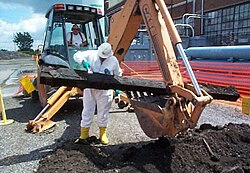
Key environmental focus areas include:
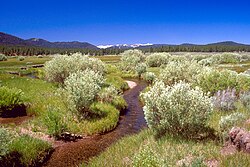
- Ecosystem Restoration: Revitalizing natural habitats and waterways.
- Wetlands Regulation: Managing permitting and protection for vital wetland areas.
- Sustainability: Implementing energy-efficient technologies and responsible waste management.
Operational Summary

| Category | Metric/Detail |
|---|---|
| Dams Owned/Operated | 609 |
| Navigation Lock Chambers | 257 at 212 sites |
| Inland Navigation Channels | 12,000 miles |
| Annual Dredging Volume | 255,000,000 cubic yards |
| Annual Wetland Restoration | ~38,700 acres |
| Flood Damage Prevention | ~$21 billion average annually (1995–2004) |
Frequently Asked Questions


What is the primary mission of the USACE?
The USACE serves two primary roles: military engineering to support the U.S. Army and other branches, and civil works to manage the nation's water resources, infrastructure, and environmental protection.
How does the Corps contribute to environmental protection?
The Corps engages in ecosystem restoration, manages wetlands through regulatory programs, and conducts cleanups of contaminated sites, including those involving radioactive or hazardous waste.
What role does the Corps play in national energy production?
Through the operation of 75 hydroelectric facilities, the Corps generates 24% of the United States' hydropower.
Where is the Corps of Engineers headquartered?
The headquarters for the United States Army Corps of Engineers is located in Washington, D.C.
What does the motto "Essayons" mean?
"Essayons" is a French word that translates to "Let Us Try," reflecting the Corps' spirit of engineering problem-solving.