Storm Surge: Mechanics, Impacts, and Coastal Risks
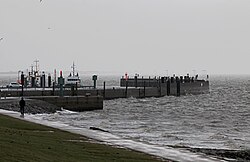
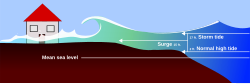
A storm surge is a coastal flood or tsunami-like phenomenon characterized by a rapid rise in water levels, typically associated with low-pressure weather systems such as tropical cyclones. Also referred to as a storm flood, tidal surge, or storm tide, it is measured as the increase in water level above the normal tidal range, excluding the height of individual waves.
The primary driver of a storm surge is high-speed wind pushing water toward the coast over a long fetch (the distance of open water over which wind blows). However, the severity of a surge is influenced by several other factors, including the orientation and shallowness of the water body, the timing of the tides, and the drop in atmospheric pressure caused by the storm.
As climate change leads to rising sea levels and more intense extreme weather, storm surges pose an increasing risk to coastal populations. To adapt, governments and communities are implementing a mix of hard infrastructure, such as flood barriers, and soft infrastructure, including the restoration of coastal dunes and mangroves. Additionally, social strategies like improved evacuation plans, public education, and early warning systems are critical for reducing loss of life.
Key Facts
- Definition: The rise in sea level above normal tides caused by a storm, excluding wave height.
- Primary Cause: High-speed winds pushing water toward the shore.
- Pressure Effect: Every 1 millibar (hPa) drop in atmospheric pressure results in approximately a 10 mm (0.39 in) rise in sea level.
- Topography: Shallow coastal waters generally experience higher storm surges but smaller waves compared to deep waters.
- Deadliest Event: The 1970 Bhola cyclone in the Bay of Bengal, with up to 500,000 fatalities.
The Mechanics of Storm Surges
Atmospheric Pressure Effect
In a tropical cyclone, the center of the storm is a region of very low atmospheric pressure. This causes the water level in the open ocean to rise to counteract the pressure drop, maintaining a constant total pressure beneath the surface. For example, a major storm with a 100 millibar pressure drop can cause the water level to rise by 1.0 meter (3.3 ft) solely due to this pressure effect.
Sea Depth and Topography
The shape and depth of the ocean floor significantly influence how a surge behaves. In areas where the ocean floor drops off steeply, such as the southeast coast of Florida near Palm Beach, storm surges are typically less extreme, though waves tend to be larger. Conversely, shallow areas—such as the Gulf of Mexico coast, the Bay of Bengal, and Florida Bay—are subject to much higher storm surges with smaller waves.
Storm Size and Duration
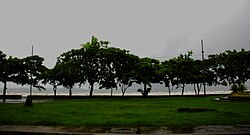
The physical size of a storm and the duration of the winds can exacerbate flooding. Between November 9 and 13, 2009, the remnants of Hurricane Ida became a nor'easter off the U.S. east coast. Persistent easterly winds forced water into the Chesapeake Bay for several days, causing water levels to remain as high as 2.4 meters (8 ft) above normal.
Measuring and Predicting Surges
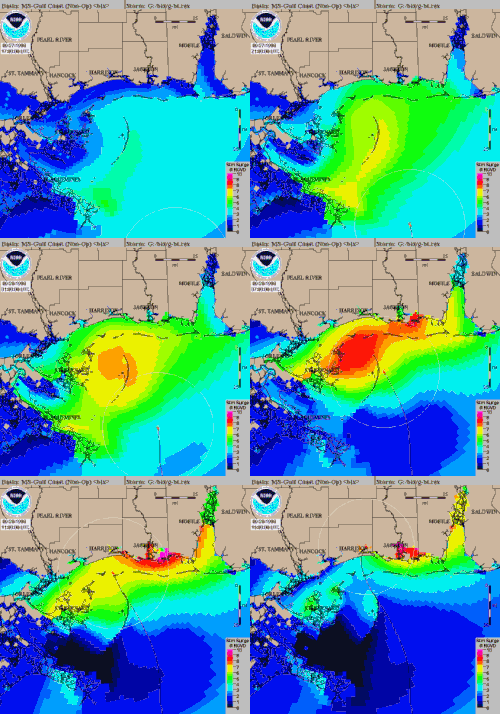
To predict the impact of these events, meteorologists use specialized tools. One prominent example is SLOSH (Sea, Lake, and Overland Surges from Hurricanes), a model used to estimate the potential water surface height and inland penetration of storm surges.
Historical Impacts and Devastation
Storm surges are often the deadliest aspect of tropical cyclones. The Bay of Bengal is particularly vulnerable due to its low-lying coastline. In addition to the 1970 Bhola cyclone, the region suffered during Cyclone Nargis in 2008, which killed over 138,000 people in Myanmar. In the Philippines, Typhoon Haiyan (Yolanda) in 2013 caused over 6,000 deaths and approximately $14 billion in economic losses.
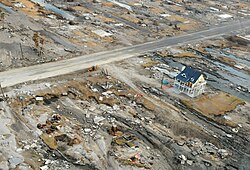
In the United States, the 1900 Galveston hurricane remains the deadliest natural disaster in the country's history, with 6,000 to 12,000 deaths. More recently, Hurricane Katrina (2005) produced a maximum surge of over 8.53 meters (28 ft) in southern Mississippi, while Hurricane Sandy (2012) brought a 4.27-meter (14 ft) surge to New York City.
| Event | Location | Key Impact/Measurement | Year |
|---|---|---|---|
| Bhola Cyclone | Bay of Bengal | Up to 500,000 deaths | 1970 |
| Cyclone Nargis | Myanmar | Over 138,000 deaths | 2008 |
| Galveston Hurricane | Texas, USA | 6,000–12,000 deaths | 1900 |
| Hurricane Katrina | Mississippi, USA | Max surge > 8.53m (28 ft) | 2005 |
| Cyclone Mahina | Australia | Estimated 13.41m (44 ft) tide | 1899 |
Frequently Asked Questions
What is the difference between a storm surge and a tsunami?
While both cause coastal flooding, a storm surge is driven by atmospheric pressure and wind associated with weather systems like hurricanes. A tsunami is typically triggered by geological events, such as underwater earthquakes or volcanic eruptions.
How does atmospheric pressure contribute to the water rise?
Low pressure in the center of a storm allows the ocean surface to rise. This is estimated at a 10 mm increase in sea level for every 1 millibar drop in pressure.
Why are shallow coasts more susceptible to higher surges?
In shallow water, the volume of water pushed toward the shore by the wind has nowhere to go but up, resulting in a higher surge compared to deep water where the energy can be distributed more vertically.
What is a reverse storm surge?
A reverse storm surge occurs when winds blow offshore, pushing water away from the coast and causing sea levels to drop below normal tidal levels.
How can coastal communities protect themselves from surges?
Protection includes building hard infrastructure like sea walls and flood barriers, maintaining soft infrastructure like mangroves and dunes, and implementing early warning and evacuation systems.