Field Marshal Lord Birdwood: Commander of the ANZACs
Field Marshal William Riddell Birdwood, 1st Baron Birdwood, was one of the most distinguished and highly decorated officers of the British Indian Army. Known affectionately as "Birdy," his career spanned nearly five decades, taking him from the frontiers of India to the blood-soaked trenches of the Western Front. He is most remembered for his pivotal role in leading the Australian and New Zealand Army Corps (ANZAC) during the First World War.
Key Facts
- Born: September 13, 1865, in Kirkee, Bombay Presidency, British India.
- Highest Rank: Field Marshal.
- Major Commands: ANZAC (Gallipoli), Australian Corps, British Fifth Army, and Commander-in-Chief, India.
- Key Conflicts: Second Boer War, First World War, and various campaigns on the North-West Frontier.
- Peerage: Created 1st Baron Birdwood of Anzac and of Totnes in 1938.
- Died: May 17, 1951, at Hampton Court Palace, England.
Early Life and Education
William Birdwood was born into a family with deep ties to British India. His father, Herbert Mills Birdwood, was a judge of the Bombay High Court and a member of the Bombay legislative council. William was educated at Clifton College in England, preparing him for a life of military service.
Rise Through the Ranks
Birdwood's military journey began in 1883 with a militia commission in the 4th Battalion Royal Scots Fusiliers. After training at the Royal Military College, Sandhurst, he was commissioned as a lieutenant in the 12th (Prince of Wales's) Royal Lancers in 1885. He soon transferred to the Bengal Staff Corps and later the 11th Bengal Lancers, where he first saw action on the North-West Frontier in 1891.
His career accelerated during the Tirah campaign (1897–1898), where he was mentioned in despatches for his service at locations including Chagru Kotal and Dargai. However, it was his association with Lord Kitchener that defined his early ascent. During the Second Boer War, Birdwood served as a brigade major and later as the military secretary to Lord Kitchener.
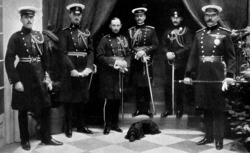
Following the Boer War, Birdwood continued to serve as Kitchener's assistant military secretary and interpreter in India. By 1911, he had reached the rank of major general, serving as the quartermaster-general in India and a member of the Viceroy's Legislative Council.
The First World War: Gallipoli and the ANZACs
In November 1914, Lord Kitchener tasked Birdwood with forming an army corps from Australian and New Zealand troops training in Egypt. This formation became the Australian and New Zealand Army Corps (ANZAC). Promoted to temporary lieutenant general, Birdwood led these forces during the Gallipoli campaign in 1915.
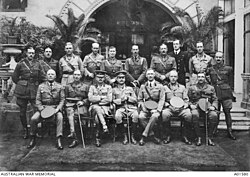
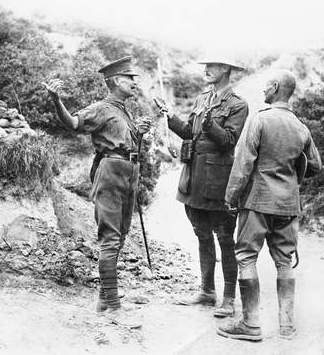
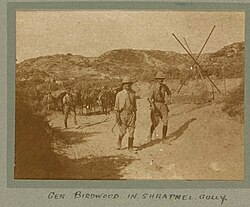
While Birdwood launched a major attack on Ottoman positions during the Battle of Sari Bair in August 1915, the campaign struggled to achieve its primary objectives. Notably, Birdwood was the only corps commander who opposed abandoning the peninsula. Despite this, he successfully led the evacuation of the forces in December 1915 and January 1916, a maneuver executed without significant Ottoman reaction.
Command on the Western Front
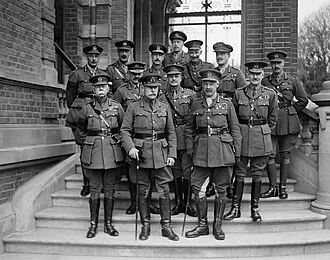
After the evacuation from Gallipoli, Birdwood's command shifted to France. He initially led the II ANZAC Corps before taking over the overall command of the Australian Corps in November 1917. His leadership extended further in May 1918 when he was given command of the British Fifth Army.
Under his leadership, the Fifth Army played a crucial role in the closing stages of the war, including the liberation of Lille in October 1918 and Tournai in November 1918.
Post-War Career and Later Years
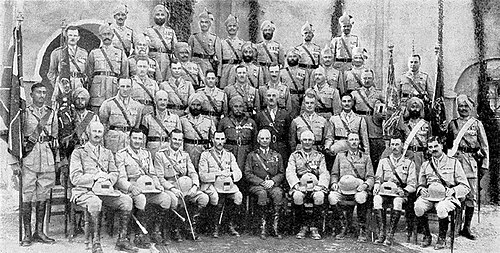
Following the war, Birdwood was created a Baronet in 1919. He returned to India, serving as general officer commanding the Northern Army in 1920 and eventually as Commander-in-Chief, India, in 1925, retiring with the rank of field marshal.
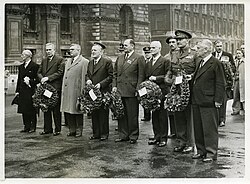
In his retirement, Birdwood remained a respected figure. Although he was passed over for the role of Governor-General of Australia due to political preferences of Prime Minister James Scullin, he served as the Master of Peterhouse, Cambridge. In 1938, he was raised to the peerage as Baron Birdwood in recognition of his wartime service.
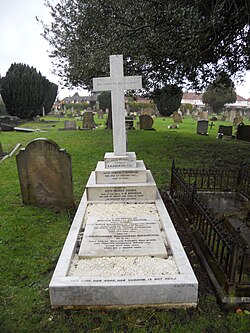
Birdwood spent his final years in grace-and-favour apartments at Hampton Court Palace. He passed away in 1951 and was buried with full military honours at Twickenham Cemetery, a grave whose upkeep is still funded by the Australian Government.
Summary of Service and Honors
| Category | Details |
|---|---|
| Primary Allegiance | United Kingdom / British Indian Army |
| Key Commands | ANZAC, Australian Corps, British Fifth Army, C-in-C India |
| Major Awards | GCB, GCSI, GCMG, GCVO, CIE, DSO |
| Notable Publications | Khaki and Gown (1941), In my time (1946) |
| Family Legacy | Succeeded by Christopher Birdwood, 2nd Baron Birdwood |
Frequently Asked Questions
What was Lord Birdwood's role in the Gallipoli campaign?
Lord Birdwood was the commander of the Australian and New Zealand Army Corps (ANZAC). He led the initial landings on the peninsula and later commanded the Dardanelles Army, eventually overseeing the successful evacuation of Allied forces.
Which armies did Birdwood command on the Western Front?
On the Western Front, Birdwood commanded the Australian Corps and later the British Fifth Army, leading them during the liberation of Lille and Tournai in 1918.
What was Birdwood's relationship with Lord Kitchener?
Birdwood worked closely under Lord Kitchener for many years, serving as his staff officer during the Second Boer War and later as his military secretary and interpreter in India.
Why is the Australian Government involved in his burial?
Due to his significant leadership of Australian forces during World War I and the deep respect he earned from the troops, the Australian Government pays for the upkeep of his grave in Twickenham Cemetery.
What is Birdwood House in Western Australia?
Birdwood House in Geraldton is a heritage-registered building built in 1935 for the Geraldton RSL. It is named after Lord Birdwood and serves as a center for ANZAC Day commemorations.