Exploring the Faroe Islands: A Guide to the North Atlantic Archipelago
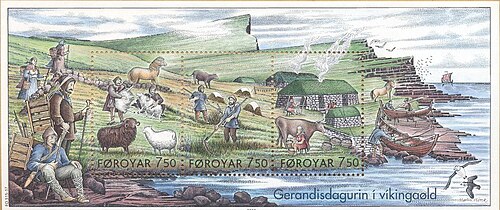
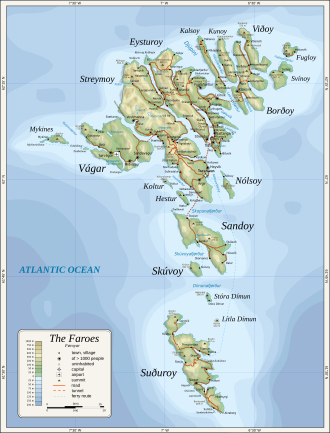
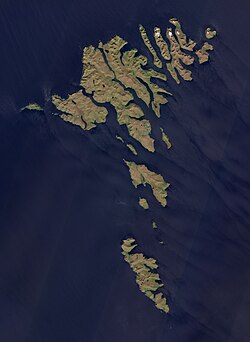
Nestled in the North Atlantic Ocean, the Faroe Islands (known locally as Føroyar) represent a rugged and captivating autonomous territory within the Kingdom of Denmark. This archipelago, characterized by dramatic cliffs, emerald mountains, and a deep-rooted maritime history, offers a unique glimpse into North Atlantic life. From its Viking Age origins to its modern status as a highly developed society, the Faroe Islands remain a place where tradition and modernity coexist amidst unpredictable weather and breathtaking landscapes.
Key Facts
- Status: Autonomous territory within the Kingdom of Denmark.
- Capital: Tórshavn.
- Population: Approximately 56,210 (2025 estimate).
- Official Languages: Faroese and Danish.
- Currency: Faroese króna and Danish krone.
- Geography: Total area of 1,393 km².
History and Governance
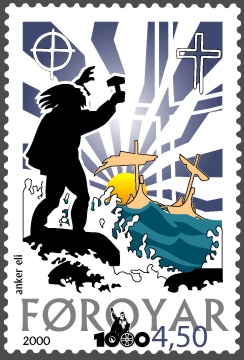
The history of the Faroe Islands is deeply intertwined with the shifting powers of the North Atlantic. Settlement is believed to have begun in the early 9th century, with the islands later entering a union with Norway around 1035. Following the Kalmar Union (1397–1523) and the subsequent Denmark-Norway period, the islands were unified with Denmark on January 14, 1814.
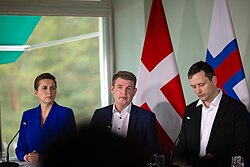
In the modern era, the islands have moved toward greater self-governance. Following an independence referendum in 1946, Home Rule was established on March 23, 1948. This autonomy was expanded further on July 29, 2005. Today, the islands operate under a devolved government within a parliamentary constitutional monarchy, led by the Faroese Prime Minister and the Danish Monarch, Frederik X.
Political Structure
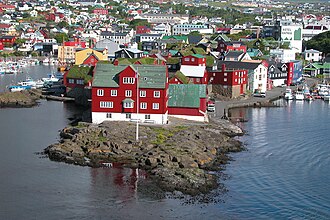
The Faroese government manages local affairs through the Løgting (the local legislature), while representation in the Danish realm legislature, the Folketinget, is maintained by two members. The administrative center is located in the capital, Tórshavn.
Geography and Climate
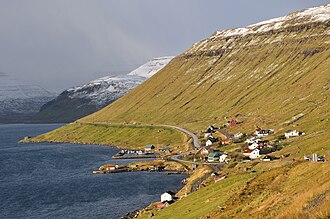
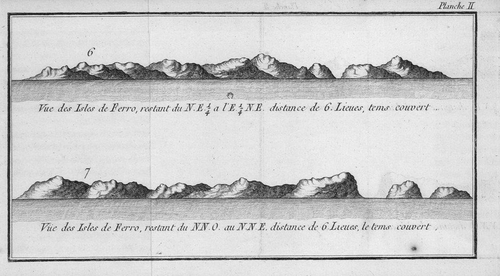
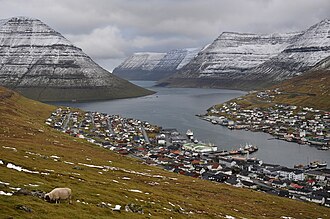
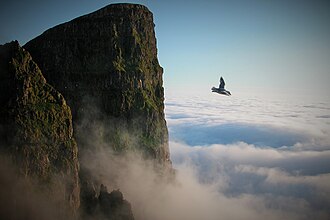
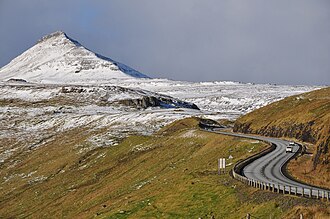
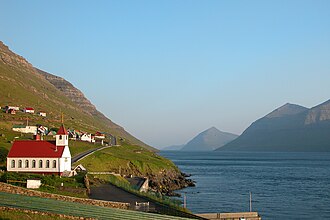
The Faroe Islands consist of a series of islands characterized by steep mountains and deep fjords. The highest elevation is found at Slættaratindur on Eysturoy, reaching 880 meters. Other notable peaks include Gráfelli, Villingadalsfjall, Kúvingafjall, and Teigafjall.
The climate is famously unpredictable. Located in the North Atlantic, the islands experience high humidity (averaging around 88-90%) and significant precipitation throughout the year. While summers are mild, with record highs reaching approximately 22°C, winters can be harsh, with temperatures occasionally dropping to -11°C.
Flora and Fauna
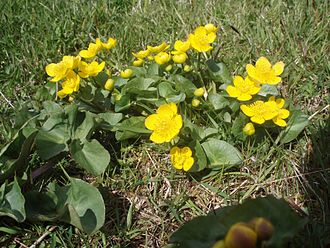
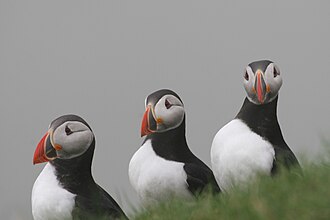
The islands' ecosystem supports a variety of specialized life. In the spring and summer, the landscape is often dotted with the marsh marigold (Caltha palustris). The avian population is a significant feature of the islands, particularly the Atlantic puffin, which is common in the region.
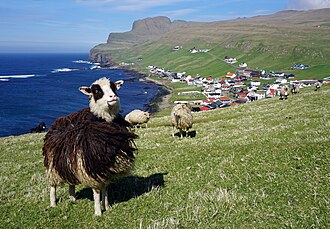
The livestock industry is also vital, with sheep being a prominent presence across the islands' hillsides.
Culture and Society
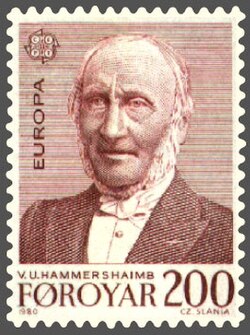
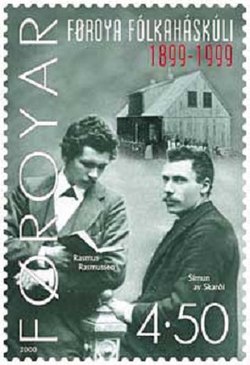
Faroese culture is a rich tapestry of language, music, and tradition. The Faroese language is a central pillar of identity, supported by a history of literature and linguistic preservation. Notable figures include the 19th-century linguist V. U. Hammershaimb and poets such as Símun av Skarði.
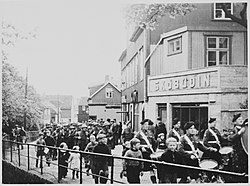
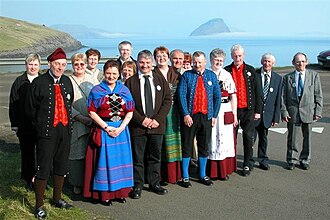
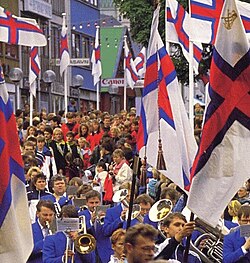
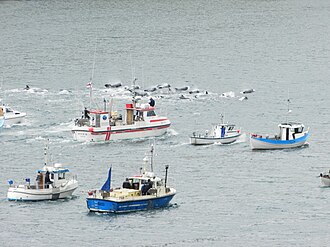
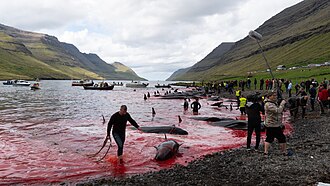
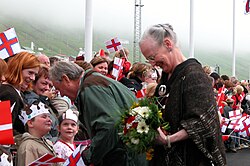
Traditional customs, such as folk dancing and national parades like Ólavsøka, continue to bring communities together. The islands also maintain unique culinary traditions, which include local seafood and practices such as the Grindadráp (whaling).
Economy and Infrastructure
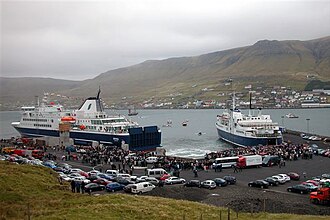
The economy is robust, with a high GDP per capita. Transportation is essential for connecting the islands, utilizing a network of roads, ferries, and tunnels. The ferry MS Smyril is a key link for maritime travel between the islands.
Summary of Key Statistics
| Category | Details |
|---|---|
| Capital City | Tórshavn |
| Total Area | 1,393 km² |
| Population (2025 Est.) | 56,210 |
| Highest Peak | Slættaratindur (880 m) |
| Official Languages | Faroese, Danish |
| GDP per capita (2024 Est.) | US$ 81,908 (PPP) |
Frequently Asked Questions
What is the political status of the Faroe Islands?
The Faroe Islands are an autonomous territory within the Kingdom of Denmark. While they have their own government and legislature (the Løgting) to manage local affairs, they remain part of the Danish realm.
What are the main languages spoken in the Faroe Islands?
The two official languages are Faroese, which is the native language of the inhabitants, and Danish.
What is the weather like in the Faroe Islands?
The climate is maritime and highly changeable. It is characterized by high humidity, frequent precipitation, and relatively mild temperatures for its North Atlantic location, though it can be quite windy and unpredictable.
How do people travel between the islands?
Travel is facilitated through a combination of roads, tunnels, and ferries. The ferry system, including vessels like the MS Smyril, plays a crucial role in connecting the various islands.
What are the highest mountains in the archipelago?
The highest peak is Slættaratindur at 880 meters. Other prominent mountains include Gráfelli, Villingadalsfjall, Kúvingafjall, and Teigafjall.