Greenland: The History, Culture, and Geography of the World's Largest Island
Greenland, known natively as Kalaallit Nunaat, is a land of immense scale and profound history. As an autonomous territory within the Kingdom of Denmark, it represents a unique intersection of ancient Arctic traditions and modern political evolution. Spanning over 2 million square kilometers, this massive island is defined by its vast ice sheets, rugged bedrock, and a resilient population that has adapted to one of the Earth's most challenging environments for millennia.
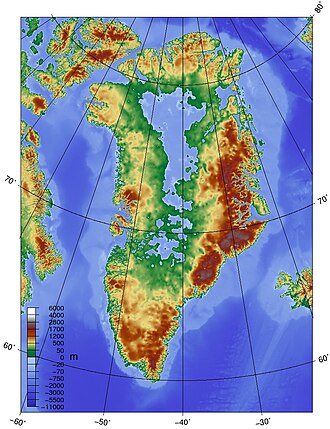
Key Facts
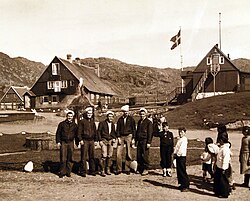
- Status: Autonomous territory within the Kingdom of Denmark.
- Capital: Nuuk, the largest city and administrative center.
- Population: Approximately 56,831 (2025 estimate).
- Official Language: Greenlandic (Kalaallisut).
- Primary Religion: Christianity (predominantly Lutheranism).
- Largest Feature: A massive ice sheet that has declined by an average of 266 billion metric tons per year since 2002.
A Journey Through Time: From Paleo-Inuit to the Modern Era
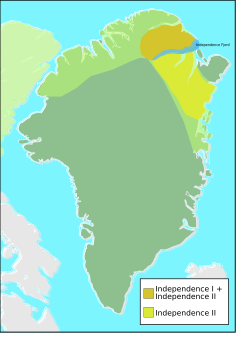
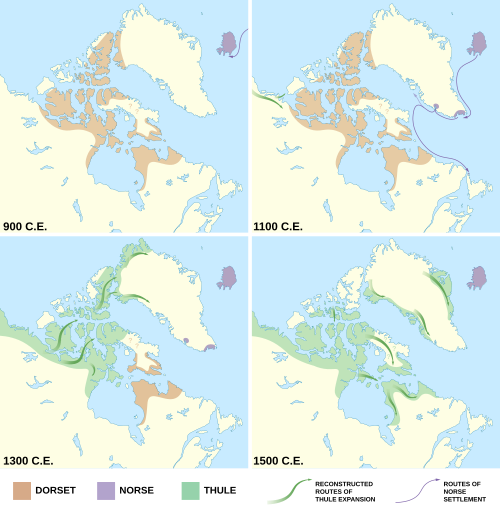
The human history of Greenland is a saga of migration and settlement. The earliest inhabitants, the Paleo-Inuit, began settling the island around 2500 BC. These early cultures laid the foundation for the long-standing relationship between the people and the Arctic landscape.
In 986 AD, a new chapter began with the arrival of the Norse settlers. This period saw the establishment of Norse communities that existed alongside indigenous cultures for centuries. However, these settlements eventually disappeared, a mystery that historians continue to study through archaeological evidence.
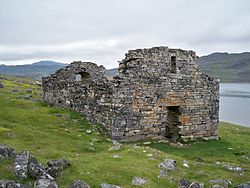
The last recorded evidence of the Norse presence in Greenland is a marriage documented at Hvalsey Church in 1408. Today, this site remains the best-preserved Norse ruin on the island.
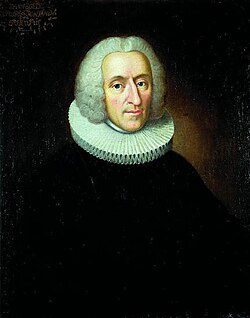
Following the Norse era, the Thule culture became the dominant presence. Modern Greenlandic identity is deeply rooted in this Inuit heritage. The relationship with Denmark evolved significantly over the centuries, moving from early colonization and resettlement in the 1700s toward the modern era of self-governance.
Political Evolution and Autonomy
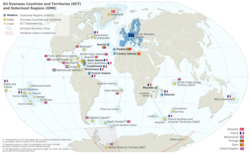
Greenland's political status has undergone a dramatic transformation. After being unified with Denmark in 1814, the territory began a steady march toward greater independence. A major milestone occurred on May 1, 1979, when Home Rule was established.
This progress continued on June 21, 2009, with the implementation of Self-Rule, granting the Greenlandic people significantly more control over their internal affairs. While Greenland manages much of its own governance through the Inatsisartut (the Greenlandic legislature), certain areas such as foreign, defense, and security policy remain under the jurisdiction of the Danish Parliament (Folketinget) in Copenhagen.
![Christiansborg in Copenhagen, seat of the Danish Parliament, from where Greenland's foreign, defence and security policy is decided[165]](/images/3a/c5/3ac556e4ca43605597b1de5468ead742fb6f3e80d6f673f32bbc38bb367714fc.jpg)
Recent political developments have highlighted Greenland's strategic importance. In January 2026, Greenlandic leader Jens-Frederik Nielsen made headlines by reaffirming ties with Denmark in response to international geopolitical pressures.
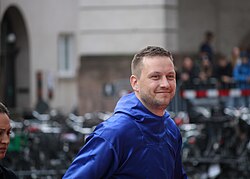
![Greenlandic leader Jens-Frederik Nielsen announcing "We choose Denmark" at a January 2026 press conference with Mette Frederiksen in response to Trump's threats to invade or annex the country[92][93]](/images/f7/88/f78811ef4b5b98d03601bf2d9dfc5b0527094eb7b3093a8f4230e3dde2adb62f.jpg)
Geography and the Changing Arctic Climate
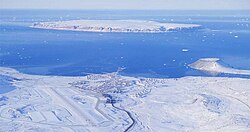
Greenland's geography is dominated by its massive ice sheet. The elevation of the bedrock and the sheer volume of ice define the island's physical character. However, this landscape is changing rapidly due to climate change.
![The mass of Greenland's ice sheet has declined an average 266 billion metric tons per year since 2002.[113]](/images/8d/66/8d663a6e710dbe9605660b1cfb079cdb47c7f657ebe29ef5ba6ae0b44a38298c.webp)
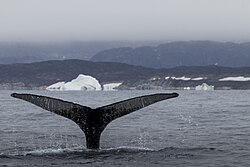
The environmental shifts have significant implications for the island's biodiversity and its people. Despite the ice, the waters surrounding Greenland are rich with life, including species like the humpback whale, which can be seen in areas such as Disko Bay.
Demographics and Modern Society
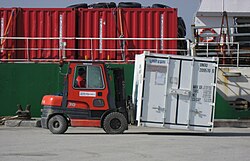
The population of Greenland is predominantly Greenlandic Inuit (89.51%), with significant Danish and other Nordic minorities. The society is highly developed, boasting a "very high" Human Development Index (HDI) of 0.852.
Urbanization has concentrated much of the population in larger hubs like Nuuk, the capital. Nuuk serves as the heart of Greenlandic culture, education, and commerce, housing the Ilimmarfik (University of Greenland) and various administrative offices.
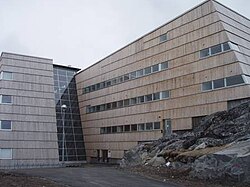
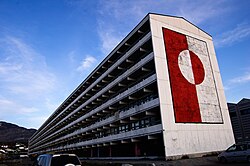
While Nuuk is the center of modern life, many Greenlanders still live in smaller settlements (known as bygder) or municipalities spread across the vast coastline. These communities maintain traditional ways of life while staying connected through modern transport networks, including Air Greenland, the nation's flag carrier.
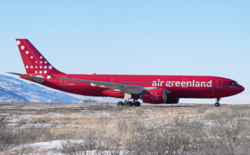
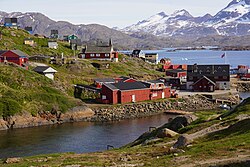
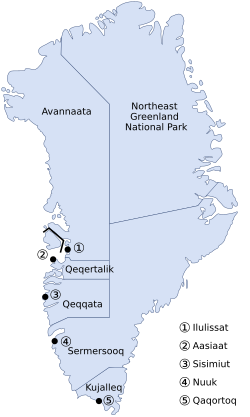
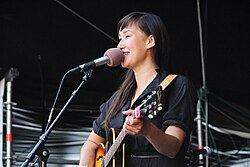
Cultural expression remains vibrant, seen in everything from traditional music and film to the unique Greenlandic cuisine. The blend of ancient Inuit traditions and modern influences creates a rich, multifaceted national identity.
Summary of Greenlandic Statistics
| Category | Value/Detail |
|---|---|
| Total Area | 2,166,086 km² |
| Population (2025 est.) | 56,831 |
| GDP per capita (PPP, 2023) | $78,840 |
| HDI (2023) | 0.852 (Very High) |
| Official Language | Greenlandic |
| Currency | Danish krone (DKK) |
Frequently Asked Questions
Is Greenland an independent country?
No, Greenland is an autonomous territory within the Kingdom of Denmark. While it has significant self-rule over internal matters, Denmark retains responsibility for certain areas like foreign policy and defense.
What is the capital of Greenland?
The capital and largest city of Greenland is Nuuk.
What are the main languages spoken in Greenland?
The official language is Greenlandic (Kalaallisut). Danish, English, and other languages are also recognized and used as necessary.
How has the Greenland ice sheet changed recently?
Since 2002, the mass of Greenland's ice sheet has declined by an average of 266 billion metric tons per year.
What is the primary religion in Greenland?
The vast majority of the population (96.1%) identifies as Christian, with Lutheranism being the official and most practiced denomination.
Who governs Greenland?
Greenland has a devolved parliamentary government. The local government is led by the Greenlandic Prime Minister, while the Kingdom of Denmark is headed by Monarch Frederik X.