Exploring Denmark: A Comprehensive Guide to the Kingdom
Denmark is a nation where ancient Viking heritage meets modern, high-functioning social democracy. As a constituent part of the Kingdom of Denmark, this European nation is defined by its rich history, high quality of life, and a unique political structure that balances a constitutional monarchy with a parliamentary system. From the rugged landscapes of Greenland to the bustling streets of Copenhagen, Denmark offers a diverse tapestry of culture, economy, and tradition.
Key Facts
- Capital: Copenhagen
- Government: Unitary parliamentary constitutional monarchy
- Monarch: Frederik X
- Prime Minister: Mette Frederiksen
- Official Language: Danish
- Currency: Danish krone
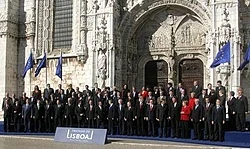
- EU Membership: Joined in 1973
Geography and Administrative Structure
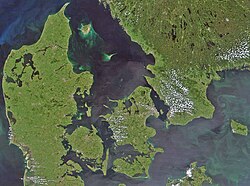
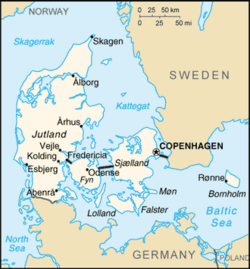
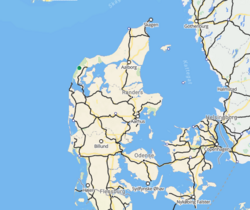
Denmark is located in Northern Europe and consists of the Jutland peninsula and numerous islands. The nation's total area is 43,094 km², with a very small percentage of water covering the landmass. The highest elevation in the country is found at Møllehøj, reaching 170.86 meters.
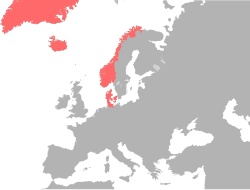
The Danish Realm and Autonomous Territories
The Kingdom of Denmark is more than just the mainland; it includes two significant autonomous territories that maintain their own local governments:
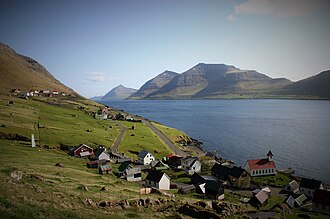
- Faroe Islands: Located in the North Atlantic, with its capital at Tórshavn and a local parliament known as the Løgting.
- Greenland: A vast territory with its capital in Nuuk and a local parliament called the Inatsisartut.
Regional Divisions
For administrative purposes, Denmark is divided into five primary regions:
- Capital Region of Denmark (Hovedstaden): Centered in Hillerød, containing the largest city, Copenhagen.
- Central Denmark Region (Midtjylland): Centered in Viborg, with Aarhus as its largest city.
- North Denmark Region (Nordjylland): Centered in Aalborg.
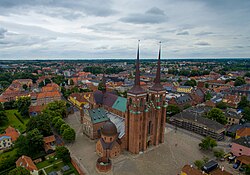
- Region Zealand (Sjælland): Centered in Sorø, with Roskilde as its largest city.
- Region of Southern Denmark (Syddanmark): Centered in Vejle, with Odense as its largest city.
History: From Prehistory to Modernity
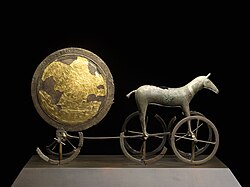
Denmark's history is a long journey from the Nordic Bronze Age through the powerful Viking era and into the modern constitutional era. The nation's roots are visible in archaeological treasures like the Trundholm sun chariot.
The Viking and Middle Ages
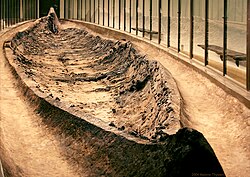
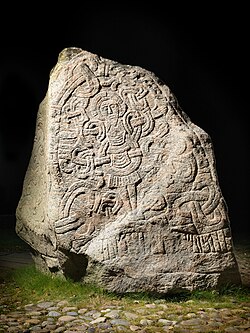
The Viking Age left an indelible mark on Danish identity, evidenced by significant finds such as the Ladby ship burial. During the Middle Ages, Denmark emerged as a significant power, eventually participating in unions like the Kalmar Union. The Jelling stones stand as monumental reminders of this era.
The Path to Democracy
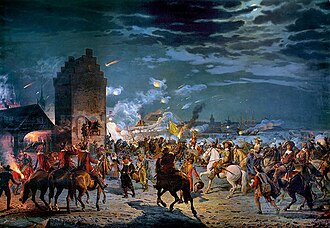
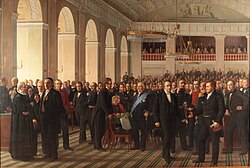
The transition from absolute monarchy to a constitutional system was a pivotal moment in Danish history. The National Constitutional Assembly was convened in 1848, leading to the adoption of the Constitution of Denmark on 5 June 1849. This established the framework for the modern parliamentary system used today.
Government, Law, and Society
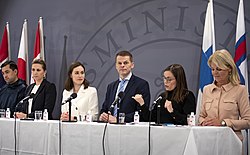
Denmark operates as a unitary parliamentary constitutional monarchy. While King Frederik X serves as the monarch, political power is exercised by the Prime Minister and the Folketing (the Danish legislature). The government is known for its high level of stability and adherence to the rule of law.
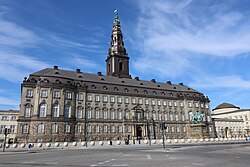
!["With law shall land be built", preamble to the Code of Jutland above Copenhagen Court House. In 2023, the World Justice Project ranked Denmark no. 1 on their rule of law index.[110]](/images/b3/53/b3535c1391b3299c2ee9c7dc5bbe7a9650982e3f16f68a71c1a997f9f73c1868.jpg)
Demographics and Culture
As of 2025, the population is estimated at approximately 6 million people. The society is largely ethnically Danish (83.7%), with a growing diverse population. Lutheranism remains the official religion, practiced by 71.4% of the population, though the country is increasingly secular.
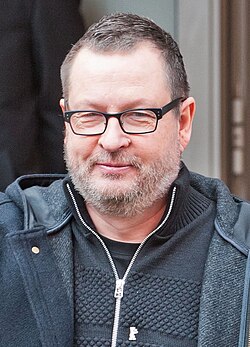
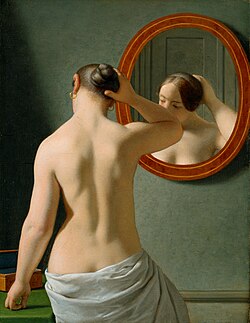
Danish culture is world-renowned, spanning literature, philosophy, and design. From the existentialist works of Søren Kierkegaard to the modern "Dogme 95" film movement, Denmark has consistently influenced global intellectual and artistic trends.
Economy and Infrastructure
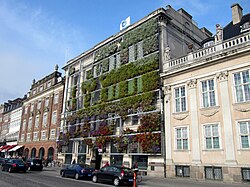
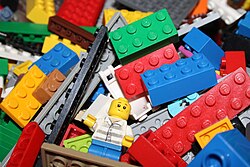
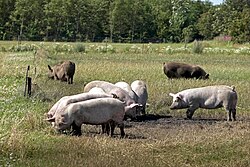
Denmark boasts a highly developed economy with a high Human Development Index (HDI). The nation is a major player in international trade, particularly in sectors like agriculture (pork products), pharmaceuticals, and green energy.
Energy and Innovation
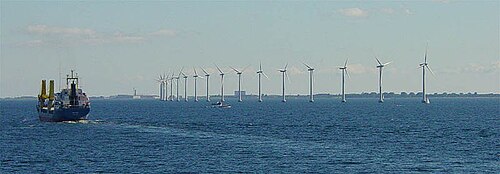
A leader in the green transition, Denmark invests heavily in renewable energy, such as offshore wind farms. The country also maintains a strong presence in scientific research and international technological collaborations.
![With an investment of 8.5 million euros over the ten-year construction period, Denmark confirms participation in E-ELT.[179]](/images/ba/e5/bae5e2901f579e826404b9d36bd88434316bd9e478465310d451a5ac841a7e91.jpg)
Transport and Connectivity
The nation is well-connected through an extensive railway network and world-class aviation hubs. Copenhagen Airport serves as a vital gateway for Scandinavia and Europe.
![Copenhagen Airport is the largest airport in Scandinavia and the 15th-busiest in Europe.[190]](/images/d7/71/d77189954b5e7f0c16049ab7b3ba725daf0f35aa0ee0857b65c74f25b5cb0c57.jpg)
Summary of Key National Indicators
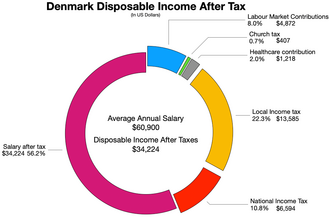
| Indicator | Value/Detail |
|---|---|
| Population (2025 Est.) | 6,001,008 |
| GDP (PPP) 2026 Est. | $541.335 billion |
| GDP per capita (Nominal) 2026 Est. | $83,445 |
| HDI (2023) | 0.962 (Very High) |
| Gini Coefficient (2022) | 27.7 (Low) |
Frequently Asked Questions
![Rigshospitalet in Copenhagen, the most specialised hospital in Denmark, receiving over 350,000 unique patients a year[230]](/images/7f/07/7f072badb2cc1eb777178496122e33d0e9fbf172d7c3f22a9c0c558776b51c43.jpg)
What is the political system of Denmark?
Denmark is a unitary parliamentary constitutional monarchy. This means it has a monarch (the King) as the head of state, but the actual political power is held by an elected parliament (the Folketing) and a Prime Minister.
What are the autonomous territories of the Danish Realm?
The Danish Realm includes the mainland of Denmark as well as the autonomous territories of the Faroe Islands and Greenland.
Is Denmark part of the European Union?
Yes, Denmark became a member of the European Union in 1973.
What is the official language spoken in Denmark?
The official language is Danish, though German is also recognized as a regional language.
What are some major Danish exports?
Denmark is a significant exporter of various goods, including pork products and products from major global companies like Lego.