Copenhagen: A Comprehensive Overview of Denmark's Vibrant Capital
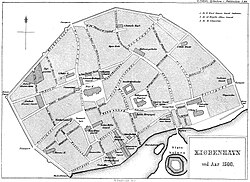
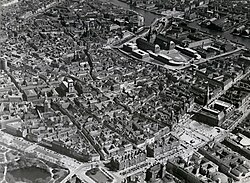
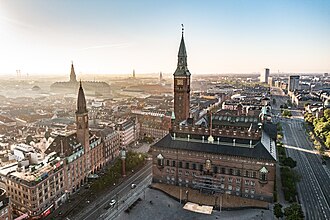
Copenhagen, known in Danish as København, serves as the capital city of Denmark and a central hub within the Danish Realm. Established approximately 859 years ago in 1167, this historic city has evolved from a medieval settlement into a modern, high-density metropolitan area that balances rich cultural heritage with cutting-edge urban living.
As the seat of government and the heart of the nation, Copenhagen manages a complex administrative structure. The city is governed by a Lord Mayor, currently Sisse Marie Welling (SF), and encompasses a municipality that serves as the core of a much larger metropolitan region.
Key Facts
- Established: 1167
- Municipality Area: 90.01 km²
- Metro Population: 2,135,634 (as of 1 January 2026 projection)
- GDP (Metro, 2024): €174.14 billion
- Primary Language: Danish
- Time Zone: UTC+01:00 (CET); UTC+02:00 (CEST) during Summer
Geography and Demographics
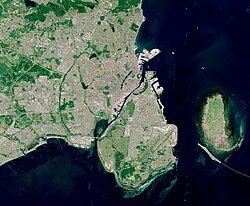
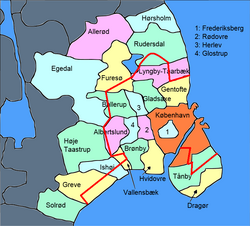
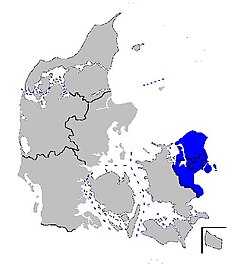
Copenhagen is characterized by its diverse topography, ranging from a low point of 1 meter above sea level to a highest elevation of 91 meters. The city is part of a larger metropolitan area covering 3,371.80 km², making it a significant urban center in Europe.
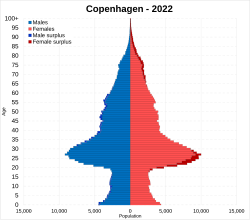
The population of the municipality is approximately 671,714, with a high urban density. The metropolitan area is even more populous, reaching over 2.1 million residents. The city's demographic makeup is diverse; while 73.7% of the population is Danish, there are significant communities from other European nations, Asia, Africa, and beyond.
Climate and Environment
The climate in Copenhagen is influenced by its coastal location. Temperatures vary significantly throughout the year, with summer months seeing mean daily maximums around 22.2°C and winter months dropping to mean daily minimums near 0.7°C. While the city experiences various weather patterns, it is known for its moderate precipitation and seasonal sunshine.
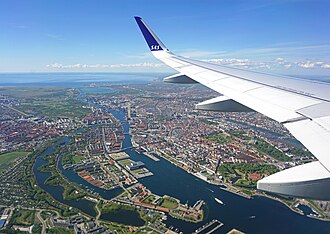
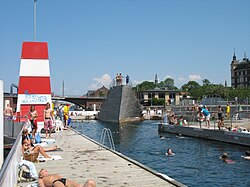
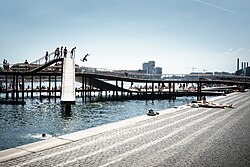
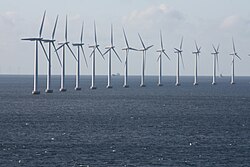
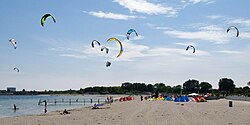
Environmental planning is a key component of the city's modern identity. Copenhagen is recognized for its green initiatives, including the use of offshore wind farms and the development of public spaces like harbour baths that allow residents to interact with the water.
Culture, Landmarks, and Tourism
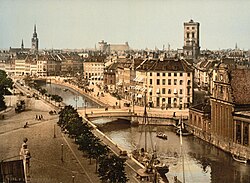
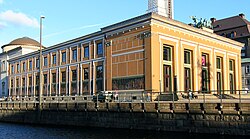
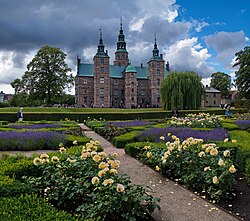
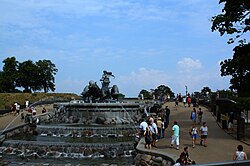
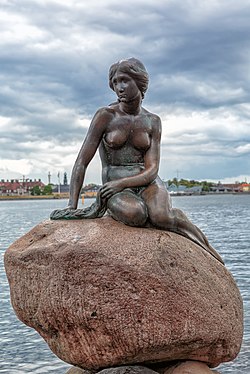
Copenhagen is a cultural powerhouse, home to world-renowned museums, historic palaces, and iconic landmarks. From the historic Tivoli Gardens amusement park to the architectural marvel of the Copenhagen Opera House, the city offers a wealth of experiences for residents and tourists alike.
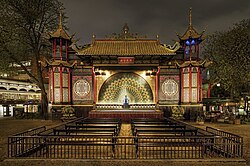
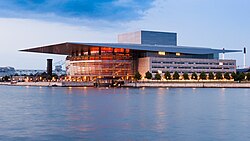
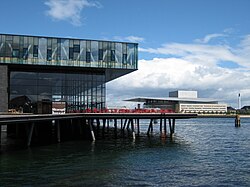
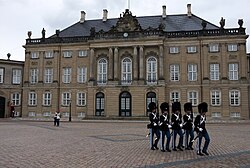
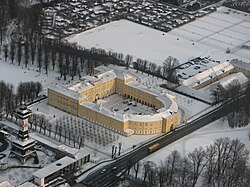
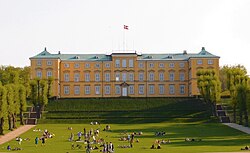
Art lovers can visit the Ny Carlsberg Glyptotek or the Statens Museum for Kunst. The city's skyline is dotted with significant structures, including Christiansborg Palace and Frederik's Church.
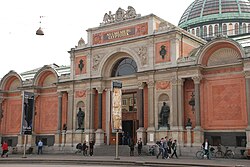
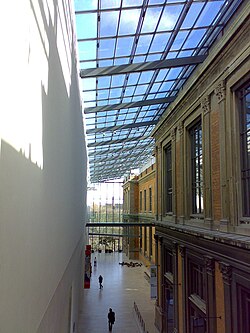
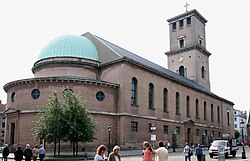
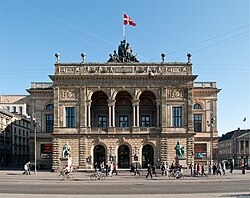
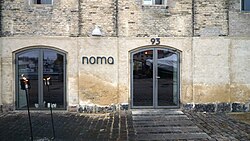
For those seeking a taste of the city's famous culinary scene, Copenhagen is home to experimental restaurants like Noma, which has achieved three Michelin stars.
Urban Life and Infrastructure
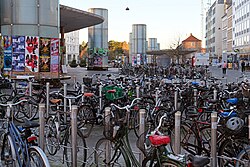
The city is highly functional, with a strong emphasis on cycling and efficient transport. The extensive use of bicycles is a defining characteristic of Copenhagen's daily life, particularly around major hubs like Nørreport station.
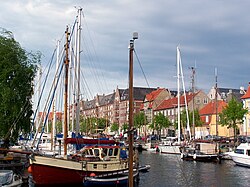
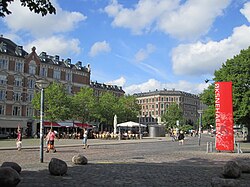
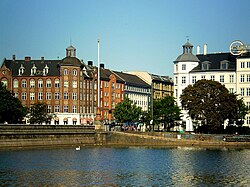
The city's districts, such as Vesterbro, Nørrebro, and Christianshavn, each offer unique atmospheres, from the canal-lined streets of the latter to the vibrant urban energy of the former.
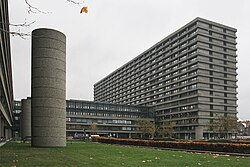
Healthcare is supported by major institutions like Rigshospitalet, one of the largest hospitals in the country.
Summary of Copenhagen Statistics
| Category | Municipality | Urban Area | Metropolitan Area |
|---|---|---|---|
| Area (km²) | 90.01 | 525.50 | 3,371.80 |
| Population | 671,714 | 1,408,575 | 2,135,634 |
| Density (per km²) | 7,411.38 | 2,560.54 | 633.38 |
Frequently Asked Questions
When was Copenhagen established?
Copenhagen was established in the year 1167.
What is the main language spoken in Copenhagen?
The primary language spoken in Copenhagen is Danish.
How large is the Copenhagen metropolitan area?
The Copenhagen metropolitan area covers approximately 3,371.80 km².
What is the climate like in Copenhagen?
Copenhagen has a temperate climate with mean daily maximum temperatures ranging from approximately 3.4°C in January to 22.2°C in July.
Is Copenhagen a major economic hub?
Yes, the Copenhagen metropolitan area had a nominal GDP of €174.14 billion in 2024.