Extinct Species: Causes, Classifications, and Global Records
Extinction is a fundamental biological process where a species ceases to exist. While some disappearances are the result of gradual natural shifts, others are abrupt. The loss of a species occurs when the last remaining individual of that group dies, leaving no descendants to carry on the genetic lineage.
The drivers of extinction are diverse. Natural occurrences, such as catastrophic disasters or significant shifts in the Earth's ecosystem, have historically shaped the variety of life. In more recent times, human influences have accelerated this process through the destruction of natural habitats and over-hunting.
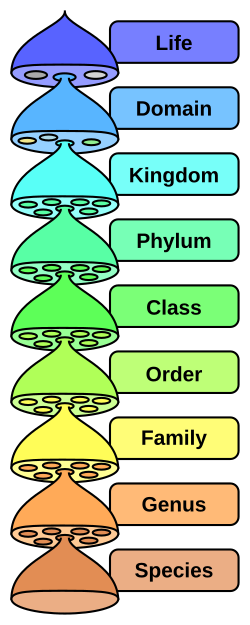
To categorize these losses, scientists use a structured system of biological classification to organize organisms into specific ranks.
Key Facts
- Extinction occurs due to both natural ecosystem shifts and human activities like habitat destruction.
- A species is presumed extinct when surveys of historical habitats fail to locate any living individuals.
- Extinct in the wild refers to species that no longer exist in their natural habitats but survive in captivity.
- An endling is the final individual of a moribund species.
- Records of extinction span from prehistoric fossil taxa to recent losses in the Holocene epoch.
Defining Extinction and Its Stages
Determining whether a species is truly gone requires rigorous scientific surveying. When researchers can no longer find individuals within the species' expected or historical range, the species is presumed extinct.
However, there are nuanced categories for species on the brink. Some are classified as extinct in the wild, meaning they are only found in controlled environments such as zoos or botanical gardens. In the most tragic stage of a species' decline, the discovery of a single remaining member identifies that individual as an endling.
Global Distribution of Extinctions
Extinction events are recorded globally, with significant data available for the Holocene—the current geological epoch. These records are often categorized by region to better understand local environmental impacts.
Regional Animal Losses
- Africa and Indian Ocean: Including Madagascar and various island chains.
- Europe: Including the British Isles and specific Late Pleistocene mammal records.
- Asia: Comprehensive lists of species lost across the continent.
- The Americas: Covering North America, South America, the Antilles, Bermuda, and the Galapagos Islands.
- Oceania: Including Australia-New Guinea, Hawaii, and New Zealand.
Fossil Taxa and Prehistoric Life
Beyond recent losses, paleontology provides a window into prehistoric extinctions. Fossil taxa—groups of organisms preserved in the fossil record—include diverse genera of dinosaurs, prehistoric fish, fossil primates, and ancient bird species from the Late Quaternary period.
Recent Extinction Trends
Recent history has seen a wide array of organisms vanish. These losses are documented across various biological groups, including plants and a vast range of animal classes.
| Category | Examples of Documented Losses |
|---|---|
| Plants | Various recently extinct flora species |
| Mammals | Recently extinct mammals and specific dog breeds |
| Birds | Extinctions tracked by year |
| Reptiles & Amphibians | Recently extinct reptiles and amphibians |
| Invertebrates | Arthropods, insects, molluscs, and other invertebrates |
| Aquatic Life | Recently extinct fishes |
Frequently Asked Questions
How is a species officially presumed extinct?
A species is presumed extinct after comprehensive surveys of its historical and expected habitats are conducted and no individuals can be located.
What is the difference between extinct and extinct in the wild?
Extinct means no individuals of the species exist anywhere. Extinct in the wild means the species no longer exists in its natural environment but survives in captivity.
What is an endling?
An endling is the very last known individual of a species that is about to become extinct.
What are the primary causes of species extinction?
Extinction is caused by natural occurrences, such as ecosystem shifts and natural disasters, as well as human-driven factors like hunting and the destruction of natural habitats.
Which regions have documented Holocene extinctions?
Holocene extinctions have been documented globally, including in Africa, Asia, Europe, North and South America, and Oceania.