Critically Endangered Species: Criteria, Causes, and the IUCN Red List
The natural world is currently facing an extinction crisis, with many species disappearing at rates far exceeding natural background levels. To track and combat this loss, the International Union for Conservation of Nature (IUCN) maintains the Red List, a comprehensive inventory that evaluates the global conservation status of biological species. Among its categories, the designation of Critically Endangered (CR) serves as a final warning: these species face an extremely high risk of extinction in the wild.
As of March 2026, the IUCN Red List includes 172,620 species. Of these, 10,774 (approximately 6.2%) are classified as critically endangered. This group includes 1,406 species that are possibly extinct and 64 that are possibly extinct in the wild. Interestingly, plants make up the majority of this list, with 6,445 species (59.8%) categorized as CR, followed by 4,277 animal species, 48 fungi species, and 4 chromista species.
Key Facts
- Definition: A species is Critically Endangered when it faces an extremely high risk of extinction in the wild.
- Prevalence: Roughly 6.2% of all species on the IUCN Red List are critically endangered.
- Plant Dominance: Nearly 60% of all critically endangered species are plants.
- Classification: The CR status falls under the broader "Threatened" category of the IUCN system.
- Strict Standards: A species is not listed as extinct until extensive targeted surveys have been conducted.
How the IUCN Determines Conservation Status
The IUCN Red List uses seven different categories to represent varying levels of global extinction risk. These categories are determined by analyzing habitat range, population size, specific threats, and overall habitat quality. Because the IUCN requires rigorous evidence before declaring a species extinct, those that are "possibly extinct" or "possibly extinct in the wild" remain listed as critically endangered.
The Five Criteria for Critically Endangered Status
To be classified as critically endangered, a species must meet at least one of the following five scientific criteria (A–E):
- Population Reduction: A decline of ≥ 90% over 10 years or three generations (if causes are understood, ceased, and reversible), or a decline of ≥ 80% if causes are not fully understood or reversible.
- Geographic Range: An extent of occurrence less than 100 km or an area of occupancy less than 10 km, combined with severe fragmentation, continuing decline, or extreme fluctuations in population or habitat.
- Small Population Size: Fewer than 250 mature individuals, combined with a projected decline of 25% within 10 years/three generations, or a specific fragmented population structure.
- Very Small Population: A total population estimated at fewer than 50 mature individuals.
- Quantitative Analysis: A mathematical probability of extinction in the wild of at least 50% within 10 years or three generations.
Primary Causes of Species Decline
While natural forces can stress populations, the current acceleration of extinction is largely attributed to human impact on climate change and the loss of biodiversity (the variety of life in a particular habitat). The most significant driver is habitat loss, where urbanization, agriculture, and pollution destroy the resources species need to survive.
Other critical threats include the introduction of invasive species—non-native organisms that outcompete native wildlife for resources—and the spread of diseases. Native species often lack the biological resistance to survive new pathogens introduced into their environment.
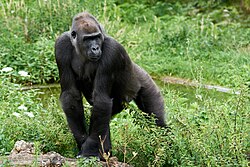
Notable Examples of Critically Endangered Species
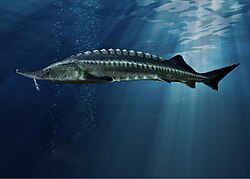
Across the globe, thousands of animals and plants are fighting for survival. In the ocean, the great hammerhead shark and the Beluga sturgeon (Huso huso) face extreme risks due to overfishing and the demand for caviar.
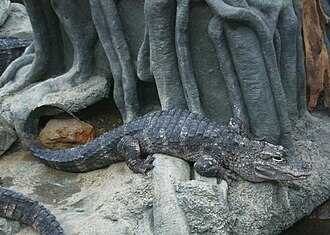
On land, mammals such as the Vaquita, Amur leopard, Saola, Sumatran orangutan, and various pangolin species are at critical risk. The avian world includes the California condor and the Kākāpō, while the reptile and amphibian worlds struggle with the loss of the Hawksbill sea turtle, Yangtze giant softshell turtle, Axolotl, Chinese giant salamander, and Panamanian golden frog.
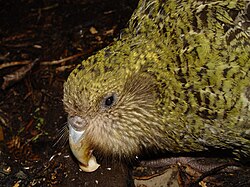
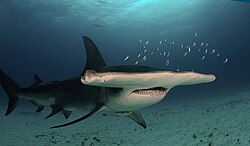
Among plants, the Wollemi pine stands as one of the most famous examples of a critically endangered "living fossil."
| Category | Number of Species | Percentage of CR Total |
|---|---|---|
| Plants | 6,445 | 59.8% |
| Animals | 4,277 | ~39.7% |
| Fungi | 48 | <1% |
| Chromista | 4 | <1% |
| Total | 10,774 | 100% |
Frequently Asked Questions
What is the difference between endangered and critically endangered?
While both are in the "Threatened" category, critically endangered species face an extremely high risk of extinction in the wild, meeting more severe population decline or range restriction criteria than those listed simply as endangered.
Why are plants more common on the critically endangered list than animals?
According to IUCN data, plants make up 59.8% of critically endangered species, totaling 6,445 species, which is significantly higher than the 4,277 animal species listed.
What happens if a species is "possibly extinct"?
The IUCN does not officially classify a species as extinct until extensive targeted surveys are completed. Therefore, species that are possibly extinct or possibly extinct in the wild are still categorized as critically endangered.
What are the main human activities causing these extinctions?
The primary drivers are habitat loss caused by urbanization, agriculture, and pollution, as well as the introduction of invasive species and human-driven climate change.
How many mature individuals trigger a CR classification?
A species can be classified as critically endangered if its population is estimated to be fewer than 50 mature individuals, or fewer than 250 mature individuals if there is a continuing decline.