Estudiantes de La Plata: A Legacy of Argentine Football Excellence
Founded in the heart of La Plata, Club Estudiantes de La Plata stands as one of Argentina's most storied and successful football institutions. Known by the nicknames Los Pincharratas (The Rat Stabbers) and El León (The Lion), the club has evolved from a breakaway group of enthusiasts into a global powerhouse with a trophy cabinet that commands respect across South America and beyond.
Estudiantes is celebrated not only for its tactical discipline but for breaking the hegemony of Argentina's traditional "big five" clubs, proving that strategic brilliance and determination can overcome established dominance.
Key Facts
- Founded: August 4, 1905.
- Major Honors: 4 Copa Libertadores titles and 5 Argentine Primera División titles.
- Historic Milestone: First club outside the "big five" to win a professional league title (1967).
- Home Ground: Estadio Jorge Luis Hirschi (Capacity: 32,530).
- All-Time Legend: Manuel Pelegrina holds the records for both most appearances and most goals.
The Early Years and the Rise to Prominence
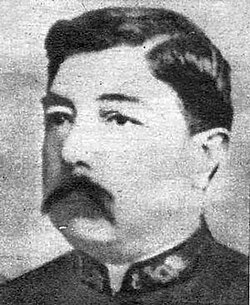
The club was born out of a desire for better management. In 1905, players and fans broke away from Gimnasia y Esgrima after the latter's leadership neglected football. On August 4, 1905, the club was officially founded in the "New York" shoe store on 7th Street, with Miguel Gutiérrez serving as the first president.
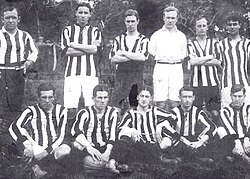
Initially, the club adopted red and white stripes to honor the legendary Alumni team. However, league authorities forced a modification to a red shirt with a white chest stripe to avoid confusion. The club's early competitive success peaked in 1913 when they secured their first Primera División title while playing in the Federación Argentina de Football (FAF).
The Era of "The Professors"
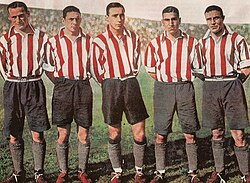
As Argentine football transitioned to professionalism in 1931, Estudiantes introduced a legendary offensive lineup known as Los Profesores ("The Professors"). This group—comprising Miguel Ángel Lauri, Alejandro Scopelli, Alberto Zozaya, Manuel Ferreira, and Enrique Guaita—is still regarded as one of the finest attacking units in the nation's history.
Breaking the "Big Five" and International Glory
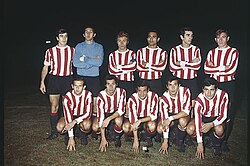
For decades, Argentine football was dominated by the "big five" (Boca Juniors, River Plate, Racing Club, Independiente, and San Lorenzo). This changed in 1967 when coach Osvaldo Zubeldía led Estudiantes to the Metropolitano championship, shattering the glass ceiling for smaller clubs.
This domestic success served as a springboard for an unprecedented international run. Between 1968 and 1970, Estudiantes won three consecutive Copa Libertadores titles. They further cemented their global status by winning the 1968 Intercontinental Cup against Manchester United and the inaugural Copa Interamericana.
The Influence of Carlos Bilardo
Carlos Bilardo, a former player, became the architectural mind behind the club's continued success. His tenure as coach saw the team win the 1982 Metropolitano championship. Bilardo's tactical rigor later translated to the international stage, where he led the Argentina national team to victory in the 1986 FIFA World Cup.
Bilardo returned to the club in 2003 to rebuild the squad, laying the groundwork for a new era of competitiveness. This period saw the rise of young talents and the return of the iconic Juan Sebastián Verón.
Modern Success and the 2006 Triumph
Under the guidance of Diego Simeone in 2006, Estudiantes experienced a resurgence. The team dominated the Apertura campaign, including a historic 7–0 victory over rivals Gimnasia in the La Plata derby. The season culminated in a dramatic 2–1 victory over Boca Juniors in a winner-take-all final, securing the league title.
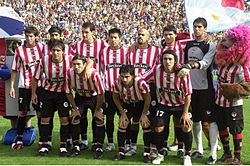
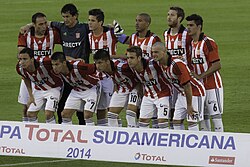
The success continued into 2009 under coach Alejandro Sabella. Estudiantes captured another Copa Libertadores title by defeating Cruzeiro 2–1 on aggregate, earning a place in the FIFA Club World Cup in Abu Dhabi.
Stadium and Facilities
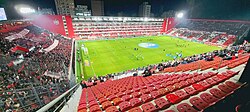
The club's spiritual home is the Estadio Jorge Luis Hirschi. The stadium has a storied history of resilience, having been closed in 2005 due to safety regulations regarding wooden stands. After a period of playing at various venues, including the city stadium and Quilmes Atlético Club's field, the stadium reopened in November 2019 with modern LED lighting and a playmaster surface.
| Category | Details |
|---|---|
| Full Name | Club Estudiantes de La Plata |
| Founded | August 4, 1905 |
| President | Juan Sebastián Verón |
| Manager | Alexander Medina |
| Stadium | Estadio Jorge Luis Hirschi |
| Capacity | 32,530 |
Club Legends
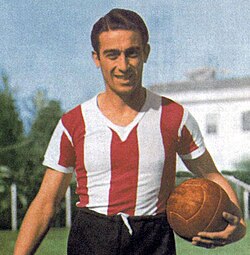
The history of Estudiantes is written by individuals who defined the club's identity. Manuel Pelegrina remains the gold standard for loyalty and performance, holding the records for both most goals (235) and most appearances (489).
Frequently Asked Questions
What does the nickname "Los Pincharratas" mean?
The nickname translates to "The Rat Stabbers," a traditional moniker associated with the club's identity in La Plata.
Why was the 1967 title so significant?
The 1967 Metropolitano title was historic because Estudiantes became the first professional club in Argentina to win a league title outside of the traditional "big five" clubs.
How many Copa Libertadores titles has Estudiantes won?
Estudiantes has won the Copa Libertadores four times, including a remarkable streak of three consecutive titles from 1968 to 1970.
Who is the all-time leading scorer for the club?
Manuel Pelegrina is the all-time leading scorer with 235 goals scored between 1938 and 1956.
What is the significance of "Los Profesores"?
"Los Profesores" refers to a legendary offensive lineup from the early professional era (1931) consisting of Lauri, Scopelli, Zozaya, Ferreira, and Guaita, renowned for their technical skill.