Energy Security and Resilience: Strategies for a Stable Future
For decades, the concept of "energy independence" has been a primary goal for many nations. However, some experts argue that total independence is an unrealistic and opaque objective given the interconnected nature of global markets. Instead, the focus has shifted toward energy resilience—the ability of a system to adjust to and recover from interruptions in energy supply.
Resilience is not merely about where energy comes from, but how it is distributed. As detailed in the 1982 book Brittle Power: Energy Strategy for National Security, domestic production alone does not guarantee security if the infrastructure—such as the electrical grid and gas lines—remains centralized and vulnerable to disruption. True resilience requires a combination of decentralized energy sources, increased efficiency, and reinforced infrastructure.
Former Intel CEO Andrew Grove further emphasized that electrification is a key pillar of resilience. Because electricity is "sticky"—meaning it is consumed where it is produced and cannot be easily transported overseas—increasing the use of electricity from diverse sources reduces reliance on any single volatile fuel. This transition, particularly converting automotive fleets to electric power, necessitates the modernization of the electrical grid. The development of a smart grid (an advanced electricity network that uses digital communications technology) would allow the system to absorb the mass connection of electric vehicles without collapsing.
Key Facts
- Energy Resilience: Focuses on the ability to withstand supply shocks rather than achieving total independence.
- Strategic Reserves: IEA members maintain at least 90 days of oil imports to buffer against crises.
- Nuclear Contribution: Nuclear power accounted for 10% of the world's total electricity share in 2022.
- Renewable Growth: Global renewable capacity grew by 295 gigawatts in 2021.
- Infrastructure: Decentralized energy and underground infrastructure are more resilient and often cheaper than retrofitting old systems.
Petroleum and Strategic Reserves
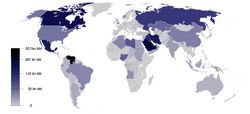
Petroleum, or crude oil, remains the most widely used resource globally, particularly in the United States, China, and Russia. Because of this heavy reliance, oil fields—especially in the Middle East—are frequent targets for sabotage, making energy security a critical priority.
To mitigate these risks, many nations maintain strategic petroleum reserves. The 31 members of the International Energy Agency (IEA) commit to holding a minimum of 90 days of oil imports and developing emergency response plans for supply shocks. The effectiveness of these reserves was evident during the 2007 Russia-Belarus energy dispute, which resulted in minimal disruption despite indirect export cuts to the European Union.
In response to "peak oil" theories and the need to lower demand, the U.S. Department of Defense and military have implemented significant cuts and sought more efficient oil usage methods.
Natural Gas Vulnerabilities
Reliance on imported natural gas often creates more immediate short-term vulnerabilities than petroleum. This was highlighted by the 2006 and 2009 gas conflicts between Russia and Ukraine, where European countries experienced sudden supply drops.
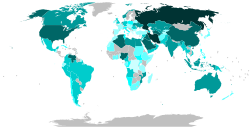
Natural gas consists primarily of methane and is produced via two methods: biogenic (from organisms in landfills and marshes) and thermogenic (from the anaerobic decay of organic matter deep underground). Currently, the U.S., Russia, and Saudi Arabia are the leading producers.
To safeguard supply, the European Union utilizes Regulation 2017/1938, which employs regional groupings, risk assessments, and a "solidarity mechanism" for crises. Examples of this cooperation include a 2020 bilateral agreement between Germany and Denmark and technical cooperation arrangements within the UK-EU Trade and Cooperation Agreement.
The Role of Nuclear Power
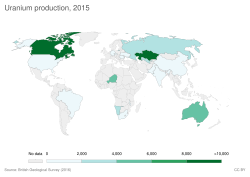
Nuclear power is utilized as a tool to reduce carbon emissions. Uranium, the primary fuel, is mined and enriched in several countries, with Canada (23% in 2007), Australia (21%), and Kazakhstan (16%) being major contributors. Because uranium fuel is manufactured well in advance of need, it offers a different security profile than fossil fuels.
Despite its viability, nuclear power remains controversial due to radioactive waste disposal and the risks associated with plant locations. In the United States, the most prominent application of nuclear power is found in the U.S. Navy's aircraft carriers and submarines, which have been exclusively nuclear-powered for decades.
Diversification through Renewable Energy
Renewable energy enhances security by diversifying electricity sources and reducing the "stranglehold" of any single fuel type. Local generation reduces reliance on centralized power distributors, which are often easier targets for attack. Furthermore, renewable resources are more evenly distributed globally than fossil fuels, potentially reducing geopolitical tensions.
Types of Renewable Solutions
- Geothermal: Uses heat from the Earth's outer core to generate electricity and provide direct heat for buildings and greenhouses, reducing the need for electric water heating.
- Hydroelectric: Uses gravity-fed water through dams to spin turbines, providing high-capacity energy on demand.
- Biofuels: Derived from sources like cellulose-rich switchgrass (efficient) or sugary corn (inefficient), and algae-derived synthetic crude. These can supplement energy demands and mitigate greenhouse gas emissions.
- Solar: Generally less vulnerable to enemy action than large-scale plants and can be repaired more quickly.
The growth of renewables has been rapid; global capacity increased by 295 gigawatts in 2021, with the EU adding 36 gigawatts. While the IEA predicted an additional 320 gigawatts of growth for 2022, it warned that progress might plateau in 2023 due to declines in hydropower expansion and stagnant wind additions.
| Energy Source | Primary Security Risk | Resilience Strategy |
|---|---|---|
| Petroleum | Sabotage and supply shocks | Strategic Petroleum Reserves (90-day minimum) |
| Natural Gas | Import dependence/Political disputes | Solidarity mechanisms and regional groupings |
| Nuclear | Waste disposal and safety risks | Advance manufacturing of fuel |
| Renewables | Intermittency and raw material costs | Decentralization and diverse source mix |
Frequently Asked Questions
What is the difference between energy independence and energy resilience?
Energy independence is the goal of not relying on foreign energy sources. Energy resilience is the ability to adjust to and recover from supply interruptions, focusing on infrastructure strength and source diversity rather than total isolation from global markets.
How does a smart grid improve energy security?
A smart grid uses digital technology to better manage electricity flow, allowing the grid to absorb large amounts of new demand—such as the mass charging of electric vehicles—without compromising stability.
Why is natural gas considered more vulnerable than petroleum?
Natural gas reliance often creates more immediate short-term vulnerabilities, as seen in the Russia-Ukraine disputes, where supply halts led to immediate drops in energy availability for several European countries.
How do biofuels contribute to energy security?
Biofuels provide a diversified alternative to petroleum products for transportation, reducing the reliance on finite fossil fuel resources and mitigating greenhouse gas emissions.
What are the security advantages of solar power?
Solar power is generally less vulnerable to enemy action compared to large, centralized fossil fuel or hydroelectric plants and can be repaired more rapidly if damaged.