Renewable Energy Adoption in Developing Nations
While renewable energy markets were traditionally dominated by North America, Japan, and Europe, a significant shift is occurring. Many developing countries are now implementing strategic public policies to foster the growth of sustainable energy technologies. From the biofuels industry in Brazil to decentralized solar and wind projects in India and China, these nations are reducing their reliance on imported fossil fuels and building more resilient energy infrastructures.
To achieve this transition, governments are utilizing tools such as feed-in tariffs (policy mechanisms that guarantee renewable energy producers a fixed price for the electricity they provide to the grid) and the Clean Development Mechanism (CDM). Established under the Kyoto Protocol, the CDM allows industrialized nations to invest in emission-reduction projects in developing countries as a cost-effective alternative to reducing emissions domestically.
Key Facts
- Brazil leads the world in biofuels, with sugarcane ethanol playing a massive role in its transport sector.
- The Philippines is the world's second-largest generator of geothermal energy.
- Kenya holds the largest installed geothermal capacity in Africa (200 MW) and leads in solar systems installed per capita.
- Costa Rica has achieved over 90% renewable energy output and once ran on 100% renewables for 75 consecutive days.
- Colombia is diversifying its energy matrix by expanding into non-conventional sources like wind and solar in regions like La Guajira.
Asia: Energy Security and Innovation
The Philippines
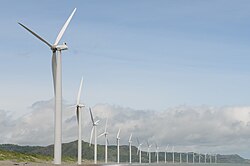
For the Philippines, renewable energy is a matter of national security. The country has historically struggled with high electricity rates—among the highest in Asia—due to a heavy dependence on imported petroleum and a lack of government subsidies. To combat this, the government passed the Renewable Energy Act of 2008, introducing a renewable portfolio standard and feed-in tariffs.
Currently, 30% of the Philippines' power generation comes from renewable sources. The nation was a Southeast Asian pioneer in large-scale wind and solar investments and aims to triple its renewable supply by 2030. Recent agreements in Oriental Mindoro target an output of 48 MW, though some investors have called for more consistency in tariff policies.
Africa: Geothermal and Solar Leadership
Kenya
Kenya has emerged as a continental leader in green energy. The Ministry of Energy and Petroleum adopted a feed-in tariff policy in 2008, later revised in 2010 to attract private investment. Kenya was the first African nation to utilize geothermal power and currently maintains a capacity of 200 MW, with a theoretical potential of 10 GW. Ethiopia is the only other African nation currently utilizing geothermal energy.
Wind energy has also seen massive growth, with projects like the Lake Turkana Wind Power project contributing to a total of over 6,844 GWh produced by 2022. Additionally, Kenya leads the world in solar power systems installed per capita. Many citizens opt for small, affordable PV (photovoltaic) systems—costing as little as $100—to power basic electronics rather than connecting to the expensive national grid.
Algeria
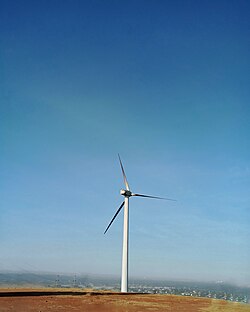
Algeria launched its National Development Programme for new and renewable energy and energy efficiency in 2011. The initial goal for the 2011-2013 period was to produce 22,000 MW of electricity from wind and solar, with 10,000 MW earmarked for export.
Latin America and the Caribbean: Diversification and Sustainability
Brazil
Brazil's energy transition began in earnest after the oil shocks of the 1970s, leading to a world-leading biofuels industry based on sugarcane ethanol. By 1985, 91% of cars produced in Brazil ran on ethanol. The introduction of flexible-fuel vehicles in 2003 and a mandatory E25 blend helped ethanol reach a 50% market share of the gasoline fleet by 2008. More recently, Brazil has expanded into wind farms in Bahia, Piau, and Paraiba, as well as solar plants in Paraiba.
Costa Rica and Colombia
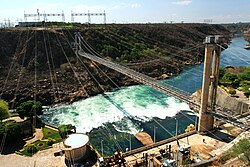
Costa Rica is a global leader in renewable usage, with over 90% of its energy coming from sustainable sources. The government is striving for total carbon neutrality, a goal highlighted in March 2015 when the country operated on 100% renewable energy for 75 straight days.
Colombia is currently diversifying its energy matrix to move beyond its historical reliance on hydroelectric power and fossil fuels. Leveraging its equatorial location for high solar radiation and strong wind resources in La Guajira, Colombia is implementing regulatory reforms to attract private investment. The government is also promoting "energetic communities" to bring renewable power to rural and marginalized areas, though challenges remain regarding grid modernization and infrastructure.
Regional Investment
International support has been pivotal in the region. In 2021, the European Investment Bank provided €315 million in loans to private developers for environmental sustainability. Furthermore, a $200 million collaboration with the GEF Latam Climate Solutions Fund targets small and medium-sized firms to support climate change mitigation and Sustainable Development Goals.
| Country | Primary Renewable Strength | Key Achievement/Goal |
|---|---|---|
| Philippines | Geothermal & Wind | World's 2nd largest geothermal generator |
| Kenya | Geothermal & Solar | Highest solar installations per capita |
| Brazil | Biofuels (Ethanol) | 85.4% of domestic electricity from renewables (2009) |
| Costa Rica | Wind & Mixed Renewables | Over 90% total energy output from renewables |
| Colombia | Hydro, Solar, & Wind | Transitioning to non-conventional renewables |
Frequently Asked Questions
What is a feed-in tariff?
A feed-in tariff is a government policy that encourages the adoption of renewable energy by offering long-term contracts to renewable energy producers, typically based on the cost of generation of their electricity.
Why is the Philippines focusing so heavily on renewables?
The Philippines faces high electricity costs and energy insecurity due to its dependence on imported nonrenewable fuels and the logistical challenges of transporting fuel across its archipelago.
How does Kenya lead in solar energy?
Kenya leads in the number of solar power systems installed per capita. Many residents use small, affordable PV panels to charge batteries for lighting and electronics, bypassing the high cost of grid connectivity.
What role does sugarcane play in Brazil's energy?
Brazil used its vast sugarcane farms to develop a leading biofuels industry. Sugarcane ethanol is used extensively in the transport sector, supported by flexible-fuel vehicles and mandatory fuel blends.
What are "energetic communities" in Colombia?
Energetic communities are local initiatives designed to expand the generation of renewable energy specifically within rural and marginalized areas to promote social inclusion and local development.