Hemp: The Versatile Powerhouse of Sustainable Industry
Hemp, the vernacular term for the plant Cannabis sativa, is one of the most versatile and rapidly growing plants on Earth. With a history of human use dating back 50,000 years—making it one of the first plants ever spun into usable fiber—hemp has evolved from an ancient necessity into a modern cornerstone of sustainable development.
While the term "hemp" is sometimes used generically to describe other fibrous plants like Manila, sisal, or New Zealand hemp, these have no botanical relation to Cannabis sativa. True industrial hemp is prized for its ability to be refined into a vast array of commercial items, ranging from biodegradable plastics and biofuels to high-protein food and sustainable building materials.
Key Facts
- Growth Rate: Along with bamboo, hemp is among the fastest-growing plants globally.
- Versatility: Used in everything from clothing and paper to car parts and construction.
- Sustainability: Capable of water and soil purification and effective weed control.
- Nutrition: Hemp seeds are rich in protein, omega-3, and omega-6 fatty acids.
- Global Production: France is Europe's largest producer as of 2022.
The Nutritional Profile of Hemp Seeds
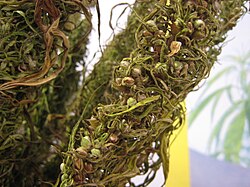
Hemp seeds are a potent nutritional resource, offering a dense concentration of energy, healthy fats, and essential minerals. They are particularly valued for their high protein content and balanced amino acid profile.
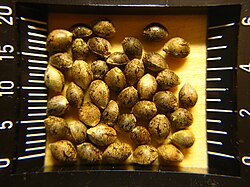
| Nutrient | Amount | % Daily Value (%DV) |
|---|---|---|
| Energy | 586 kcal | - |
| Protein | 31.56 g | - |
| Total Fat | 48.75 g | - |
| Omega-3 Fatty Acids | 9.301 g | - |
| Omega-6 Fatty Acids | 28.698 g | - |
| Manganese | - | 330% |
| Copper | - | 178% |
| Magnesium | - | 167% |
| Phosphorus | - | 132% |
| Thiamine (B1) | - | 106% |
Industrial Applications and Sustainability
The utility of hemp extends far beyond nutrition. Its strong fibers and durable stalks make it an ideal raw material for various industries.
Textiles and Cordage
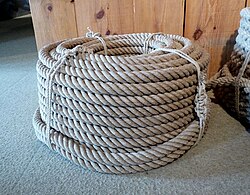
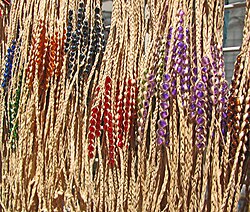
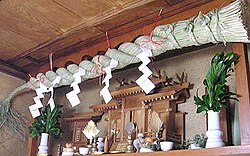
Hemp has a long history in the production of rope, clothing, and jewelry. Because of its strength, it is used for everything from heavy-duty shipping sacks and shoes to intricate bead jewelry and traditional ceremonial ropes.
Sustainable Construction
One of the most innovative uses of hemp is in the building sector. Hempcrete (a mixture of hemp shivs and lime) is used as a sustainable alternative to traditional concrete. It provides excellent thermal and acoustic insulation and is used in walls, blocks, and ceiling panels.
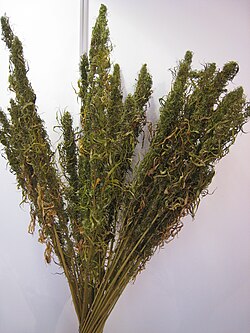
Advanced Materials and Biofuels
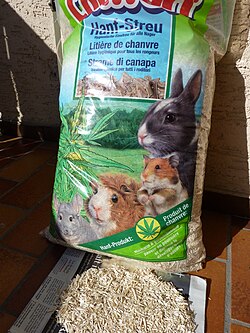
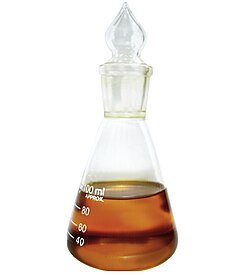
Hemp is increasingly used in the automotive industry to create composite materials, such as interior door panels and glove boxes, reducing the reliance on traditional plastics. Additionally, hemp can be processed into biodiesel, offering a renewable energy source with a lower environmental impact than petroleum.
Cultivation and Global Production
Hemp is grown worldwide, with significant production in Canada, France, the United States, Russia, and Ukraine. In France, the industry is particularly robust, utilizing advanced harvesting machinery to manage large-scale crops.
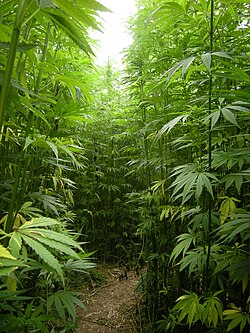
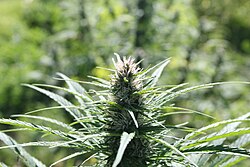
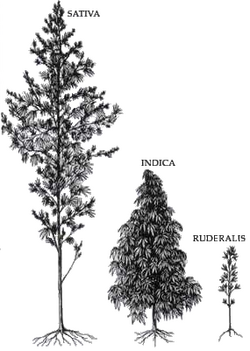
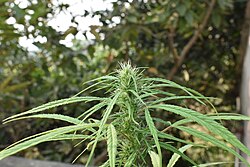
The cultivation process involves managing specific cultivars to optimize for either fiber or seed production. While the plant is generally hardy, farmers must still manage specific pests and diseases to ensure a high-quality yield.
A Complex History
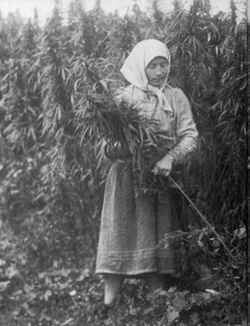
The history of hemp is marked by a dramatic shift in legal status. Once a vital crop for navies and early settlers, it became the subject of intense debate and prohibition throughout much of the 20th century due to its botanical relationship with drug-classified cannabis. In the United States, this legal tension persisted until significant shifts occurred around 2018, allowing for a resurgence in industrial farming.
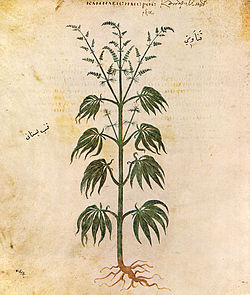
From ancient depictions in the 6th century to modern sustainable architecture, hemp continues to prove its value as a renewable resource.
Frequently Asked Questions
What is the difference between industrial hemp and marijuana?
While both come from the Cannabis sativa species, industrial hemp is grown specifically for its fiber and seeds and contains very low levels of THC, whereas medicinal or recreational cannabis is grown for its psychoactive properties.
What is hempcrete?
Hempcrete is a bio-composite building material made from the inner woody core of the hemp plant (shivs) mixed with a lime-based binder. It is used for insulation and non-load-bearing walls.
Is hemp sustainable for the environment?
Yes. Hemp is a fast-growing plant that can be used for phytoremediation (cleaning soil and water) and acts as an effective natural weed control, reducing the need for chemical herbicides.
What are the primary nutritional benefits of hemp seeds?
Hemp seeds are a complete protein source and are rich in essential fatty acids, particularly omega-3 and omega-6, as well as high levels of magnesium, phosphorus, and B vitamins.
Can hemp be used to make plastic?
Yes, hemp can be used to create biodegradable plastics and composite materials, which are currently used in some automobile interiors to replace traditional petroleum-based plastics.