The Majestic Prairies of North America: Ecology, History, and Preservation
When we think of the North American landscape, few images are as iconic as the vast, undulating seas of grass known as the prairies. These ecosystems are a vital part of the global temperate grasslands, savannas, and shrublands biome. Characterized by moderate rainfall and a temperate climate, prairies are dominated by grasses, herbs, and shrubs rather than trees.
While temperate grasslands exist worldwide—such as the Pampas in South America and the steppes of Eurasia—the term "prairie" (derived from the French word for "meadow") specifically refers to the interior plains of Canada, the United States, and Mexico. These regions stretch from the drier western expanses to the richer, wetter lands of the east.
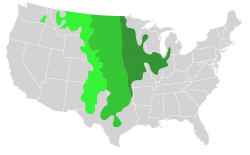
Key Facts
- Three Main Types: Prairies are categorized as tallgrass, mixed-grass, and shortgrass based on rainfall and soil quality.
- Glacial Origins: Most prairie soils were formed by glacial deposits (till) and wind-blown silt (loess) from the last glacial advance.
- Fire-Dependent: Regular fires, often started by native humans, prevent tree encroachment and maintain biodiversity.
- Bison Impact: Bison are keystone species that shape the land through grazing, wallowing, and nutrient-rich manure.
- Critical Loss: Less than 0.09% of the original tallgrass prairie remains today.
The Three Types of Prairie Ecosystems
The diversity of the prairie is largely determined by the amount of annual precipitation. As you move from west to east across the continent, the vegetation shifts in response to increasing moisture.
Tallgrass Prairie
Located in the east, these prairies are the wettest, receiving over 30 inches of rainfall per year. They feature the richest soils and the tallest vegetation.
Mixed-Grass Prairie
Occupying the central region, mixed-grass prairies receive an intermediate amount of rainfall, supporting a blend of both short and tall grass species.
Shortgrass Prairie
The westernmost prairies are the most arid, receiving only about 12 inches of rain annually. These areas are dominated by shorter, drought-resistant grasses.
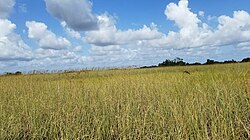
Beyond these broad categories, local terrain can create specialized environments. Wet prairies form in low-lying areas with poor drainage, while dry prairies occur on slopes or uplands. An example of a dry prairie is Palliser's Triangle in Southern Canada, which has become a major agricultural hub through modern irrigation.
How Prairies Were Formed
The foundation of the prairie was laid during the last glacial advance approximately 110,000 years ago. As glaciers moved south, they scraped the earth and leveled the terrain. When they retreated about 10,000 years ago, they left behind till—unstratified geologic material. Additionally, loess (fine, wind-deposited silt) contributed to the creation of some of the most fertile soils on Earth.
The evolution of the tallgrass prairie was further driven by grazing and fire. For thousands of years, native people used fire as a tool for hunting and safety. These fires cleared dead plant matter and prevented trees from shading out the sun. Because up to 75% of a prairie plant's biomass is underground—with roots reaching depths of 20 feet—the grasses could regrow quickly after a fire, while the vascular tissue of encroaching trees was destroyed.
Biodiversity and the Role of the Bison
Prairies are biological powerhouses. A single prairie can host 40 to 60 different grass species and over 300 species of flowering plants. For instance, the Konza Tallgrass Prairie in Kansas supports 250 native plant species, 208 bird species, and over 3,000 types of insects.
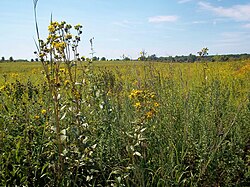
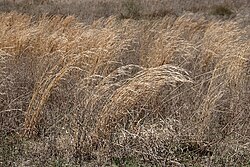
Dominant grasses include big bluestem, Indian grass, switchgrass, Canada wildrye, and side-oats grama.
The American bison is essential to this ecosystem. By grazing, trampling the earth, and wallowing, bison create a mosaic of habitats. Because they prefer grasses over flowering plants, they allow a wider variety of forbs (non-grass herbaceous plants) to thrive. Furthermore, bison manure provides vital nutrients and supports over 1,000 insect species, including specialized dung beetles.

Human Impact and the Dust Bowl
For much of history, humans used the prairies for nomadic hunting. However, European settlement brought a drastic change. Early settlers struggled with the dense prairie soil until 1837, when John Deere invented the steel moldboard plow, which could cut through tough roots and prepare the land for farming.
This technological leap led to the conversion of the tallgrass prairie into the "Corn Belt." However, removing the native grasses—which held the soil firmly in place—created a vulnerability. During severe droughts, this led to the Dust Bowl. Massive "black blizzards" of airborne dirt swept across 19 states, forcing 400,000 people to abandon the region and contributing to the Great Depression.
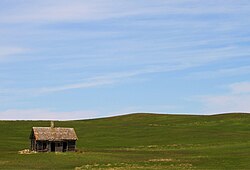
In Canada, the Southern prairies have been transformed into some of the world's most productive wheat and canola fields, though they remain prone to periodic drought.
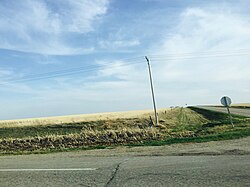
Modern Uses and Preservation
Today, the preservation of "virgin prairie" (land that has never been plowed) is a priority, as only 1% of the original tallgrass prairie remains in the U.S. Many areas are now "restored prairies," where native seeds have been replanted.
Beyond conservation, ecologists like David Tilman of the University of Minnesota are researching the use of prairie plants for biofuels. Research suggests that high-diversity mixtures of prairie plants (such as lupine and switchgrass) can remove carbon dioxide from the atmosphere and yield 51% more energy per acre than corn-based ethanol, all while growing on infertile soils that are unsuitable for food crops.
Physiography and Geological Features
The landscape of the prairies is a direct result of glacial activity. The region is characterized by till plains—vast, smooth sheets of glacial drift. Other notable features include:
- Moraines: Ridges of debris left by the edges of glaciers.
- Drumlins: Elliptical mounds of till that indicate the direction of ice movement.
- The Driftless Zone: An area in southwestern Wisconsin and adjacent states that escaped glaciation, remaining an "oasis" of hilly terrain.
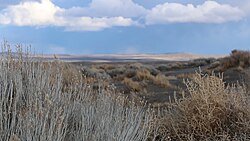
Glacial lakes also shaped the modern hydrology of the region. For example, the massive glacial Lake Agassiz once covered parts of Minnesota and North Dakota; its outlet, the river Warren, carved the channel now occupied by the Minnesota River.
Prairie Comparison Summary
| Prairie Type | Annual Rainfall | Soil Quality | Dominant Vegetation | Primary Location |
|---|---|---|---|---|
| Tallgrass | > 30 inches | Rich/Deep | Tall grasses, diverse forbs | Eastern Interior Plains |
| Mixed-Grass | Intermediate | Moderate | Blend of short and tall grasses | Central Interior Plains |
| Shortgrass | ~ 12 inches | Arid/Lower nutrient | Short, drought-resistant grasses | Western Interior Plains |
Frequently Asked Questions
Why is fire important for prairies?
Fire is essential because it removes dead plant matter and kills the vascular tissue of trees. Since prairie plants store most of their biomass underground in deep roots, they survive the fire and regrow, preventing trees from shading out the grasses and maintaining biodiversity.
What is the difference between a virgin prairie and a restored prairie?
A virgin prairie is a piece of land that has never been plowed or cultivated by humans. A restored prairie is land that was previously disturbed or farmed but has been reseeded with native plant species to mimic the original ecosystem.
How did the steel plow contribute to the Dust Bowl?
The steel plow allowed farmers to turn over the dense, root-rich prairie soil on a massive scale. By destroying the deep root systems of native grasses that held the soil in place, the land became vulnerable to wind erosion during severe droughts.
What are drumlins?
Drumlins are elliptical, teardrop-shaped mounds of glacial till. They are formed by the movement of ice sheets and their long axes point in the direction the glacier was moving.
Can prairie grasses be used for energy?
Yes. Research indicates that high-diversity mixtures of prairie plants can be used for biofuels. These plants can grow on infertile soil and are estimated to provide significantly more energy per acre than ethanol derived from corn.