Embryo Development: From Zygote to Complex Organism
The journey from a single cell to a complex, multicellular organism is one of the most intricate processes in biology. An embryo represents the early stage of development following fertilization, serving as the blueprint for all future growth. Whether in humans, animals, or plants, this stage is characterized by rapid cell division and the precise organization of tissues that will eventually form a living being.
Key Facts
- Origin: Development begins with a zygote, created by the fusion of gametes (egg and sperm).
- Germ Layers: Triploblastic animals develop three layers: ectoderm, mesoderm, and endoderm.
- Plant Embryos: All land plants are classified as embryophytes because they produce embryos.
- Medical Impact: Assisted reproductive technology (ART) has enabled millions of births and helps preserve endangered species.
- Conservation: Seed banks and "frozen zoos" use cryoconservation to protect biodiversity.
The Biological Process of Animal Development
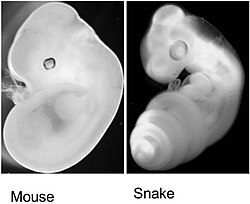
In animals, the process begins with the creation of a zygote. This single cell undergoes a series of recognizable stages: cleavage, blastula, gastrulation, and organogenesis. In mammals, a specific stage called the blastocyst must hatch before it can implant into the endometrial lining of the womb.
Once implanted, the embryo undergoes gastrulation, a phase where cells migrate and fold to form germinal layers. Animals are categorized by the number of layers they produce: diploblastic animals (such as Cnidaria) form two layers, while triploblastic animals (including humans and flatworms) form three.
These three layers—the ectoderm, mesoderm, and endoderm—are the origin of all mature tissues:
- Ectoderm: Develops into the nervous system and the epidermis of the skin.
- Mesoderm: Forms the muscles, bones, vascular system, and connective tissues.
- Endoderm: Gives rise to the respiratory system and the epithelium and organs of the digestive system.
Following gastrulation, the embryo enters neurulation to form the nervous system, and finally organogenesis, where molecular interactions prompt cells to differentiate into specific organs. For instance, neurogenesis is the process where ectoderm cells specialize into the brain, spinal cord, and peripheral nerves.
Plant Embryos and Embryophytes
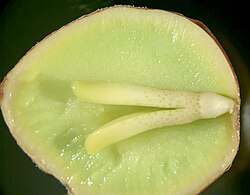
Embryonic development is not exclusive to animals. All land plants, collectively known as embryophytes (or Embryophyta), produce embryos. This characteristic distinguishes them from algae, which do not.
In plants that produce spores rather than seeds, such as ferns and bryophytes, the embryo begins inside the archegonium of a parental gametophyte. The embryo often features a "foot"—a bulbous mass of cells that maintains close contact with the archegonium wall to receive essential nutrition from the parent.
Research, Technology, and Conservation
Modern science has leveraged embryonic development through Assisted Reproductive Technology (ART). Techniques such as in vitro fertilization (IVF) have resulted in an estimated one million human births in the United States between 1987 and 2015. Other advancements include preimplantation genetic diagnosis (PGD), used to identify serious genetic abnormalities like aneuploidy.
Beyond human medicine, ART is used in agriculture to increase offspring yield—such as increasing cow production from one calf per year to 9–12. It is also a critical tool for saving endangered species, including cheetahs, sturgeons, and Northern white rhinos, through methods like interspecies somatic cell nuclear transfer (iSCNT).
To prevent total extinction, scientists use cryoconservation, storing embryos, seeds, and gametes at ultra-low temperatures. Notable examples include the Svalbard Global Seed Vault in Norway, which stores over a million samples at −18 °C (0 °F), and various "frozen zoos" in the UK, UAE, and USA.
Summary of Embryonic Development
| Stage/Type | Key Characteristic | Resulting Structures |
|---|---|---|
| Zygote | Single cell from gamete fusion | Multicellular embryo |
| Ectoderm | Outer germ layer | Skin, Nervous System |
| Mesoderm | Middle germ layer | Muscles, Bone, Blood vessels |
| Endoderm | Inner germ layer | Digestive and Respiratory systems |
| Embryophytes | Land plants | Seed or spore-based embryos |
Frequently Asked Questions
What is the difference between diploblastic and triploblastic animals?
Diploblastic animals develop only two germ layers during gastrulation, whereas triploblastic animals develop three: the ectoderm, mesoderm, and endoderm.
What is organogenesis?
Organogenesis is the stage of embryonic development where cells from the germ layers differentiate into specific cell types to form the various organs and tissues of the body.
How do plant embryos differ from animal embryos?
While both involve early multicellular development, plant embryos (embryophytes) often develop attached to a parental gametophyte, sometimes using a "foot" structure for nutrition.
What is the purpose of a seed bank or frozen zoo?
These facilities use cryoconservation to store reproductive materials at very low temperatures, preserving genetic biodiversity to protect species from mass extinction or global emergencies.
Can embryos be found in the fossil record?
Yes, fossilized animal embryos have been discovered dating back to the Precambrian and Cambrian periods, and even dinosaur embryos have been found.