Vulnerable Species: Defining the Risk of Extinction
In the effort to protect global biodiversity, the International Union for Conservation of Nature (IUCN) categorizes species based on their risk of extinction. A vulnerable species is one that is considered threatened with extinction unless the specific circumstances threatening its survival and reproduction improve. While not yet classified as Endangered or Critically Endangered, these species face a high risk of extinction in the wild within the medium-term future.
The primary driver of vulnerability is typically habitat loss or the total destruction of a species' natural home. Because these species are closely monitored, their status can shift as threats increase. Interestingly, some species listed as vulnerable in the wild may remain common in captivity, such as the military macaw.
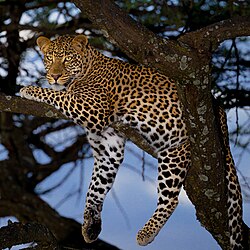
Key Facts
- Definition: A species facing a high risk of extinction in the wild in the medium-term.
- Primary Cause: Habitat loss and destruction are the leading drivers of vulnerability.
- Growth in Numbers: Between 1998 and 2012, the number of vulnerable animals rose by 85% and plants by 111%.
- Conservation Method: Cryoconservation (the freezing of genetic material) is used specifically to protect vulnerable livestock breeds.
The Rising Trend of Vulnerability
Data indicates a significant increase in the number of species falling into the vulnerable category. In 1998, there were 2,815 animals and 3,222 plants classified as vulnerable. By 2012, these numbers climbed to 5,196 animals and 6,789 plants. This represents an annual increase of approximately 4% for animals and 5% for plants over a 14-year period.
IUCN Criteria for Vulnerability
To ensure scientific accuracy, the IUCN uses five specific criteria (A through E) to determine if a taxon (a taxonomic group of one or more species) is vulnerable.
A) Population Reduction
A species may be listed if there is a population reduction of ≥ 50% over the last 10 years or three generations (whichever is longer), provided the causes are understood, ceased, and reversible. This is measured via direct observation, abundance indices, habitat quality decline, exploitation levels, or the impact of pathogens, pollutants, and invasive species. Alternatively, a projected reduction of at least 30% within the next 10 years or three generations also meets this criterion.
B) Geographic Range
Vulnerability is assigned if the extent of occurrence is less than 20,000 km² or the area of occupancy is less than 2,000 km², combined with any two of the following:
- Severe fragmentation or existence in 10 or fewer locations.
- A continuing decline in range, habitat quality, number of locations, or mature individuals.
- Extreme fluctuations in any of these metrics.
C) Small Population Size
A population is considered vulnerable if it numbers fewer than 10,000 mature individuals and exhibits either a continuing decline of at least 10% within 10 years (or three generations) or a decline in population structure, such as being severely fragmented (no subpopulation exceeding 1,000 mature individuals) or existing as a single subpopulation.
D) Very Small or Restricted Populations
This applies to populations with fewer than 1,000 mature individuals or those with an acute restriction in area of occupancy (typically less than 20 km²) or number of locations (typically less than five). Such species are highly susceptible to human activities or stochastic (random) events, making them prone to becoming Critically Endangered or Extinct quickly.
E) Quantitative Analysis
A species is classified as vulnerable if a quantitative analysis shows the probability of extinction in the wild is at least 10% within 100 years.
Examples of Vulnerable Species
Across the globe, various animals currently meet these criteria, ranging from large mammals to specialized insects and birds.
| Common Name | Scientific Name | Region |
|---|---|---|
| Hyacinth Macaw | Anodorhynchus hyacinthinus | Amazon Rainforest |
| Hippopotamus | Hippopotamus amphibius | Africa |
| Andean Condor | Vultur gryphus | Andes Mountains |
| American Crocodile | Crocodylus acutus | The Americas |
| Snares Penguin | Eudyptes robustus | New Zealand |
| Mexican Red-knee Tarantula | Brachypelma hamorii | Mexico |
| Hippopus hippopus | Hippopus hippopus | South Pacific |
Other notable examples include the mountain zebra, the gaur, the black crowned crane, and the blue crane.
Frequently Asked Questions
What is the difference between vulnerable and endangered?
A vulnerable species faces a high risk of extinction in the medium-term future, whereas endangered species face a higher, more immediate risk. Vulnerable is the least critical of the three primary "threatened" categories used by the IUCN.
What is the main cause of a species becoming vulnerable?
The most common cause is habitat loss or the destruction of the environment the species relies on for survival and reproduction.
How does cryoconservation help vulnerable species?
Cryoconservation involves the preservation of animal genetic resources at ultra-low temperatures. This practice is specifically enforced to conserve the genetic diversity of vulnerable livestock breeds.
Can a species be vulnerable and common at the same time?
Yes, in specific contexts. Some species may be classified as vulnerable in the wild due to habitat threats but remain common in captive environments, such as the military macaw.
How often is the vulnerability status updated?
The IUCN monitors vulnerable habitats and species continuously; as circumstances improve or worsen, a species may be reclassified into a different category.