East Asian Mahayana Buddhism: Traditions, History, and Schools
East Asian Buddhism, often referred to as East Asian Mahayana, represents the largest body of Buddhist traditions in the world, accounting for more than half of the global Buddhist population. This collective term encompasses the diverse schools of Mahayana Buddhism that flourished across China, Japan, Korea, and Vietnam. These traditions are unified by their reliance on the Chinese Buddhist canon and texts written in Literary Buddhist Chinese.
The development of these schools was deeply influenced by the sinicization of Buddhist thought during the Han and Song dynasties. As Buddhism spread via the Silk Road trade networks and the missionary efforts of Indian and Asian Buddhists, it integrated with local philosophies, creating a unique religious landscape that blends spiritual practice with East Asian cultural values.
Key Facts
- Demographics: East Asian Buddhists constitute over 50% of the world's total Buddhist population.
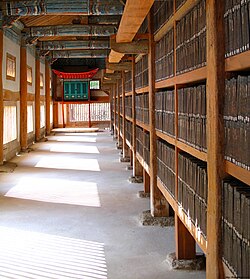
- Core Texts: The traditions rely on the Chinese Buddhist canon, including the historic woodblock printed editions and the modern Taishō Tripiṭaka.
- Cultural Integration: Practices often incorporate East Asian values such as Confucian filial piety and ancestor veneration.
- Major Schools: Influential traditions include Chan (Zen), Pure Land, Nichiren, and Tiantai.
- Monastic Rules: Most follow the Dharmaguptaka Vinaya, though some Japanese sects allow clergy to marry.
The Evolution of Buddhist Traditions
Unlike some traditions that prioritize philosophical treatises (known as shastras), East Asian Buddhism places a significant emphasis on the direct study of Mahayana sutras (sacred discourses). This scholarly focus helped give rise to various specialized schools that interpreted these texts through unique lenses.
The Chinese Foundation
Buddhism entered China during the Han dynasty, facilitated by vibrant cultural exchanges along the Silk Road and maritime trade routes. Early efforts to translate the Tripitaka (the complete canon of Buddhist scriptures) from Sanskrit and Central Asian languages into Chinese allowed for the emergence of foundational schools like the Huayan and Tiantai. By the 8th century, the Chan school emerged, eventually becoming one of the most influential traditions in the entire region.
Regional Developments: Japan, Korea, and Vietnam
The spread of Buddhism across East Asia followed distinct historical paths in each nation:
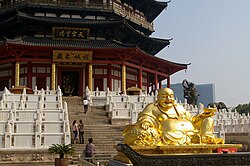
- Japan: Introduced via China and Korea in the 5th and 6th centuries, Buddhism gained imperial support during the Nara period. While the Meiji Restoration saw a period of repression where Buddhism was viewed as "foreign," the religion recovered post-World War II and remains prominent through schools like Zen, Shingon, and Nichiren.
- Korea: Introduced from China in the 4th century, Buddhism coexisted with indigenous shamanism. Despite periods of suppression in favor of Neo-Confucianism during the Joseon period, the Seon school (the Korean form of Chan) remains a dominant force today.
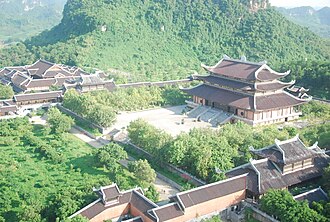
- Vietnam: Buddhism likely arrived between the 2nd century BCE and 2nd century CE. Luy Lâu served as a major Buddhist center in Southeast Asia. Vietnamese Buddhism is characterized by its integration with Taoism and local folk religions, exemplified by the Trúc Lâm thiền school.
Major Schools and Lineages
While many traditions have evolved, merged, or become defunct, scholars have identified several key lineages that shaped the religious fabric of East Asia. These schools are not always rigid; many communities experience significant intermixing between different traditions.
| School Name | Key Characteristics / Focus | Regional Variations |
|---|---|---|
| Chan / Zen | Focus on sitting meditation (zuòchán) | Seon (Korea), Thiền (Vietnam), Zen (Japan) |
| Pure Land | Devotional practice and rebirth | Jōdo-shū and Jōdo Shinshū (Japan) |
| Tiantai / Lotus | Focus on the Lotus Sutra | Tendai (Japan) |
| Zhenyan / Shingon | Esoteric Buddhism and mantras | Shingon (Japan) |
| Huayan | Study of the Avatamsaka Sutra | N/A |
Frequently Asked Questions
What is the difference between Chan and Zen?
They are essentially the same tradition. Chan is the Chinese name for the school of meditation, which spread to Japan where it became known as Zen, to Korea as Seon, and to Vietnam as Thiền.
Why do some Japanese Buddhist clergy marry?
While most East Asian monastics follow the Dharmaguptaka Vinaya (monastic code), some Japanese sects departed from this tradition during the Meiji Restoration due to government campaigns that forced changes in Buddhist practices.
How did Buddhism reach East Asia?
The religion spread primarily through the Silk Road trade networks and maritime routes, carried by generations of Indian and Asian missionaries and traders.
What is the Chinese Buddhist Canon?
It is a vast collection of sacred scriptures. The collection evolved over a millennium, with the first woodblock printed edition appearing in 983. A major modern version is the Taishō Tripiṭaka, published in Japan in the early 20th century.
How does East Asian Buddhism differ from Tibetan Buddhism?
A primary difference lies in the approach to texts: East Asian traditions emphasize the study of Mahayana sutras, whereas Tibetan Buddhism often approaches sutras through the study of philosophical treatises known as shastras.