Dominican Republic: History, Culture, and Geography of the Caribbean Heart
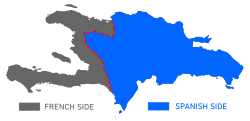
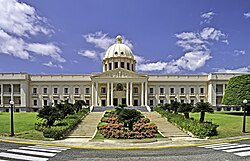
The Dominican Republic (República Dominicana) is a vibrant nation occupying the eastern two-thirds of the island of Hispaniola in the Caribbean. Known for its diverse landscapes, rich colonial history, and rhythmic culture, it serves as a pivotal hub of activity in the region. From the bustling streets of its capital, Santo Domingo, to the serene beaches of Punta Cana, the country blends a complex political past with a dynamic modern economy.
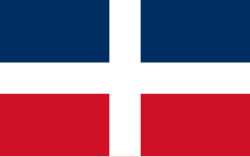
The nation is defined by its motto, "Dios, Patria, Libertad" (God, Homeland, Freedom), and is home to a population that reflects a deep melting pot of European, African, and indigenous influences.
Key Facts
- Capital: Santo Domingo, the largest city in the country.
- Official Language: Spanish.
- Government: Unitary presidential republic.
- Currency: Dominican peso (DOP).
- Population: Estimated at 11,532,151 (2025).
- Geography: Shares the island of Hispaniola with Haiti.
Historical Evolution
Pre-Columbian and Colonial Eras
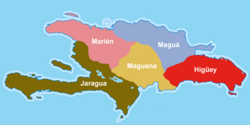
Before European arrival, the island was divided into five caciquedoms (territories ruled by a cacique, or local chief). This indigenous structure was dismantled following European colonization, which established the region as one of the first colonial footholds in the Americas.
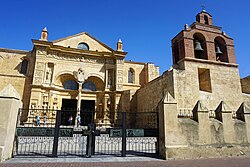
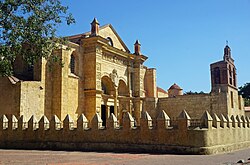
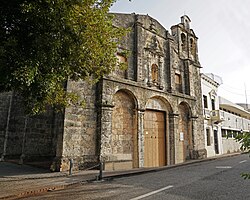
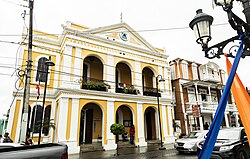
The city of Santo Domingo became a center of Spanish power, featuring the Catedral Santa María La Menor, the oldest cathedral built in the Americas, constructed between 1514 and 1541.
The Struggle for Independence
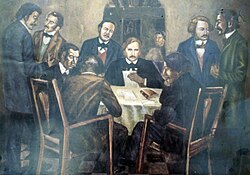
The path to sovereignty was turbulent. After a period of "Ephemeral Independence" (1821–1822), the country experienced a long period of Haitian occupation. In 1838, Juan Pablo Duarte and other patriots formed La Trinitaria, a secret society dedicated to undermining the occupation and establishing a free state.
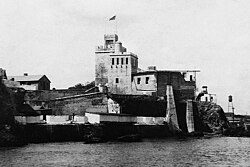
The First Republic was established in 1844, followed by the Restoration Republic (1865–1899) after a brief return to Spanish rule. The late 19th and early 20th centuries were marked by political instability and foreign intervention, including a United States occupation from 1916 to 1924.
The Trujillo Era and Modernity
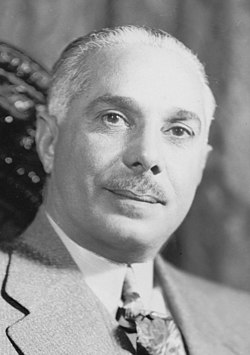
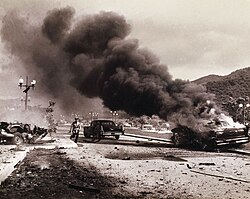
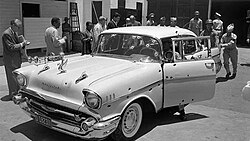
From 1930 to 1961, the nation was under the tight grip of Rafael Trujillo, who imposed a brutal 31-year dictatorship. His regime ended with his assassination on May 30, 1961, paving the way for a transition toward democracy.
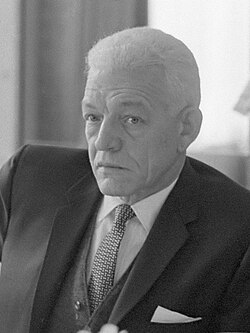
Following Trujillo's fall, Juan Bosch became the first democratically elected president. Since 1966, the country has operated under its Fourth Republic, evolving into a stable presidential republic led currently by President Luis Abinader.
Geography and Administration
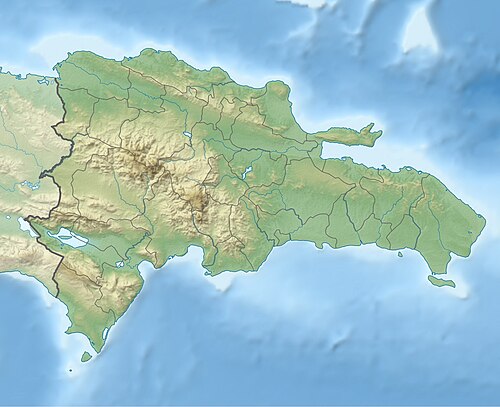
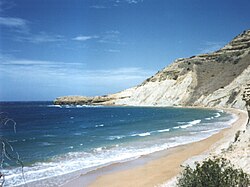
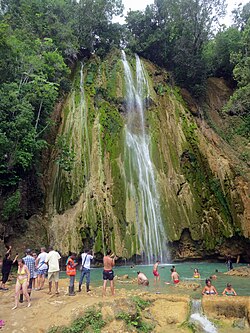
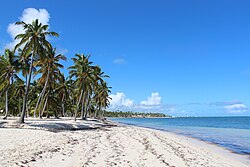
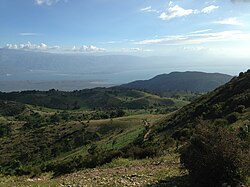
The Dominican Republic features a varied topography, ranging from the semi-arid plains of Pedernales to the tropical rainforests of Samaná. The coastline is equally diverse, from the rugged shores of Monte Cristi to the world-famous white sands of Punta Cana.
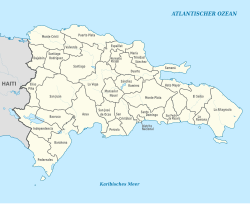
The country is divided into numerous provinces, each with its own administrative center and unique coat of arms, reflecting local identity and history.
Major Urban Centers
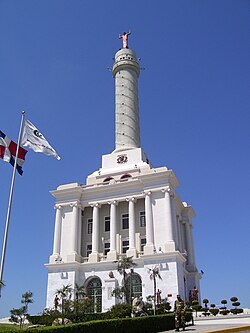
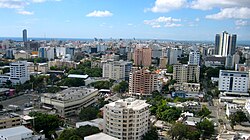
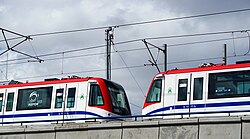
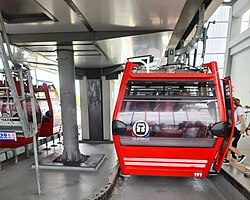
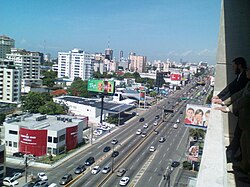
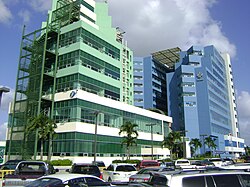
Santo Domingo serves as the political and economic heart of the nation, featuring modern infrastructure like the Santo Domingo Metro and the Teleférico (cable car system). Santiago de los Caballeros stands as the second-largest city, serving as a vital northern hub.
Demographics and Society
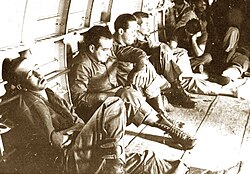
The population is predominantly mixed (71.72%), with significant White (18.70%) and Black (7.45%) minorities. Spanish is the primary language, spoken by 98% of the population, though French and English are present in smaller numbers.
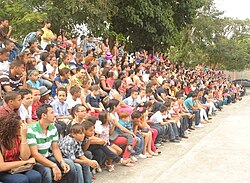
Religion plays a central role in social life, with Christianity (primarily Catholicism) being the dominant faith for approximately 74.6% of the population.
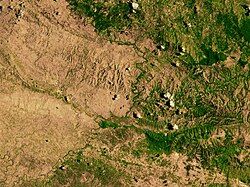
The border with Haiti remains a significant geopolitical and environmental focal point. Satellite imagery highlights a stark contrast in forest cover between the two nations, reflecting different land-use patterns.
Culture and Economy
Arts and Music
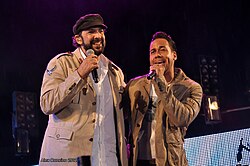
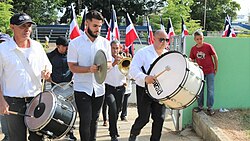
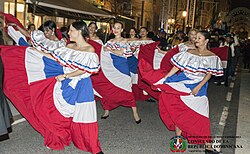
The Dominican Republic is globally recognized for its music. Merengue and Bachata are the two most iconic genres, blending African and European influences to create rhythms that are now enjoyed worldwide.
Cuisine and Sport
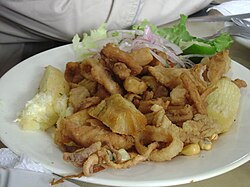
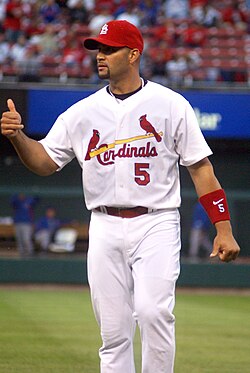
The gastronomy is a blend of Spanish and Caribbean flavors. A notable example is chicharrón mixto, a dish derived from the Andalusia region of Spain. In sports, baseball is the national passion, producing world-class athletes such as Albert Pujols.
Economic Indicators
The economy is diversified, with tourism being a primary driver. The country has seen significant growth in its GDP (PPP), estimated at $353.732 billion for 2026, supported by a strong service sector and agricultural exports.
| Category | Detail |
|---|---|
| Total Area | 48,671 km² |
| Estimated Population (2025) | 11,532,151 |
| GDP (Nominal 2026 Est.) | $138.340 Billion |
| HDI (2023) | 0.776 (High) |
| Main Cities | Santo Domingo, Santiago, La Vega |
Frequently Asked Questions


What is the official language of the Dominican Republic?
The official language is Spanish, which is spoken by the vast majority of the population across both urban and rural areas.
Who was Rafael Trujillo?
Rafael Trujillo was a dictator who ruled the Dominican Republic for 31 years, from 1930 to 1961, maintaining a strict and oppressive regime until his assassination.
What are the most popular music genres in the country?
Merengue and Bachata are the most popular native music genres, both of which have gained international fame.
How is the Dominican Republic governed?
It is a unitary presidential republic with a bicameral legislature consisting of a Senate (upper house) and a Chamber of Deputies (lower house).
What is the significance of Santo Domingo?
Santo Domingo is the capital and largest city, and it is historically significant as the site of the first cathedral built in the Americas.