Disa Orchids: A Comprehensive Look at the African Genus
The genus Disa represents a diverse and fascinating group of orchids primarily native to Africa. Named by P.J. Bergius in 1767 after a heroine from Swedish legend, these plants are celebrated for their striking appearances and complex biological adaptations. From the high mountains of Ethiopia to the unique landscapes of South Africa and Madagascar, Disa species have evolved to thrive in a variety of ecological niches.
Key Facts
- Type Species: Disa uniflora.
- Distribution: Predominantly Africa, including Madagascar and Réunion.
- Classification: Part of the family Orchidaceae, subfamily Orchidoideae, and subtribe Disinae.
- Seed Adaptation: Some species utilize hydrochory (dispersal by water) and do not require mycorrhizal fungi for germination.
- Phylogeny: Recent molecular studies have merged the genus Schizodium into Disa.
Botanical Classification and Phylogeny
Disa belongs to the order Asparagales and the family Orchidaceae. Its taxonomic history has been refined through molecular phylogeny—the study of evolutionary relationships using genetic data. Early comparisons of nuclear ribosomal sequences showed that other genera, such as Herschelia and Monadenia, were nested within a paraphyletic Disa (a group that does not include all descendants of a common ancestor).
A significant shift occurred in the early 2000s when researchers discovered that Schizodium, a genus of six species endemic to South Africa, was actually nested within Disa. Consequently, by 2015, Schizodium was officially placed in synonymy under Disa. The subtribe Disinae currently includes Pachites, Disa, and Huttonaea, though this remains a holding classification until further studies clarify their exact relationships.
Seed Morphology and Germination
One of the most distinctive features of the genus is the variation in seed size, which often correlates with the plant's habitat. Botanists split the genus into two primary groups based on these characteristics:
- The Disa uniflora group: These species possess relatively large, balloon-shaped seeds (up to 1.5 mm). They typically grow along stream sides and are among the few orchids that do not rely on mycorrhizal fungi (symbiotic fungi that usually provide nutrients to orchid seeds) for germination. This is considered an adaptation to hydrochory, where seeds are dispersed by water.
- The Small-Seed group: These species have seeds smaller than 0.7 mm. This group includes various summer and non-summer rainfall species, such as Disa cornuta, which also exhibit ready germination.
Pollination and Evolution
Disa orchids are prime examples of convergent evolution, where unrelated species evolve similar traits to solve the same problem—in this case, attracting specific pollinators. Their pollination systems are highly varied, ranging from butterfly-pollinated species using Batesian mimicry (where a harmless species mimics a dangerous or rewarding one) to unique systems where pollinaria are transferred via the feet of birds.
Species Diversity and Hybrids
The genus is vast, with numerous species recognized across the African continent. While many are endemic to the South Western Cape Province of South Africa, others stretch as far north as Ethiopia and Yemen.
| Species | Primary Distribution | Notes |
|---|---|---|
| Disa uniflora | South Africa (SW Cape) | Type species; large seeds |
| Disa afra | S. Congo to S. Africa, Madagascar | Wide distribution |
| Disa pulchella | Ethiopia, Yemen | Northern range |
| Disa bracteata | South Africa (SW & S Cape) | Naturalized in Australia |
| Disa borbonica | Réunion | Island endemic |
In addition to natural species, several hybrids have been documented, often resulting from crosses between species like D. caulescens, D. uniflora, and D. tripetaloides. Examples include Disa × brendae and Disa Kewensis.
Visual Gallery of Disa Species
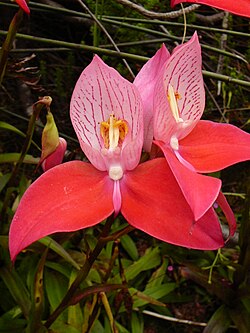
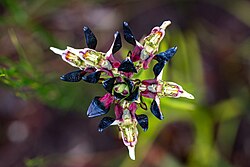
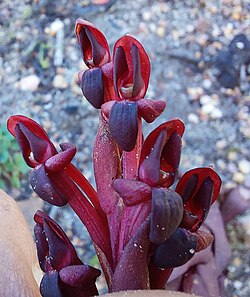
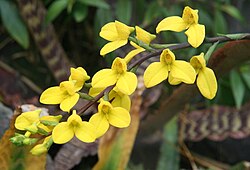
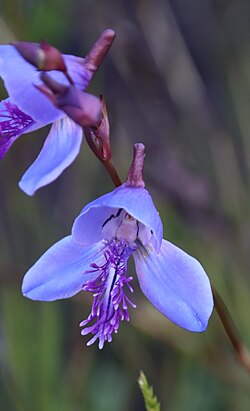
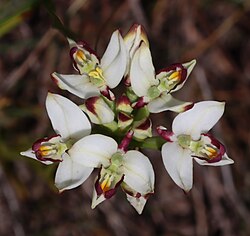
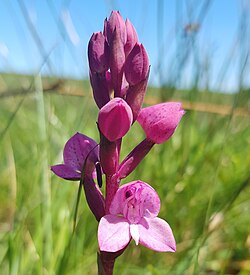
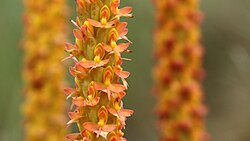
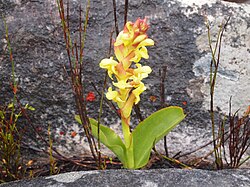
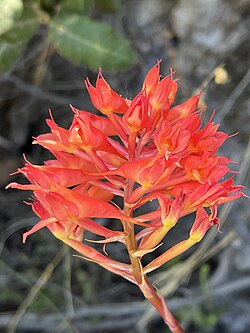
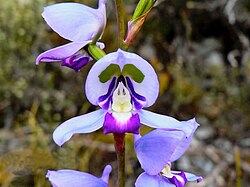
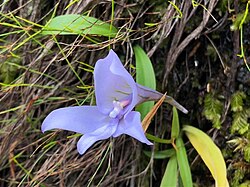
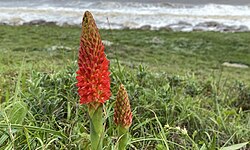
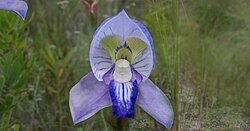
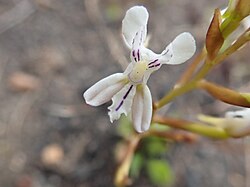
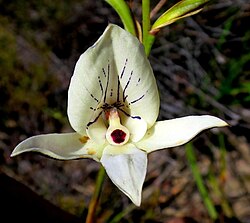
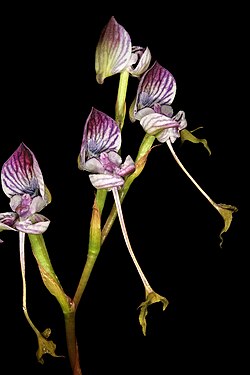
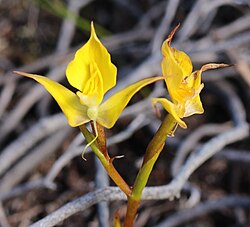
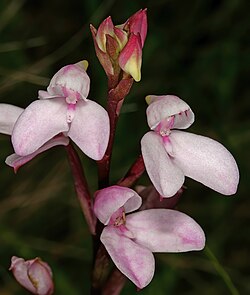
The visual diversity of the genus is immense, with colors ranging from deep reds to bright yellows.
Frequently Asked Questions
What is the type species of the Disa genus?
The type species is Disa uniflora, first described by P.J. Bergius.
How do Disa seeds differ from most other orchids?
While most orchids require mycorrhizal fungi to germinate, species in the Disa uniflora group have larger seeds and can germinate without these fungi, an adaptation suited for water-based dispersal (hydrochory).
What happened to the genus Schizodium?
Molecular phylogenetic studies revealed that Schizodium was nested within Disa, leading taxonomists to merge Schizodium into the Disa genus.
Where are Disa orchids primarily found?
They are primarily found in Africa, with a high concentration of species in South Africa's Cape Province, as well as occurrences in Madagascar, Réunion, and parts of Tropical Africa reaching as far as Yemen.
What is the significance of the name Disa?
The genus was named by P.J. Bergius in 1767 after Disa, a heroine from a Swedish legend.